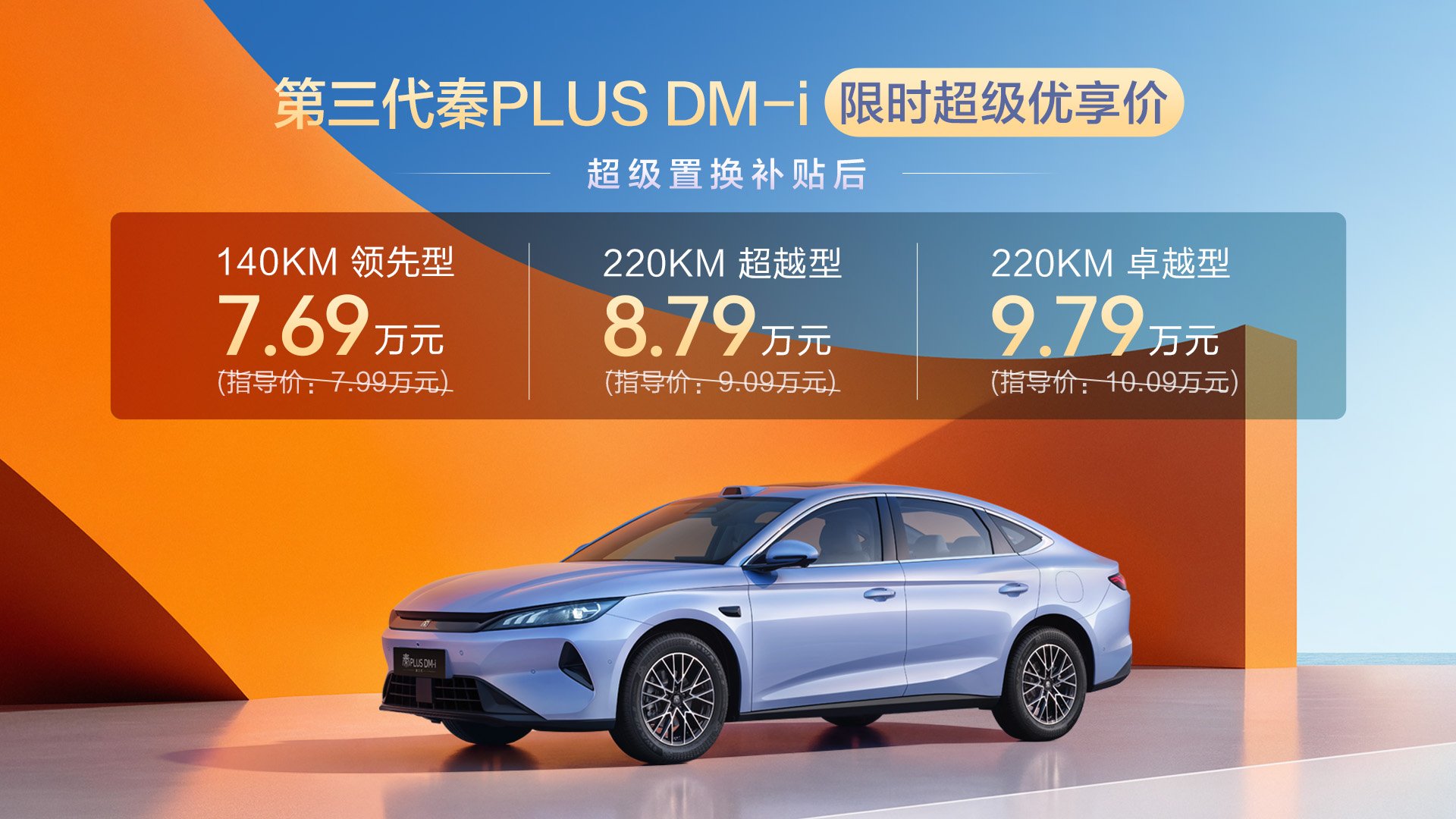
The BYD third-generation Qin PLUS DM-i has officially launched, and this generational change brings quite significant updates. The new car is offered in 3 configurations, with official guide prices ranging from 79,900 to 100,900 yuan, and limited-time reference prices from 76,900 to 97,900 yuan. Compared with the previous generation, the third-generation Qin PLUS DM-i not only adopts a completely new exterior, but its body dimensions have also increased noticeably, with the wheelbase extended by 82 mm to 2800 mm. At the same time, the new car is equipped with fifth-generation DM hybrid technology, offering a maximum CLTC pure electric range of 220 km and an official combined range of up to 2290 km with a full tank and full charge, while the price remains controlled at around 100,000 yuan.
Let's start with range, which is also one of the more important changes of the third-generation Qin PLUS DM-i. The new car offers two CLTC pure electric range versions, 140 km and 220 km. Among them, the 140KM Leading trim has a limited-time reference price of 76,900 yuan, the 220KM Beyond trim is 87,900 yuan, and the 220KM Excellence trim is 97,900 yuan. The three versions correspond to different range and configuration needs.
The entry-level version is equipped with a 16.2 kWh lithium iron phosphate Blade battery, offering 140 km of CLTC pure electric range. For urban commuters traveling 30 to 40 kilometers round trip each day, the pure electric driving range is already enough to cover several days of commuting. If home charging is available, short trips can rely more on electric drive.
The 220 km version, meanwhile, is equipped with a 24.3 kWh Blade battery, 8.1 kWh more than the entry version, and offers 80 km more CLTC pure electric range. For consumers with longer commutes or frequent cross-city trips on weekends, the larger-battery version can reduce the number of charging sessions in daily use.
Charging specifications also differ. The 140 km version has a maximum DC charging power of 23 kW, while the 220 km version increases it to 48 kW. All three models support 6.6 kW vehicle-to-load discharging, which can supply power for lighting, electric kettles, and other appliances within the power limit during weekend camping.
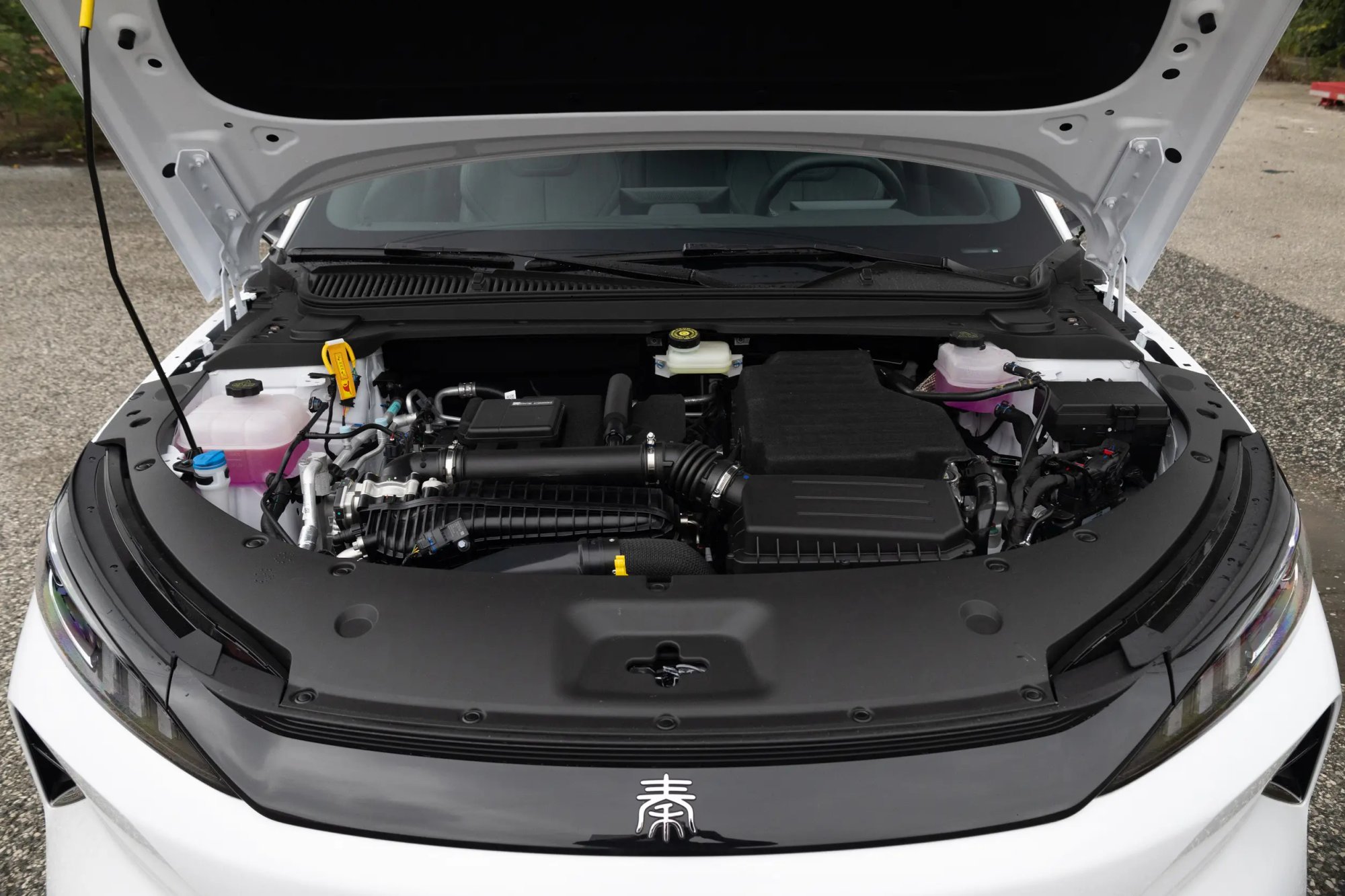
In terms of powertrain, the third-generation Qin PLUS DM-i continues to use a plug-in hybrid system composed of a 1.5L naturally aspirated engine and an electric motor. The engine produces a maximum power of 74 kW, maximum horsepower of 101 Ps, and peak torque of 126 N·m; the drive motor produces a maximum power of 120 kW, maximum horsepower of 163 Ps, and peak torque of 210 N·m, matched with an E-CVT continuously variable transmission.
In terms of fuel consumption, the new car's minimum NEDC fuel consumption with depleted battery is 2.58 L/100 km, with the 140 km version at 2.58 L/100 km and the 220 km version at 2.72 L/100 km. The fuel tank capacity is 65 L, and combined with the fifth-generation DM hybrid system, the official combined range with a full tank and full charge reaches up to 2290 km. Rather than simply increasing fuel tank capacity, this range improvement also involves energy consumption control of the hybrid system.
Changes in body dimensions are also quite noticeable. The third-generation Qin PLUS DM-i measures 4840/1900/1498 mm in length, width, and height, with a wheelbase of 2800 mm. Compared with the previous generation, the body length has increased by 60 mm, the width by 63 mm, and the wheelbase has grown from 2718 mm to 2800 mm, an increase of a full 82 mm.
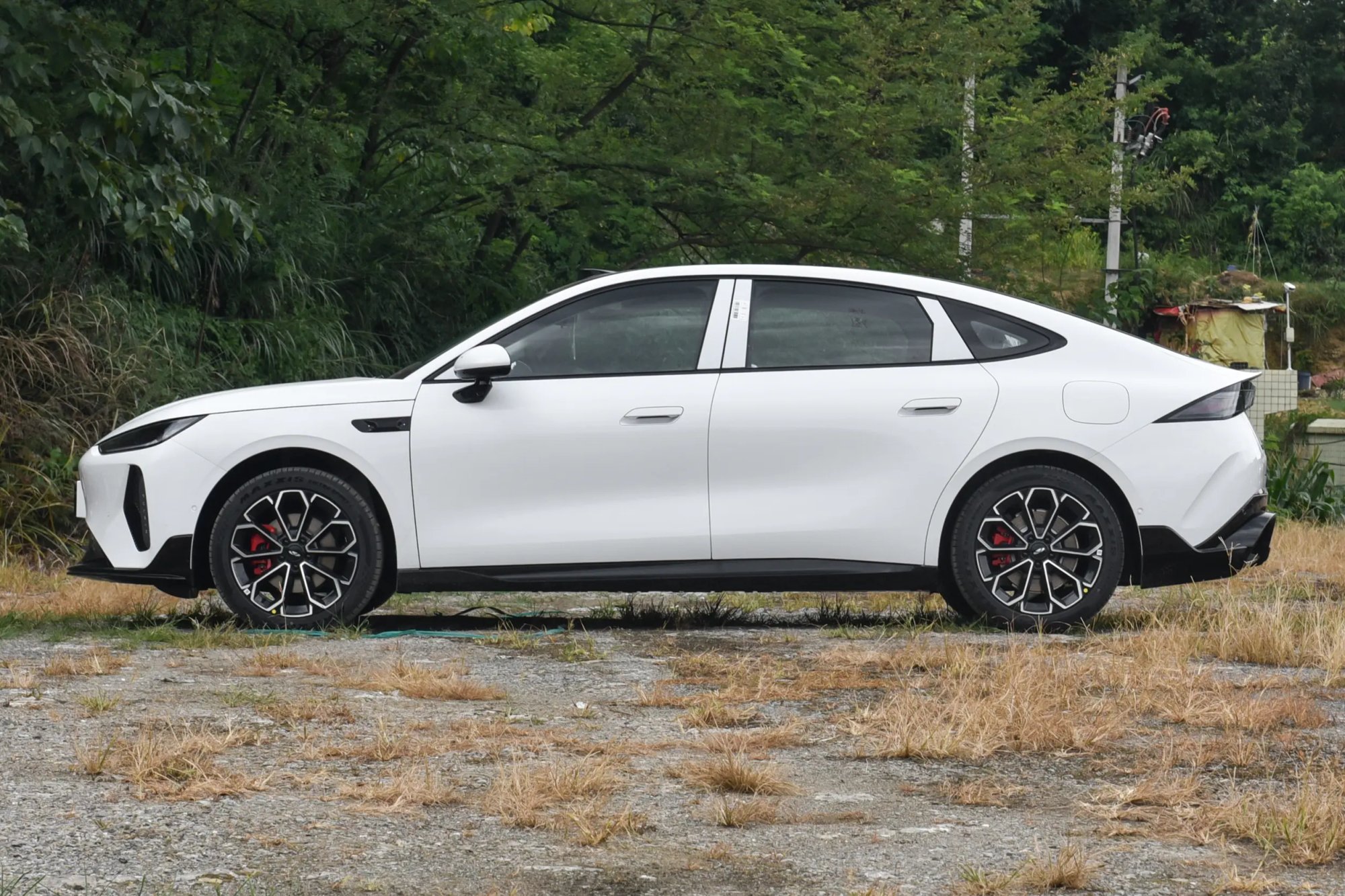
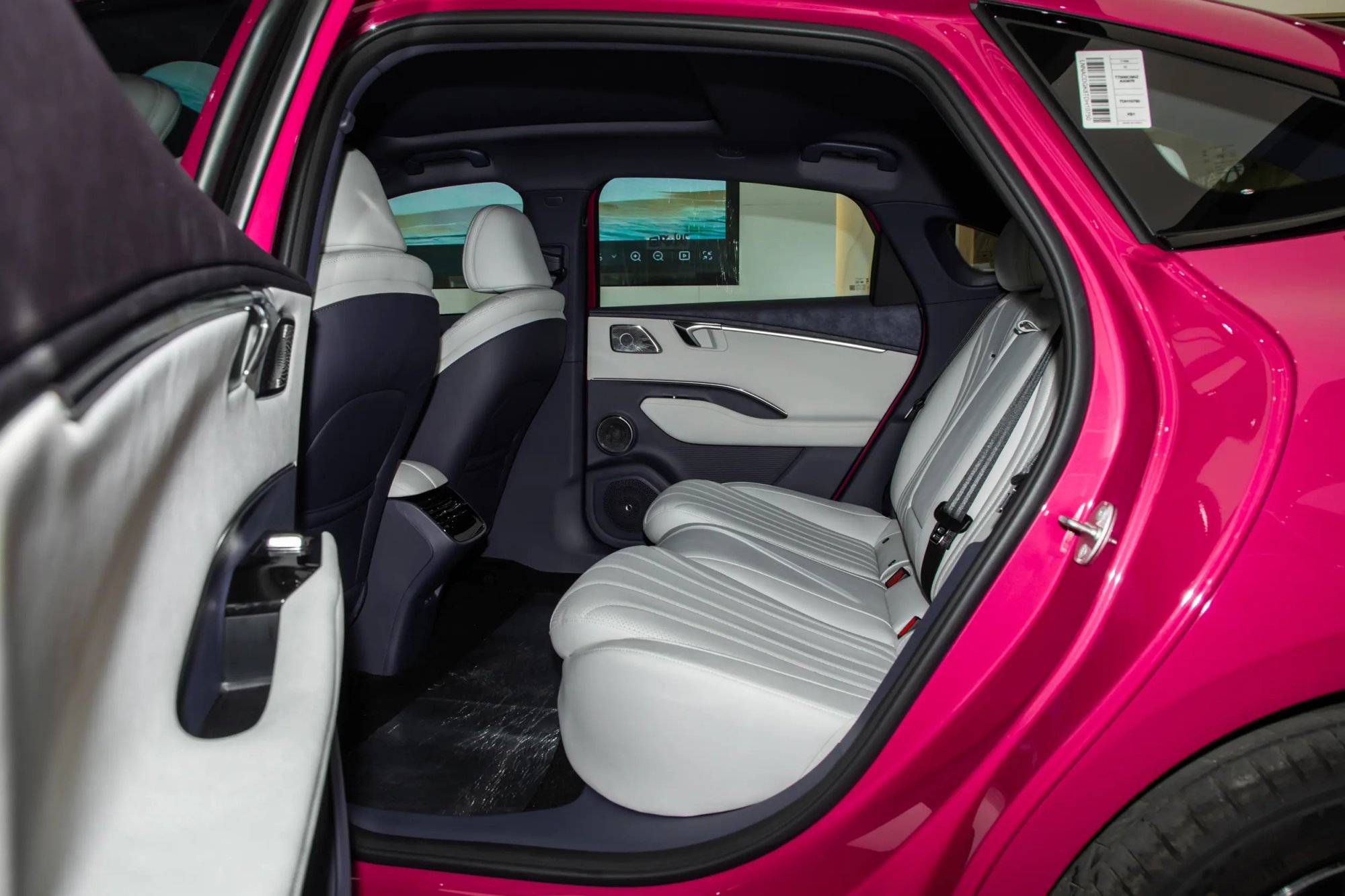
For a family sedan, a longer wheelbase means more room for arranging the front and rear seats, especially rear legroom and the distance between the front and rear rows, allowing for more generous design space. At the same time, the 1900 mm body width also helps improve lateral interior space, which is an advantage for families that often carry three rear passengers.
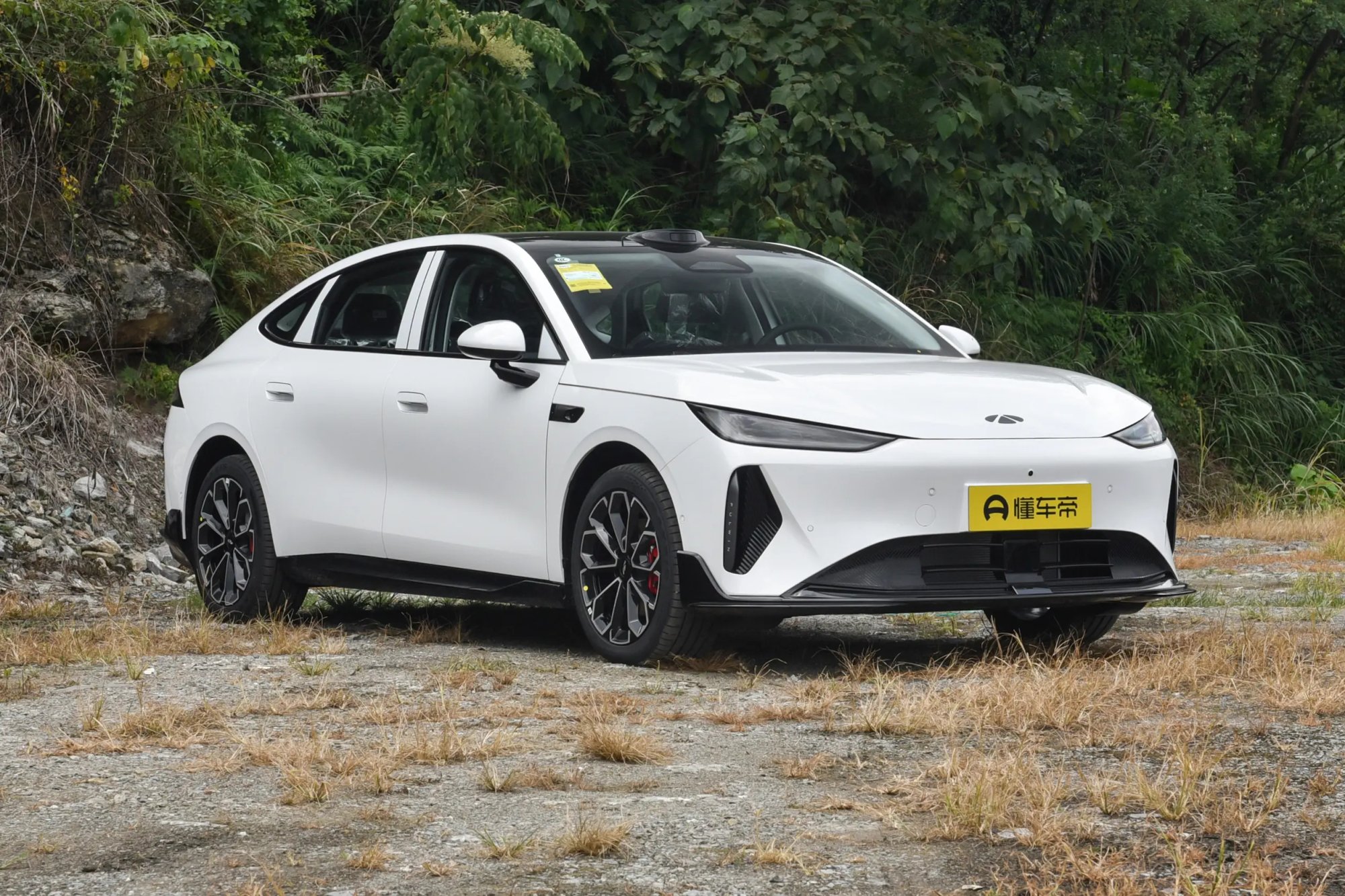
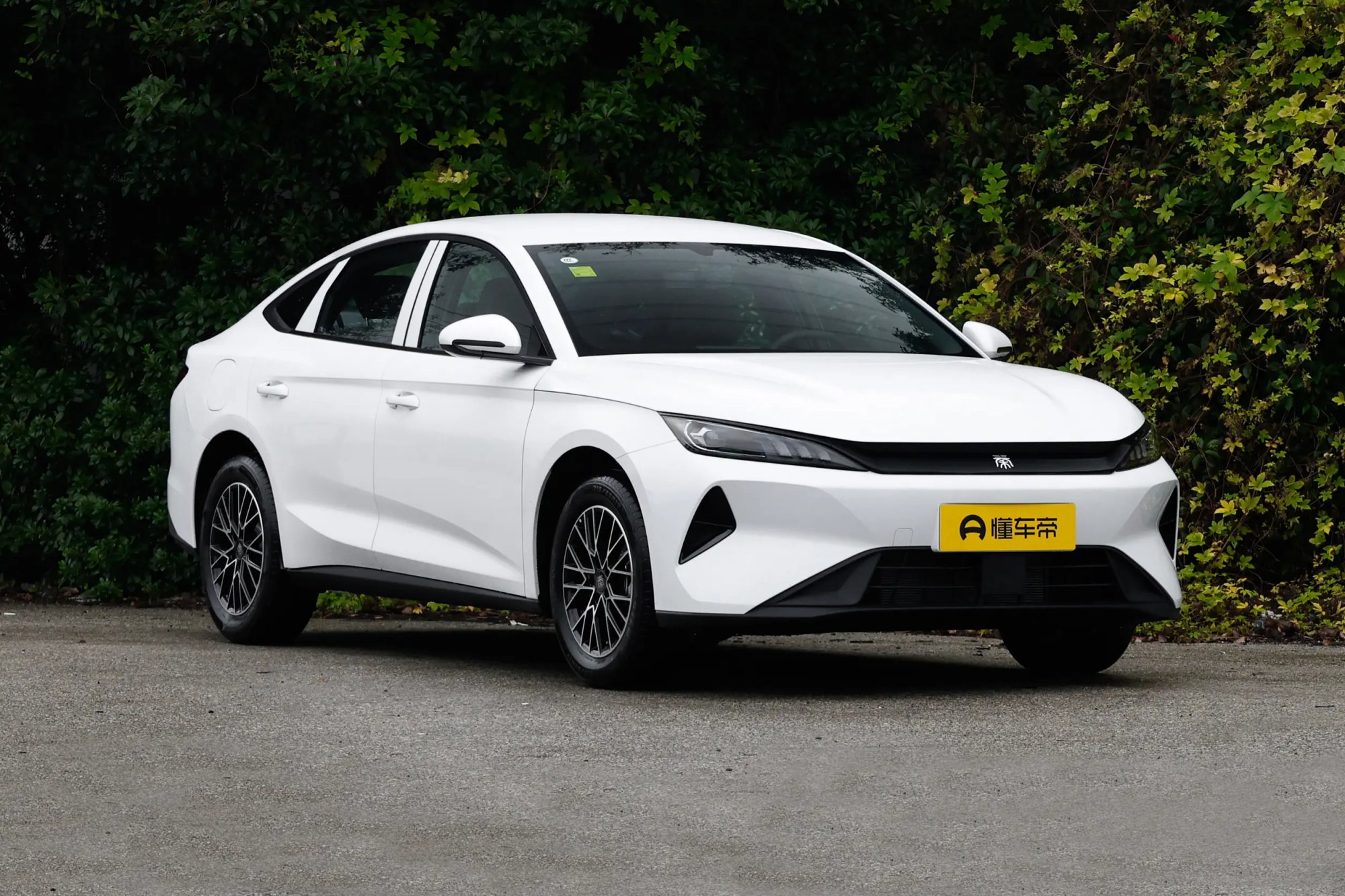
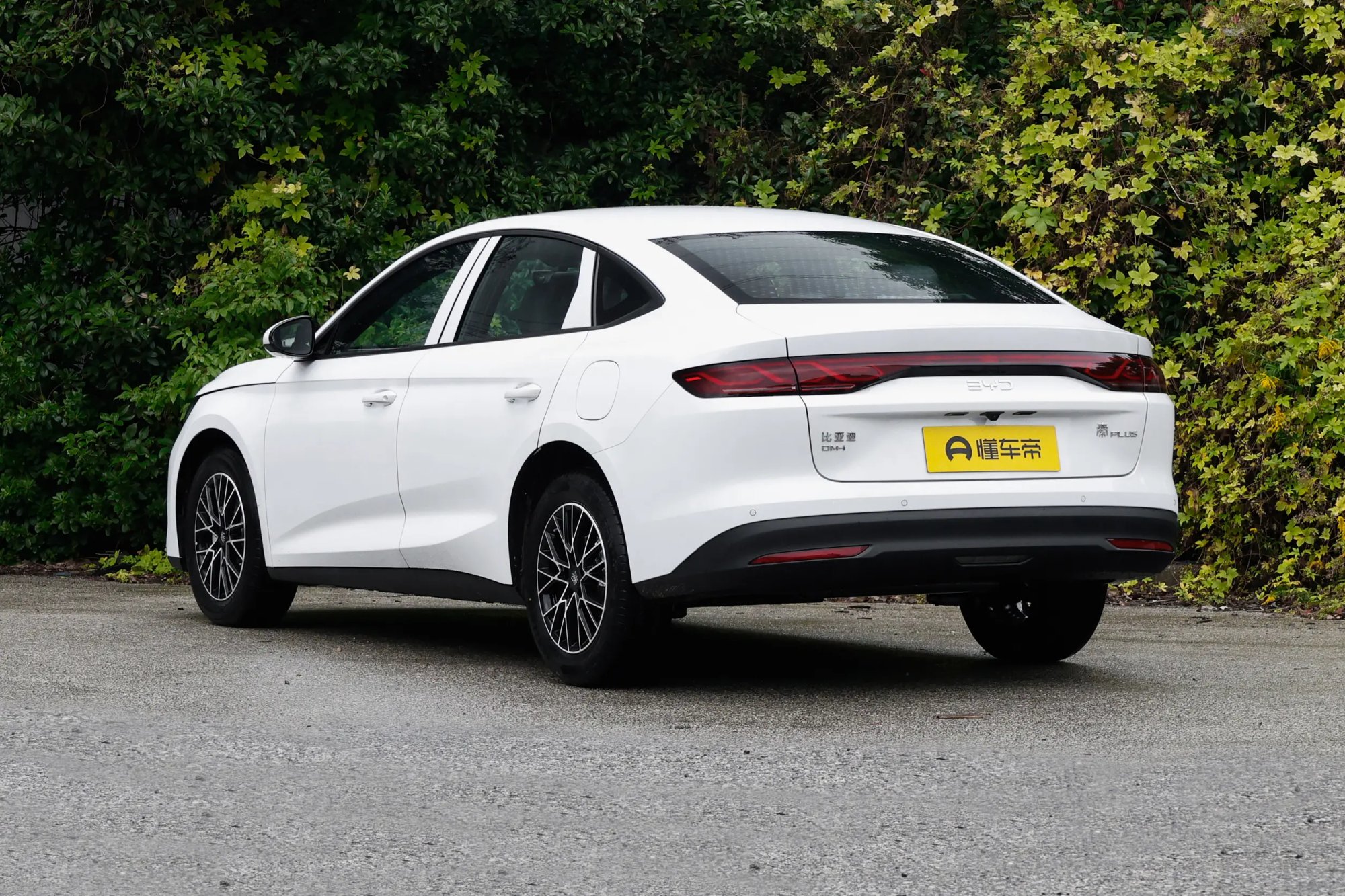
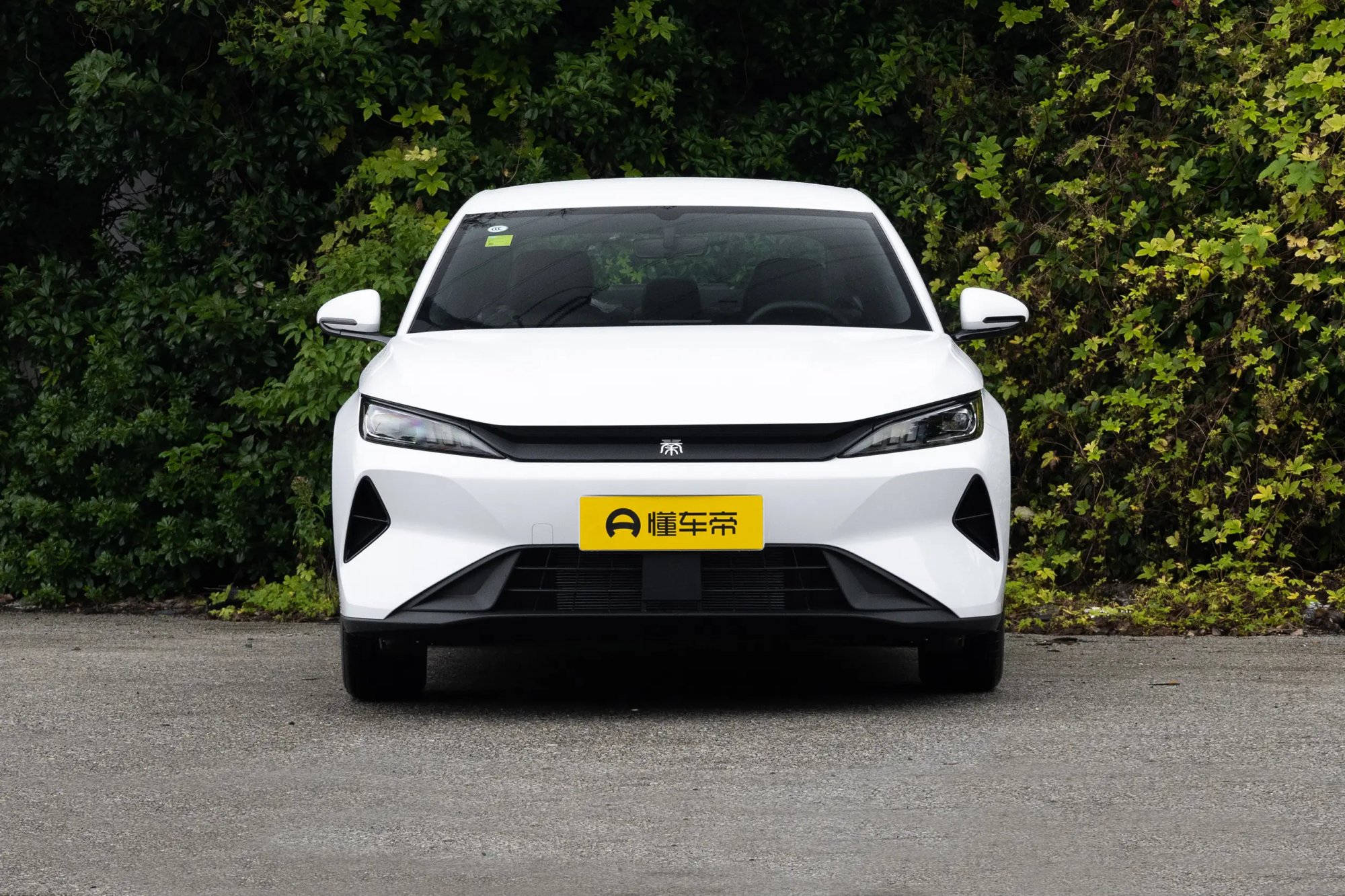
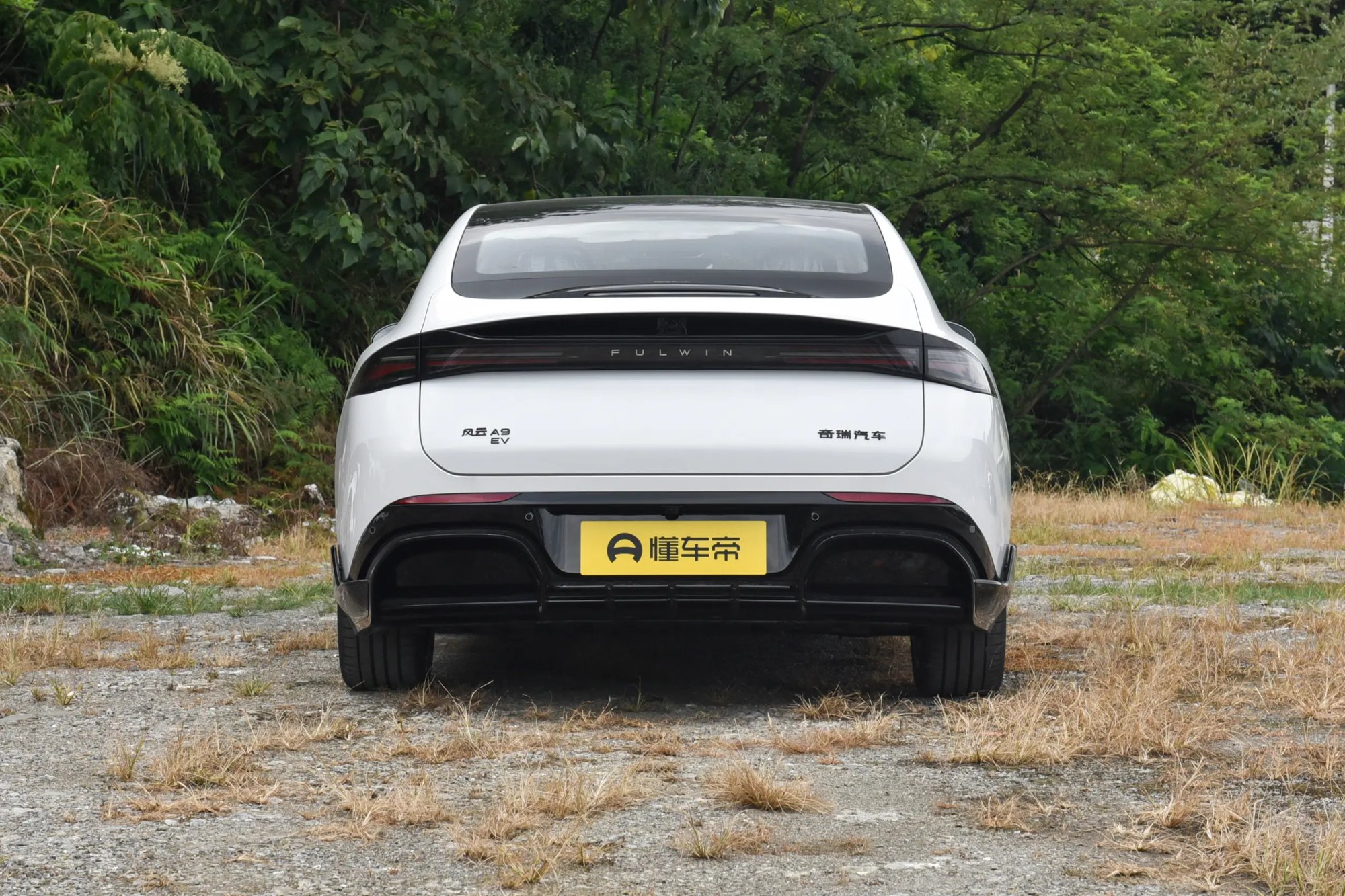
In terms of exterior design, the third-generation Qin PLUS DM-i adopts BYD Dynasty series' new design language. The front face drops the previous large intake grille in favor of a cleaner new-energy vehicle design, with slim headlights paired with lower air-guide styling that makes the front end look lower and more planted. The side profile uses relatively smooth lines and retains traditional door handles, while the rear continues the full-width Chinese knot taillight design.
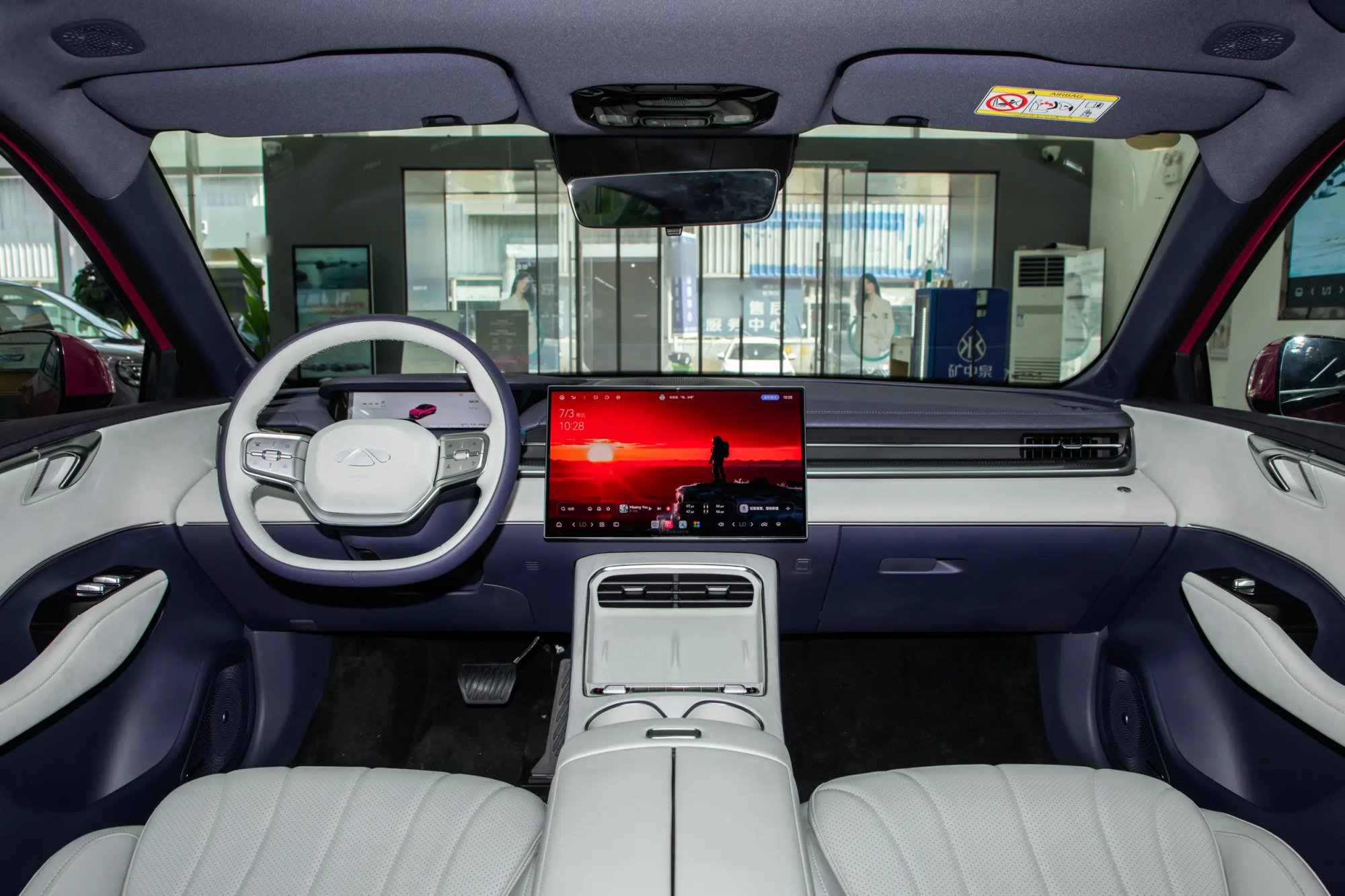
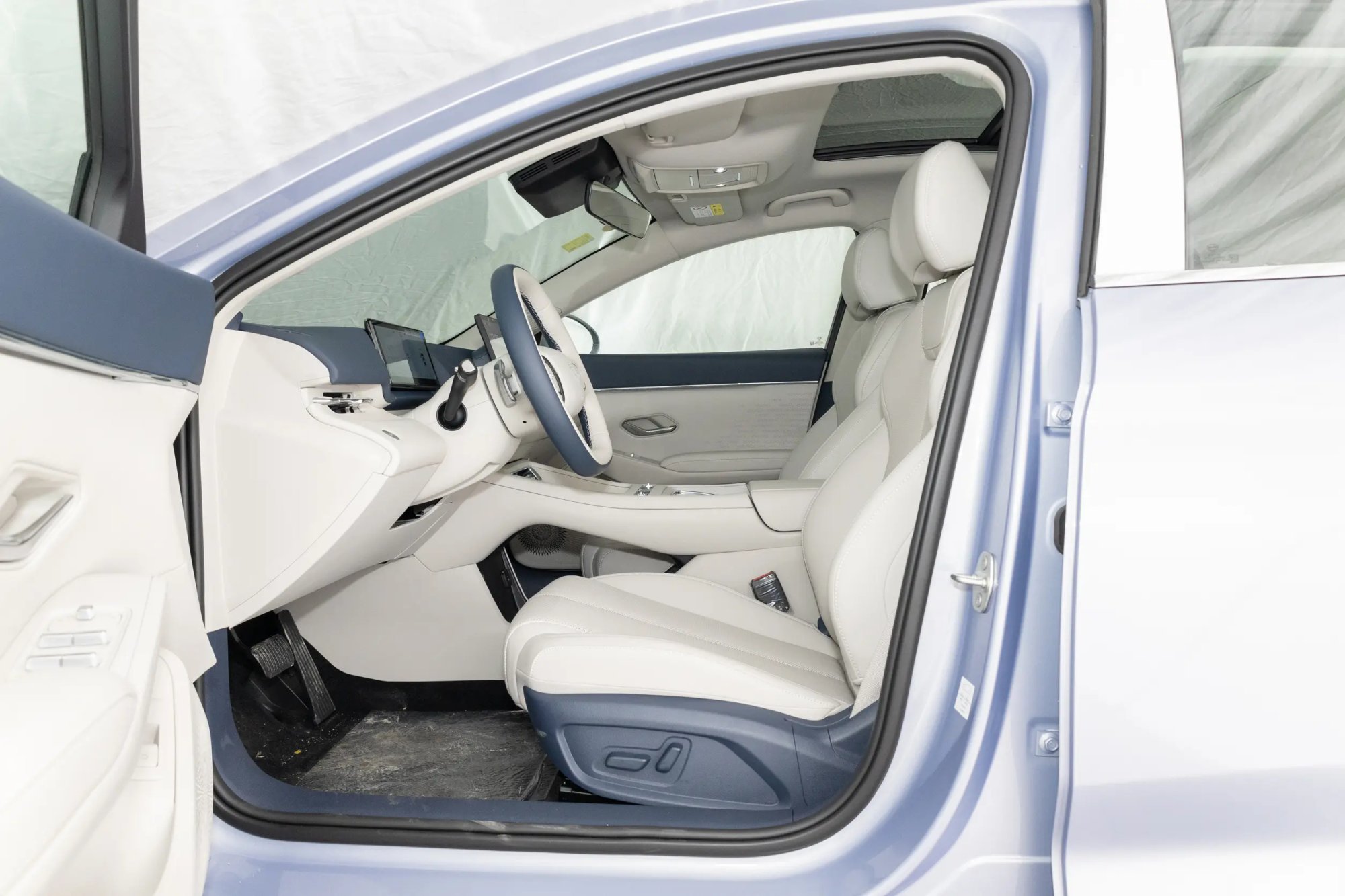
The interior has also been redesigned. The new car features a floating central control screen, paired with a digital instrument cluster and a two-spoke multi-function steering wheel, and the overall center console layout is cleaner. The 140KM Leading and 220KM Beyond trims are equipped with a 10.1-inch central screen, while the 220KM Excellence trim is upgraded to 12.8 inches.
In terms of configuration, the new car offers keyless entry, keyless start, automatic air conditioning, rear air vents, NFC/RFID car key, and the DiLink intelligent connectivity system across the lineup. For daily family use, these functions cover needs such as getting in and out of the car, air conditioning control, and basic infotainment operation.
Starting from the 220KM Beyond trim, the new car also adds front seat heating and ventilation. The top 220KM Excellence trim further provides a panoramic sunroof, 50W wireless phone charging, more phone connectivity functions, and L2-level assisted driving, with upgrades mainly focused on intelligence and comfort.
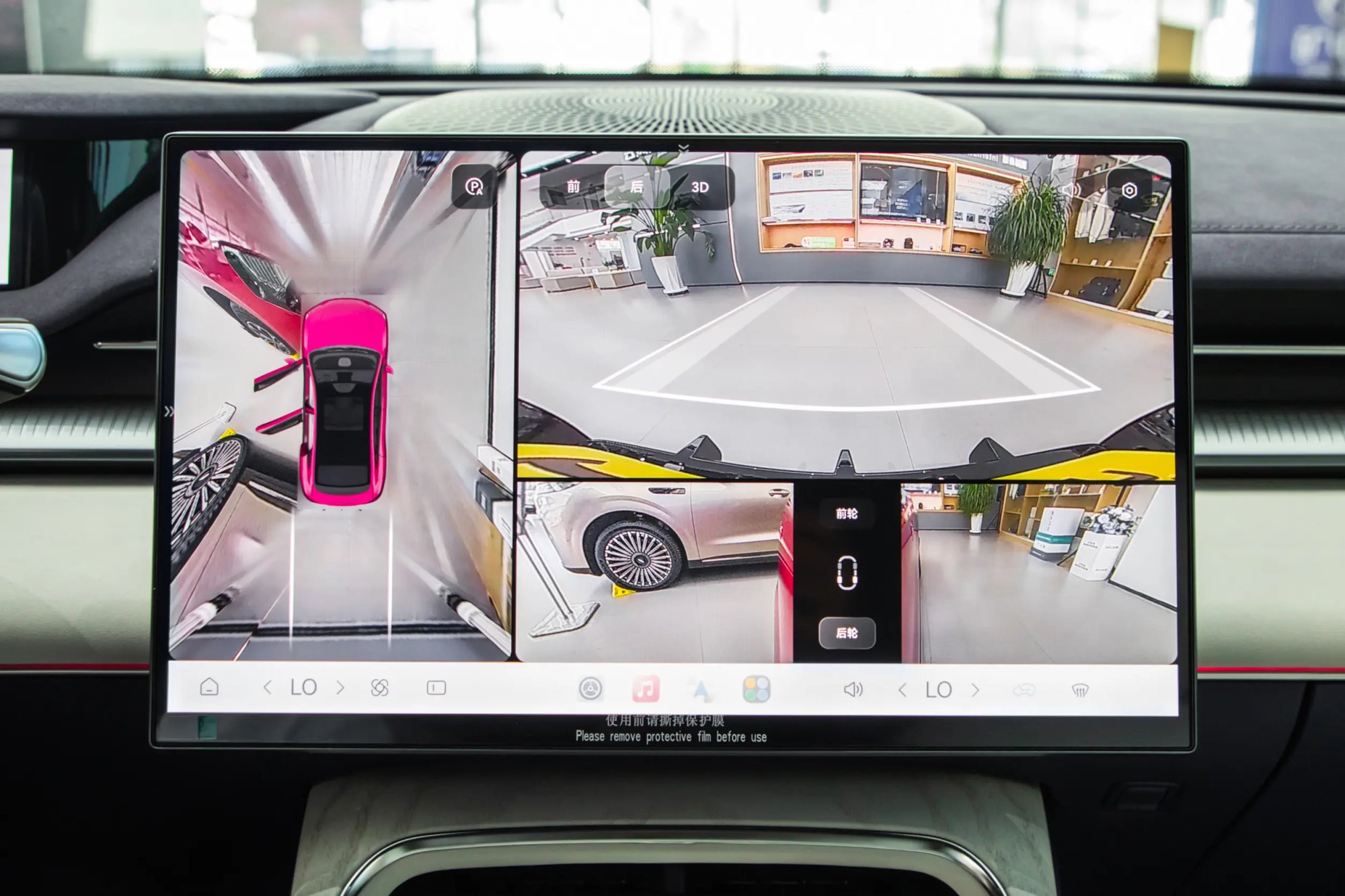
Assisted driving is also one of the changes in this generational update. The 220KM Excellence trim supports an optional God's Eye B assisted driving system, which can provide urban navigation assistance, highway and expressway navigation assistance, and intelligent parking functions. This system is an extra paid option and is calculated separately from the vehicle's base price.
Looking at pricing again, the 76,900 yuan 140KM Leading trim is suitable for consumers who mainly commute in urban areas and have charging conditions; the 87,900 yuan 220KM Beyond trim costs 11,000 yuan more than the entry version, adds 80 km of pure electric range, and also upgrades battery capacity, DC charging power, and seat features.
As for the 97,900 yuan 220KM Excellence trim, it uses the same powertrain and battery as the Beyond trim, with the main differences reflected in assisted driving, the screen, and other comfort features. For consumers who value long range and daily practicality more, the 220KM Beyond trim already provides a 24.3 kWh battery and 220 km CLTC pure electric range; if they want richer assisted driving functions, the top trim offers a more complete configuration base.
In this generational change, the third-generation Qin PLUS DM-i's focus has shifted from simply controlling the purchase threshold to enlarging body dimensions, increasing pure electric range, and adding intelligent configurations. In particular, the 87,900 yuan 220KM Beyond trim balances a 2800 mm wheelbase and 220 km pure electric range, and may become a version that many family car consumers focus on when comparing options.