In China's new energy vehicle market, the birth of new brands never lacks stories, but few can carve out a clear upward path from the midst of skepticism. Qijing, a high-end intelligent vehicle brand jointly created by GAC Group and Huawei Qiankun, has completed a brand breakthrough from "being scrutinized" to "being understood" in less than a year. With the hot sales of the Qijing GX7, this path has finally become clear.
Strict scrutiny under a high starting point
Looking back at Qijing's brand development journey, its starting point was undeniably high. At the end of 2024, GAC and Huawei signed a strategic cooperation agreement on intelligent vehicles. In September 2025, the "Qijing" brand was officially announced. In March 2026, the brand was formally launched and its first model, the GT7, was introduced. Backed by two industry giants, empowered by Huawei Qiankun's full-stack technology, and with over one billion yuan in strategic capital increase bringing in top industrial capital such as CATL—Qijing was placed under the spotlight from the very beginning.
However, the higher the expectations, the stricter the scrutiny. In its early stages, Qijing encountered a series of public opinion storms, with some malicious smears spreading from the product level to the brand level, causing certain interference to brand development. This is a dilemma that many new brands with high starting points encounter: the stronger the resource endowment, the higher the external expectation threshold, and any detail may be magnified. But what truly determines a brand's fate has never been how much skepticism there is at the start, but whether it can hold its ground and respond with strength when facing skepticism.
Setting aside the noise, rebuilding perception with an orderly rhythm
In the face of public opinion storms, Qijing's choice was not to confront emotions head-on, but to return to business fundamentals—letting products and actions speak.
From the brand's global debut in March to the technology release at the Beijing Auto Show in April, from the GT7 pre-sale in May to the GT7 launch in June, from the Chengdu Auto Show in August to the GX7's arrival in September—Qijing's marketing rhythm was compact and orderly. Every event was doing the same thing: transforming the brand from "an object of scrutiny" into "a role to be understood."
This restrained sense of rhythm is precisely the rarest quality in a new brand. Qijing's marketing team's strategy is to "speak human first, then speak technology"—finding a life entry point that is small enough, real enough, and immediately understandable to users, then explaining the technology and experience thoroughly.
GX7 launch: a key leap in brand elevation
On September 23, 2026, the Qijing GX7 was officially launched, a landmark step in the brand's development journey.
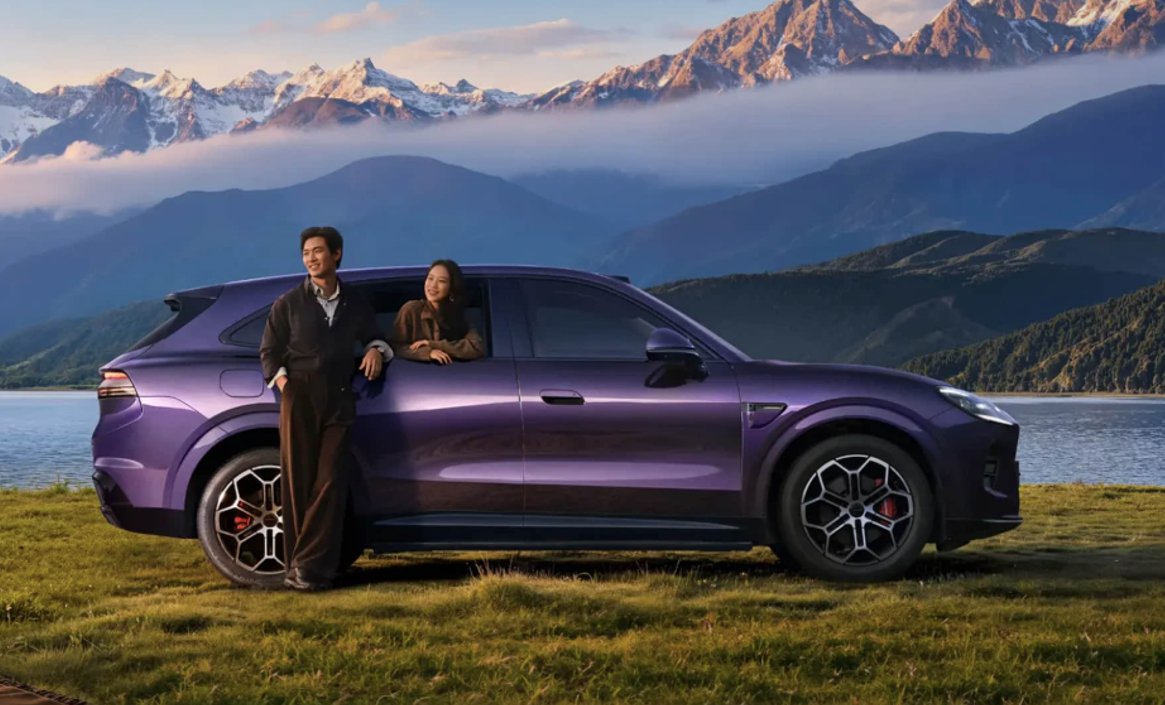
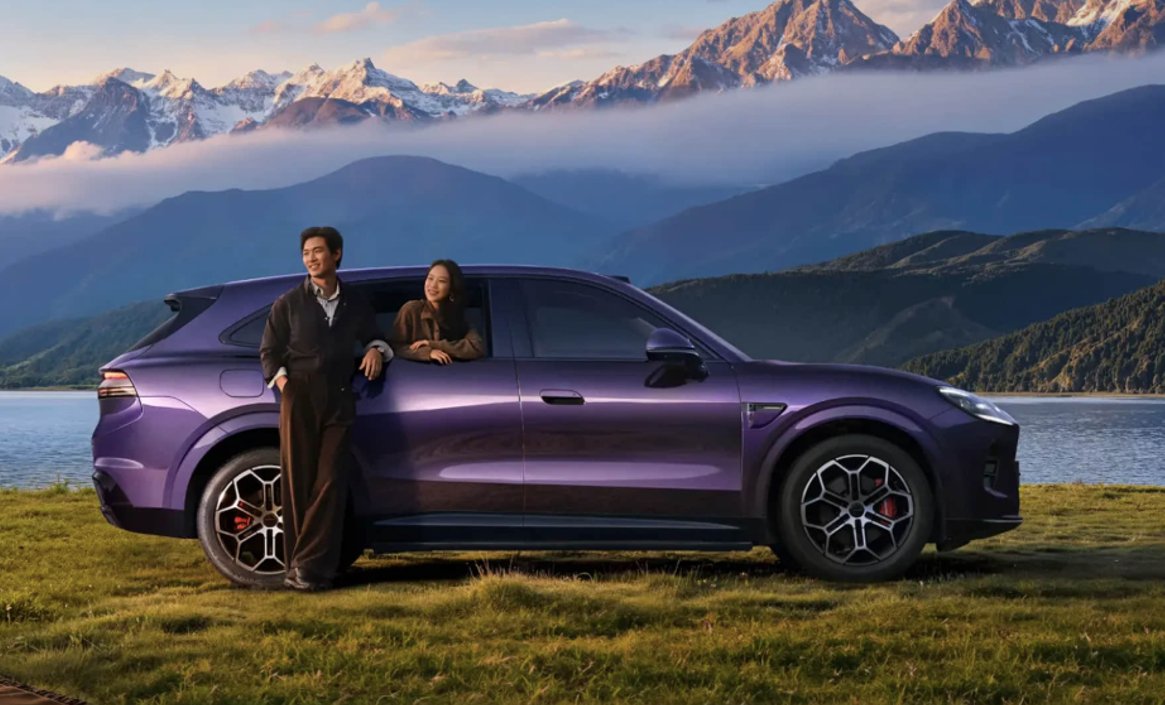
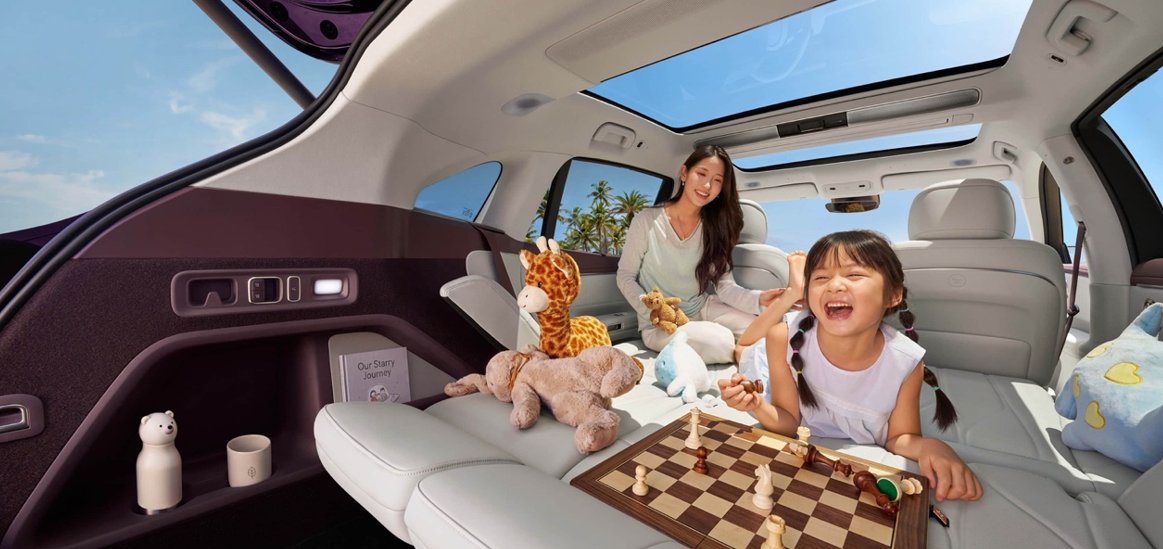
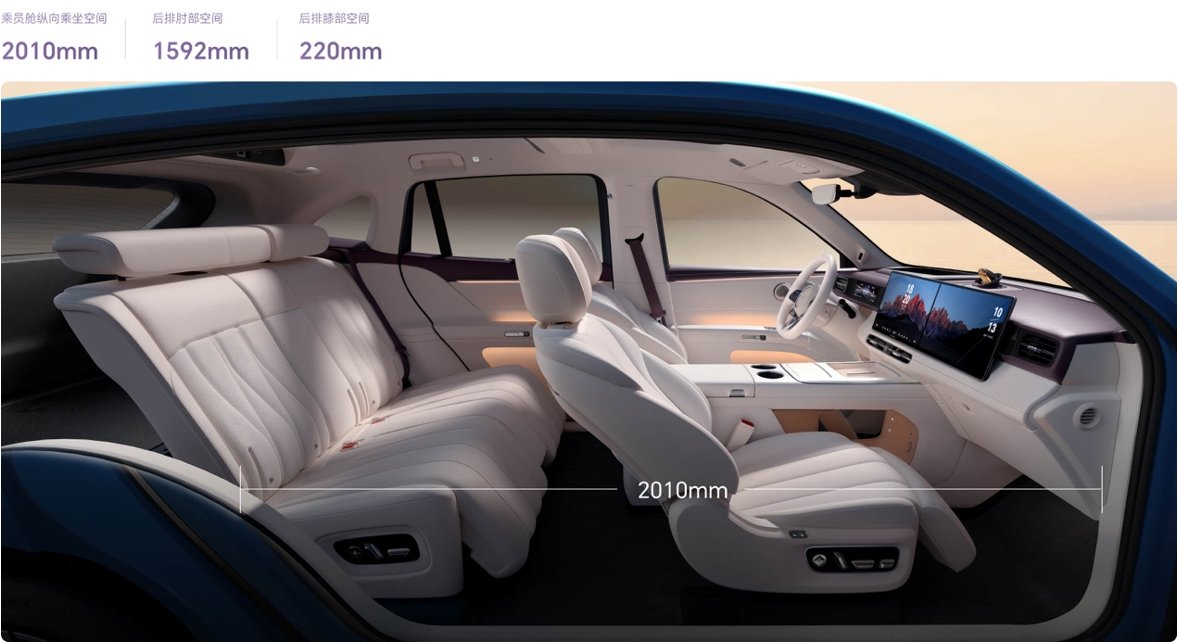
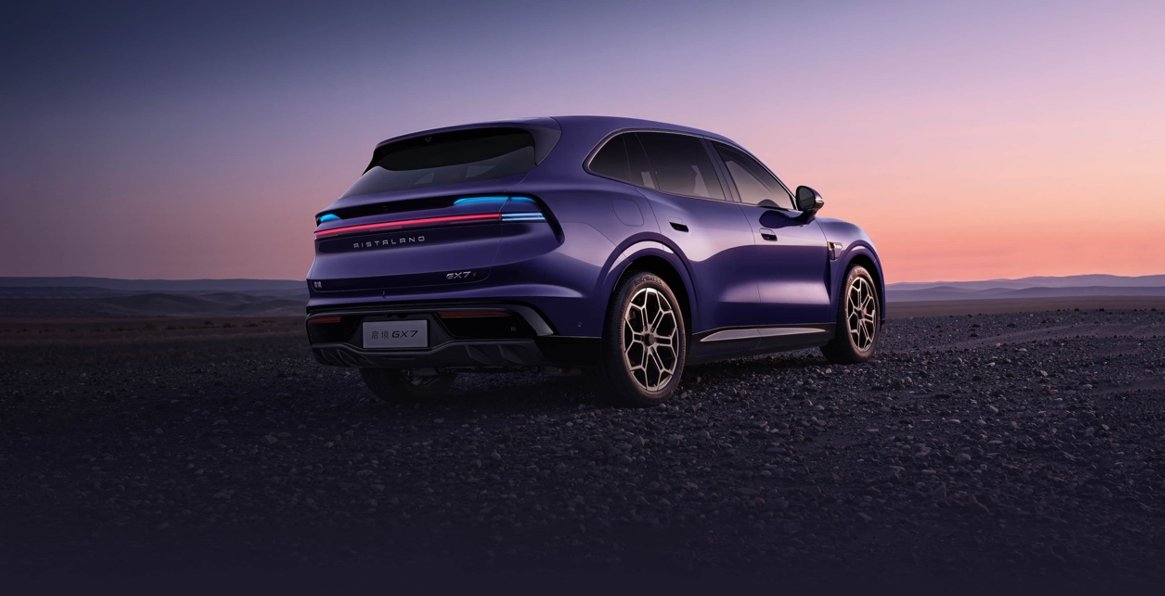
In terms of product strength, the Qijing GX7 measures 5,099 mm in length with a 3,070 mm wheelbase, features a full lineup equipped with an L3-level autonomous driving architecture and 4 lidar sensors, is equipped with Huawei's seven major automotive intelligent solutions, features an industry-first 20-second one-touch flat bed, comes standard with CATL batteries across all variants, and offers a comprehensive range exceeding 1,500 kilometers. Qijing Auto CEO Liu Jiaming stated: "Qijing stands on the shoulders of two industry giants, facing the L3 era, to create a phenomenal product."
In terms of marketing approach, on the day of the GX7 launch, a technology press conference was held in Guangzhou responsible for "explaining clearly," while simultaneously appearing as an official partner at the Wuxi Weibo Music Awards responsible for "spreading the word." Louis Koo and Yang Lan appeared at the launch event as product experience officers, demonstrating four major scenarios on site: lunch break, movie watching, childcare, and camping. After experiencing it, Louis Koo remarked bluntly, "They thought of everything—it's truly an all-rounder." Two cities, two types of venues, each fulfilling its role, forming a complete brand narrative loop. This dual-line strategy of "Guangzhou explains technology, Wuxi builds buzz" has been regarded by the industry as a typical example of cross-sector marketing.
Market feedback is the most powerful proof—just 18 hours after the Qijing GX7 launch, firm orders exceeded 15,318 units. In the 300,000-yuan-class new energy SUV market, this speed is rare.
From selling products to building identification
The success of the Qijing GX7 is not only the birth of a hot-selling model but also marks the brand's elevation from product marketing to value resonance. The skepticism Qijing faced in its early days was essentially a problem of cognitive barriers—users lacked understanding of the cooperation model between GAC and Huawei and had a natural wariness about whether a new brand could deliver high-quality products. To break through this barrier, parameters and prices alone are not enough; users also need to resonate on an emotional level.
With a highly visual feature like the "20-second one-touch flat bed," the GX7 translated the brand philosophy of "letting space follow life" into language that users understand at first hearing—this has more penetrating power than any parameter comparison. When the market moves from feature popularization to value competition, a brand's core competitiveness is no longer "what configurations it has" but "what kind of lifestyle it represents."
Conclusion:
Qijing's development path has proven that maintaining composure amid public opinion storms and rebuilding perception through products and actions is a viable road. The GX7's breakthrough did not rely on emotion confronting emotion, but on product strength as the foundation and marketing breaking through walls. The dual-line strategy of "Guangzhou explains technology, Wuxi builds buzz" translates technical language into life value that users can understand and feel. 15,318 firm orders in 18 hours is both the market's vote for product strength and a validation of the marketing loop.
In other words, hardcore product strength determines whether a brand can be taken seriously, while marketing success determines whether a brand can be truly understood. Qijing has completed the key step from "being scrutinized" to "being understood," and behind this step is the dual success of product strength and marketing perception management. The next step is from "being understood" to "being trusted"—this requires more good products to support and time to give the final answer. For a new brand, solidity is often more important than dazzle; and the highest standard of marketing success is precisely making hardcore products seen, understood, and recognized.