These past few days, I've noticed quite a few car enthusiasts who are really into supercars acting like they've been paid off, constantly hyping up a domestic Chinese car.
Not because they're dazzled by its looks, but because they're intimidated by its specs.
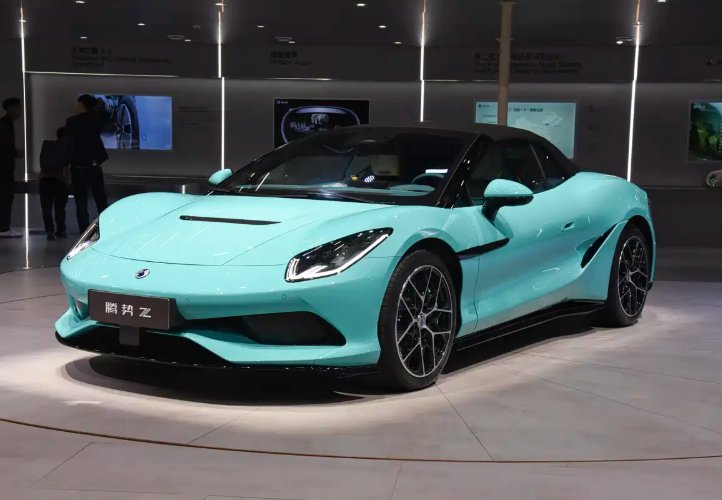
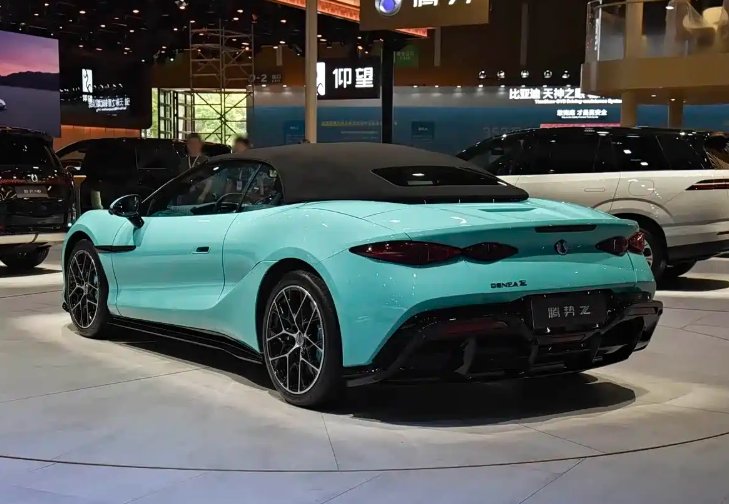
No more suspense—it's the Denza Z.
With a pre-sale price of 680,000 to 1.18 million yuan, it delivers 1,180 kilowatts, a full 1,605 horsepower, a track version that hits 100 km/h in 1.96 seconds, and a top speed of 350 km/h.
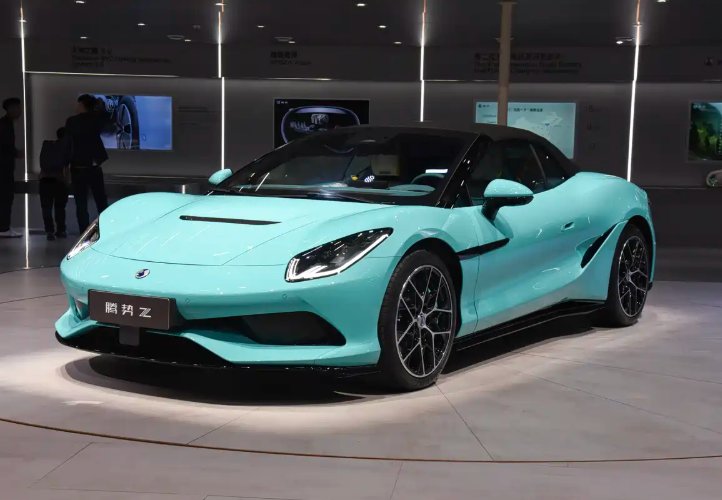
In the past, European and American supercars sold every single horsepower as if it were worth its weight in gold, but in BYD's hands, the e³ platform motors are like cabbages from their own backyard—just scooped into the car by the sackful.
Wouldn't you say that's insane? Over sixteen hundred horsepower!!!
Many people look down on electric sports cars, believing that Porsche is Porsche and Lotus is Lotus because they rely on a century of mystical chassis tuning, on the resilience of every single anti-roll bar through the corners.
To put it bluntly, you slap together a tri-motor independent four-wheel-drive system, brute-force over a thousand horsepower, nail 1.96 seconds in a straight line, but the moment you enter a corner, with over two tons of battery pressing down and heat fade kicking in, you'll be in the pits after a few laps, fans blowing to cool off.
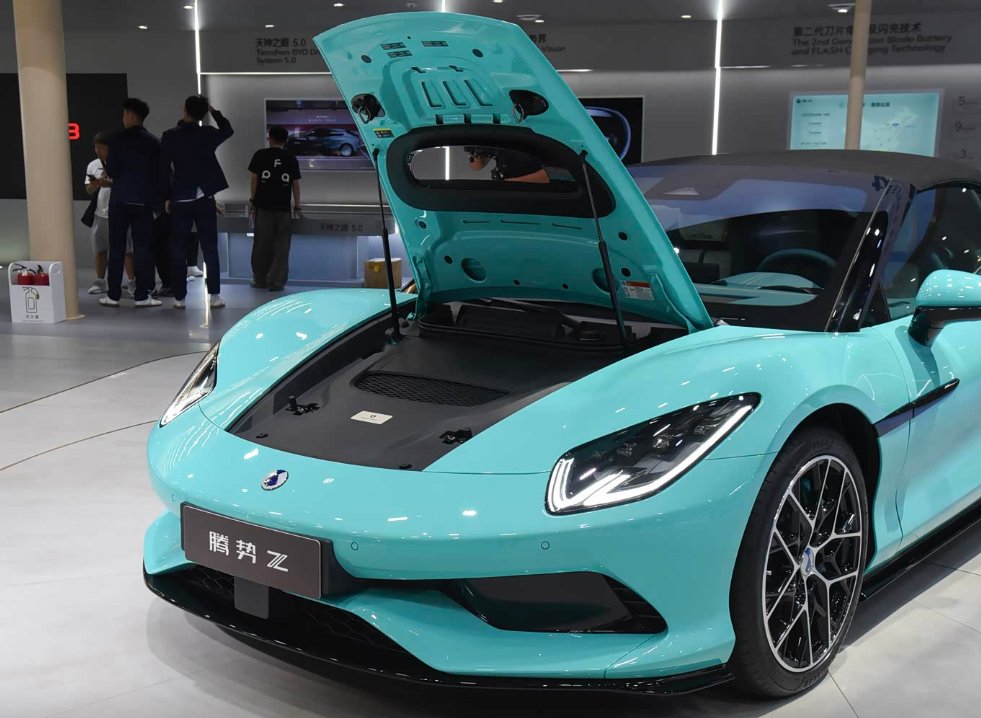
That criticism has merit, but don't call it too soon either.
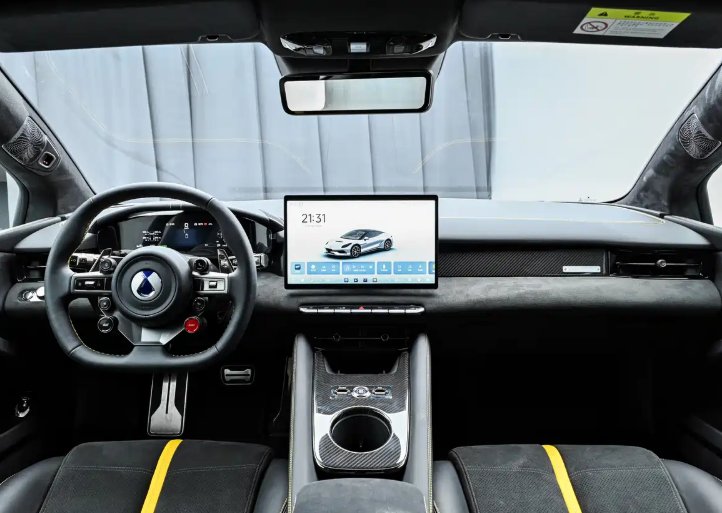
The Denza Z got smarter this time—it's got a track UI inside the car that plasters motor power, battery temperature, even lateral G-forces and per-wheel torque right onto the screen.
To use a simple analogy, it's like everyone used to take exams by gut feeling, and now it's projecting the entire problem-solving process for you.
And get this—the car actually packs two lidar sensors into the left and right of the front bumper. Tell me, have you ever seen a track-day daredevil using highway pilot assist to chase lap times?
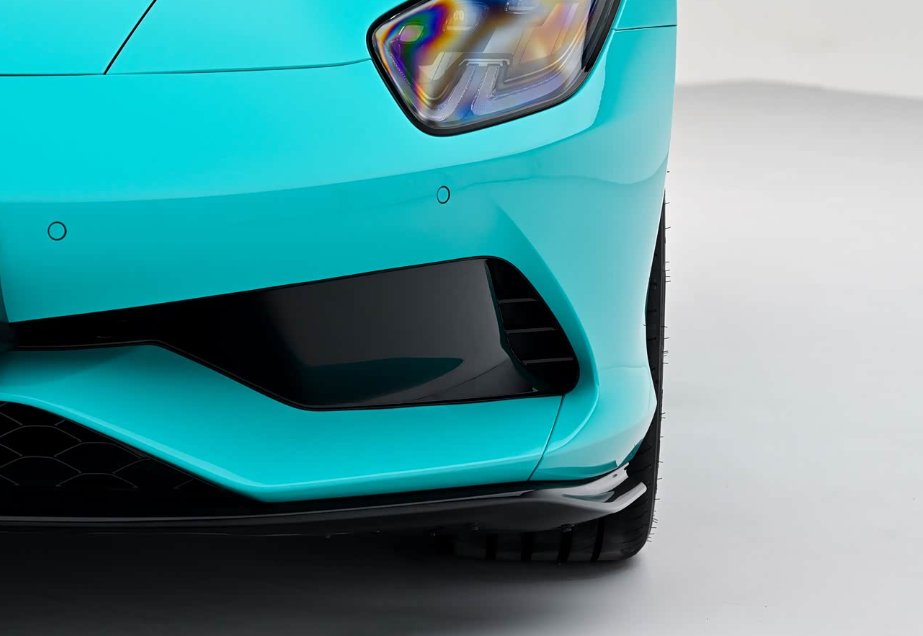
What it wants to be is a freak that can blast down the straight at the track, take the top down for a weekend drive to the beach with a girl, and on the tired drive home, hand things over to the smart driving system.
Looking around, who's its most direct rival?
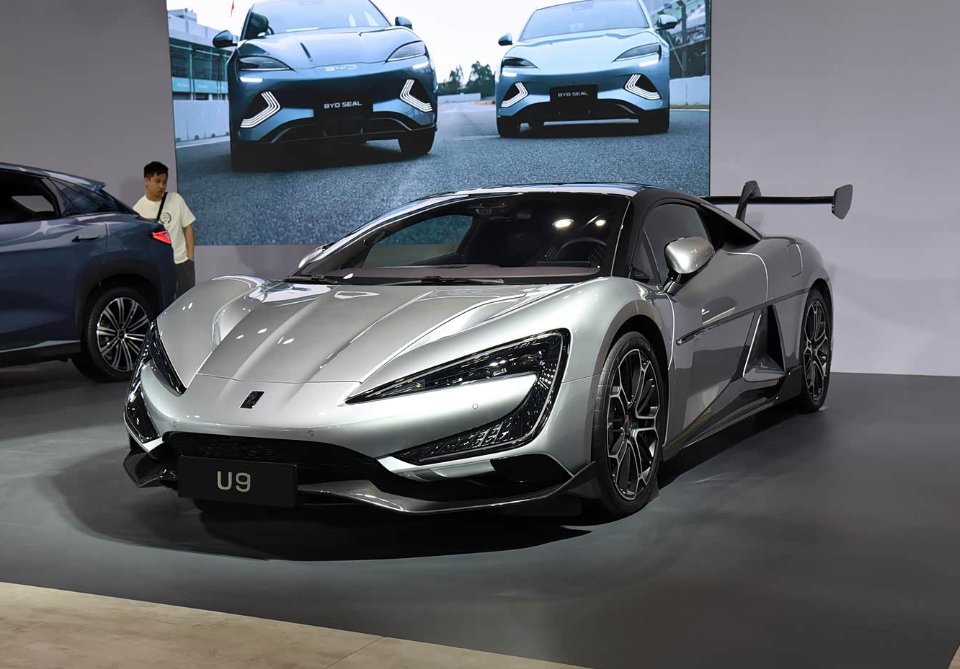
Look up—its own big brother, the Yangwang U9, sells for 1.68 million yuan, has big name recognition and can even dance, but that price threshold is too high.
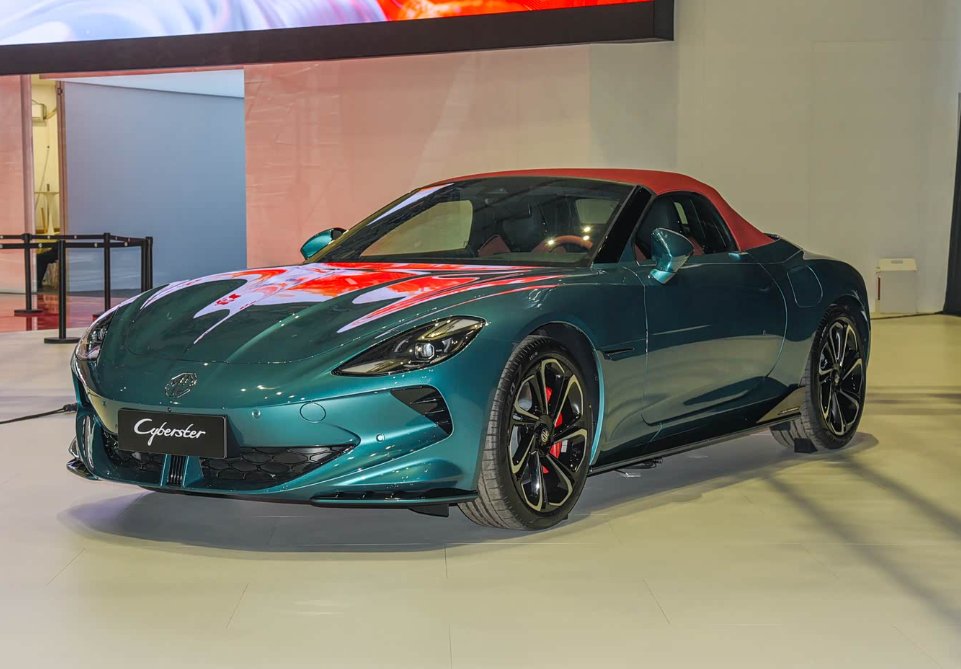
Look down—the MG Cyberster is only around 300 grand, affordable for sure, but its horsepower and presence are simply not in the same league—it's a toy.
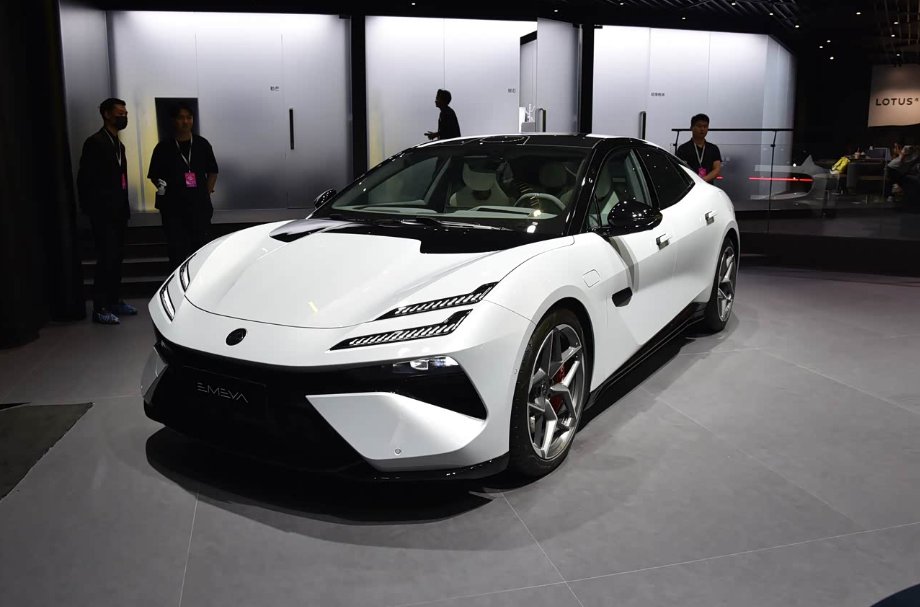
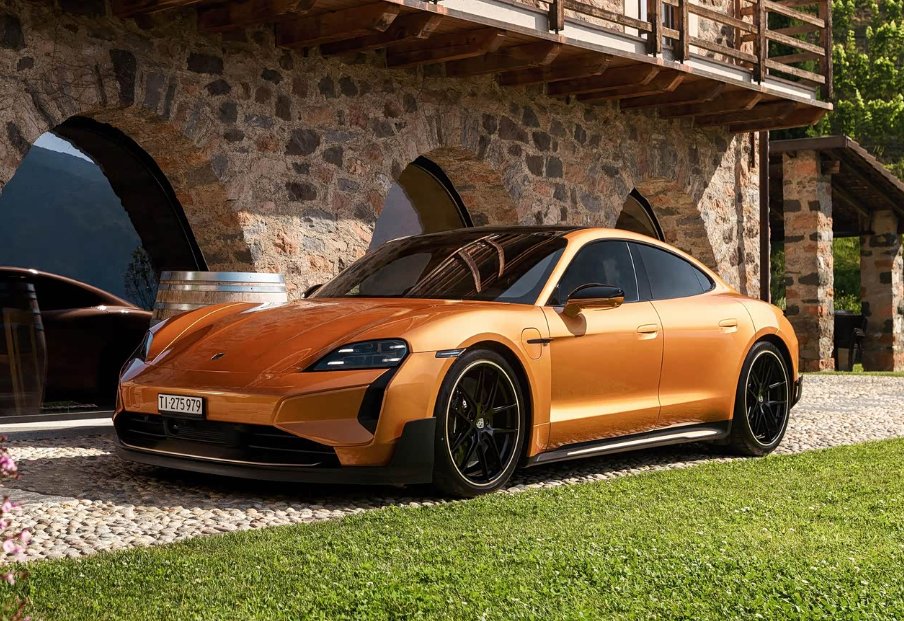
Compare sideways, and only the Lotus EV and the high-performance versions of the Porsche Taycan, or the Zeekr 001 FR, can measure up.
But under a million yuan, offering your choice of three body styles—"hardtop, fully automatic soft-top convertible, and big-wing track version"—plus 1,605 horsepower built in, you really can't find another one on the market right now.
But if you really want me to shell out six or seven hundred thousand yuan for it, I've got two concerns in my heart.
The first is face value—the social prestige factor.
A sports car is 70% about performance and 30% about social currency. Roll up to a nightclub in a Lamborghini, Ferrari, or McLaren, and the bouncer will practically roll out a red carpet to your tires.
Roll up in a Denza Z, and if you run into a bouncer who doesn't know his cars, he'll stick his head out and ask: "Boss, that's a nicely modded BYD Seal, huh?"—and your several-hundred-thousand-yuan purchase will give you a heart attack on the spot.
Whether Denza's brand premium can support a million-yuan-class sports car dream really deserves a question mark.
The second is lightweighting.
With a 2,780mm wheelbase, a width pushing 1,990mm, and the hardtop version approaching 4.9 meters in length, this thing is a proper big boy.
Sure, the roof uses carbon fiber, and the interior is trimmed with carbon fiber and suede, but the battery pack's weight is still sitting right there.
On the straight, brute-forcing it with three motors is indeed "brute force makes the brick fly," but on narrow, twisty mountain roads, can the chassis dynamics achieve man-and-machine unity? Can the tires and brakes survive several rounds of high-intensity abuse? The specifics will have to wait until test cars hit the ground.
As for whether to buy it?
If you've got close to a million in hand and just want to experience that suffocating acceleration where your brain sloshes backward in under two seconds, and you also want a tech-filled big toy that shields you from wind and rain, has good sound insulation, and goes topless in style—then when it officially launches in Q4, you really should go to the store and stomp the accelerator a couple of times.
But if you're counting on it to flex in the car circle and earn respect, then maybe spending extra on a used 911 would be more worry-free.