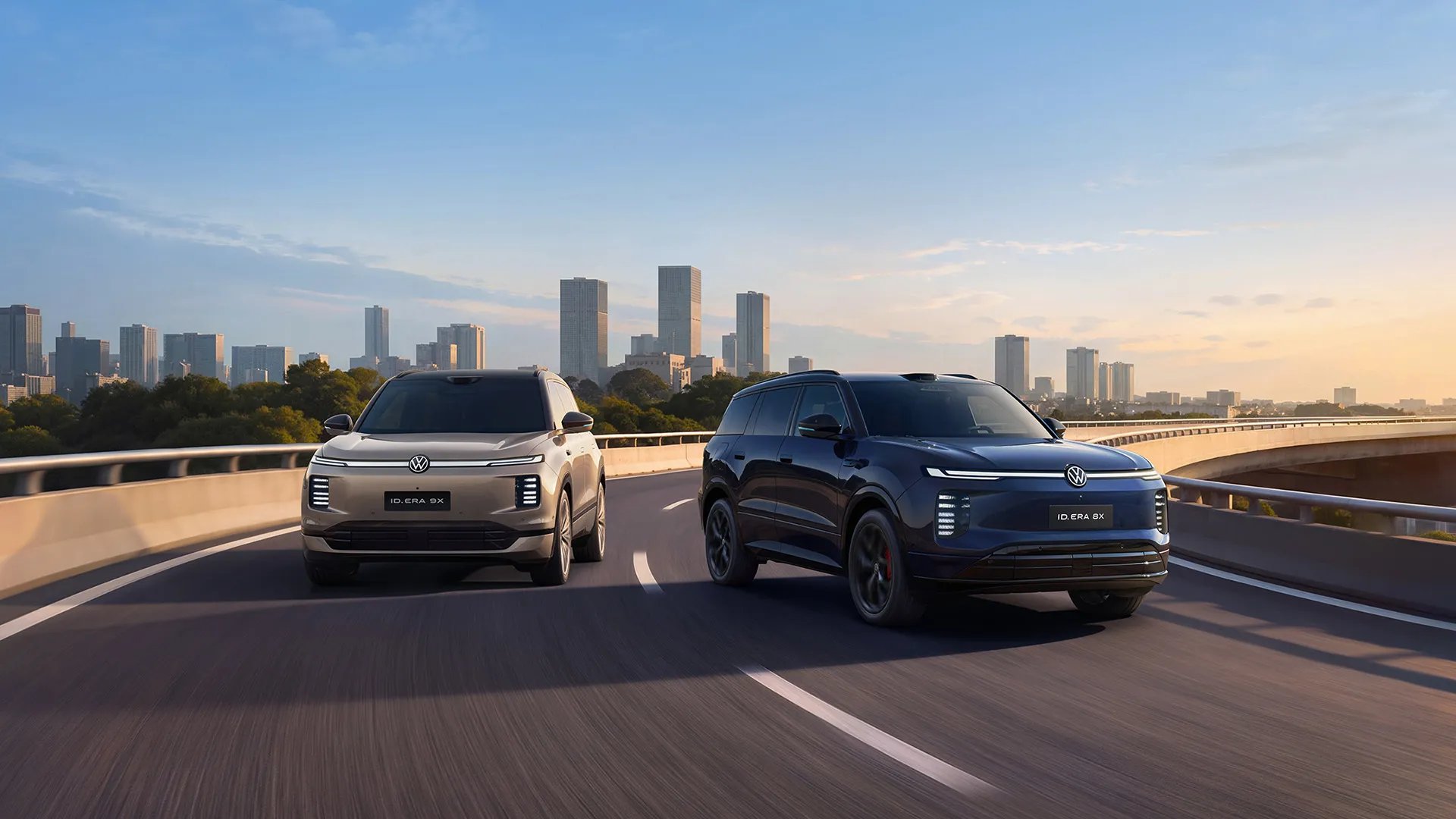
Over the past year or two, the large five-seat SUV segment has become increasingly competitive. In the price range of just over 200,000 yuan, among new force brands, Li Auto has launched the L6 and L7, and Aito has also launched the M6 and M7. As a joint venture brand, SAIC Volkswagen has directly rolled out the ID.ERA 8X to respond. This car is quite interesting—it is a joint venture range-extender SUV that carries traditional German chassis expertise while desperately filling in its smart-tech shortcomings. Moreover, it is led by SAIC Volkswagen and jointly developed by China and Germany—in plain terms, a special model exclusively for the Chinese market. In terms of pedigree, it is certainly not as pure as the ID.3 or ID.4X, but when you look closely, you will find that this ID.ERA 8X still has something going for it.
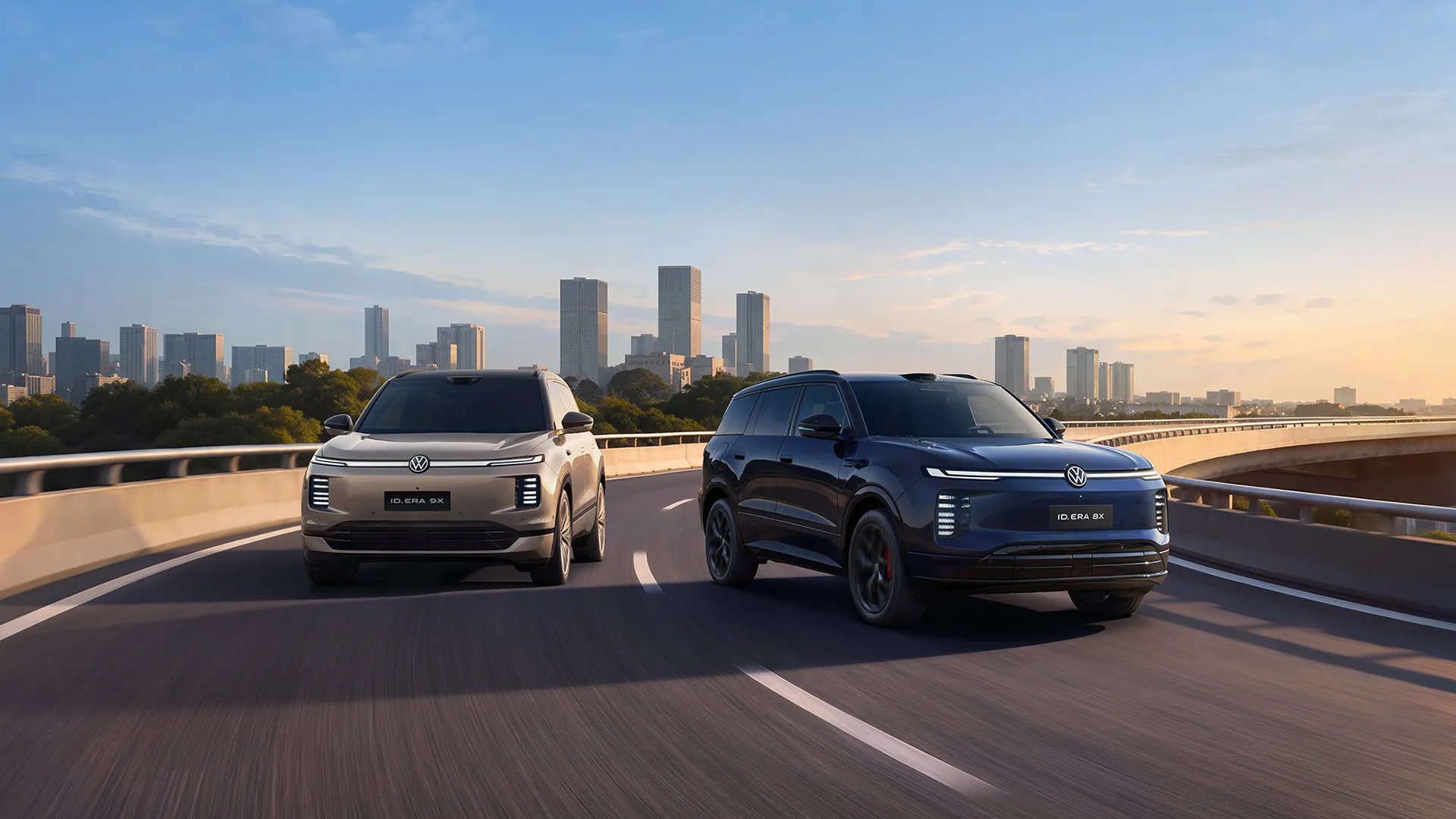
First, a brief note on positioning: the ID.ERA 8X is a mid-to-large five-seat SUV with a body length exceeding 5 meters and a wheelbase of 2,970mm. Theoretically, its body dimensions are almost as large as the Teramont, fully capable of offering 7-seat and 6-seat configurations—yet it does not. Therefore, competing with domestic cars using only a large five-seat layout puts it at a complete disadvantage.
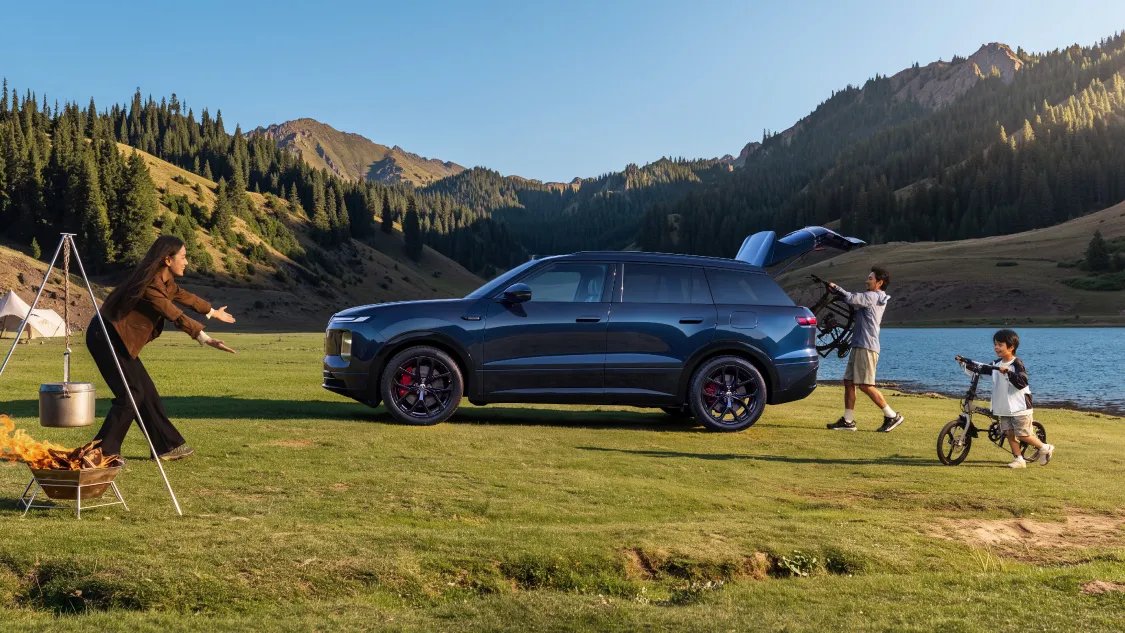
The ID.ERA 8X starts at 206,800 yuan. The entire vehicle is built on an 800V high-voltage platform. The top-trim version features a 65.2kWh battery from CATL, with a WLTC pure electric range of 330km and a combined range of 1,215km. Daily commuting on electricity and long trips on fuel—no range anxiety like pure EVs—and the range extender takes 92-octane gasoline, making running costs quite friendly.
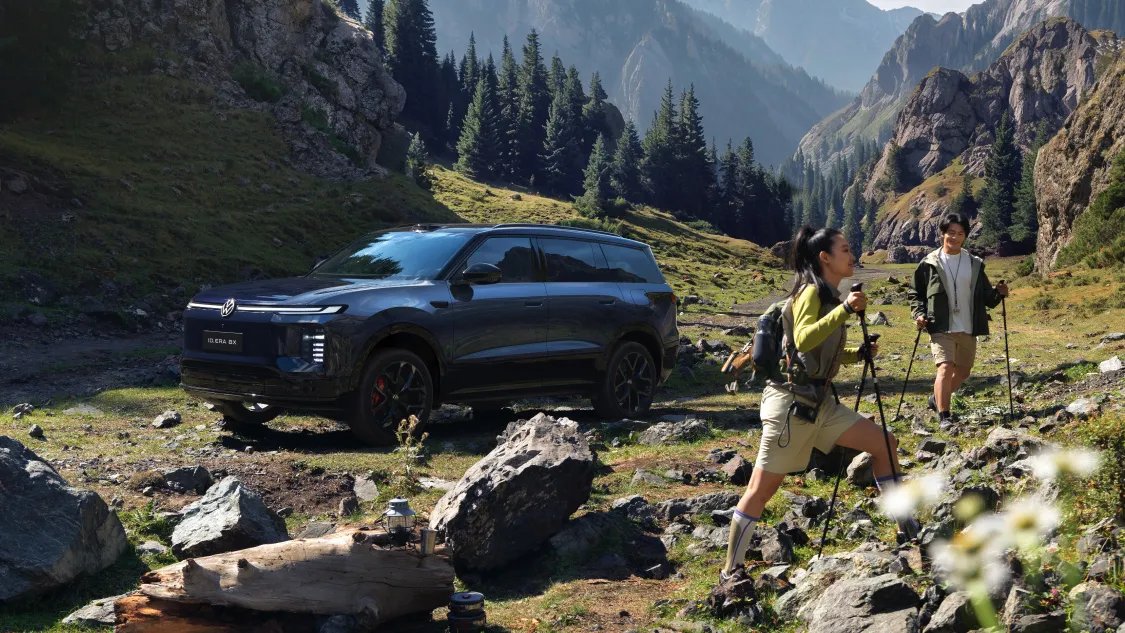
Also a range-extender vehicle, the ID.ERA 8X uses Volkswagen's own EA211 series 1.5T engine, which is inferior to the Dongan 1.5T engine in both maximum power and thermal efficiency.
In recent years, domestic cars have pushed engine thermal efficiency higher and higher, to the point where it feels like domestic engines are already far ahead. However, Volkswagen's EA211 1.5T EVO II range-extender engine directly rips off the fig leaf. Although its thermal efficiency is only 40%, its high-efficiency range is very broad—for example, when climbing slopes, driving at high altitude, accelerating hard, or overtaking under acceleration, it handles everything with ease. Meanwhile, although the Dongan 1.5T has higher thermal efficiency, it is only suitable for highway cruising. Once frequent hard acceleration or load fluctuations occur, it easily falls outside the optimal range, and its fuel economy advantage is compromised. Additionally, in terms of driving and riding feel, the difference in vibration and noise is clearly noticeable.
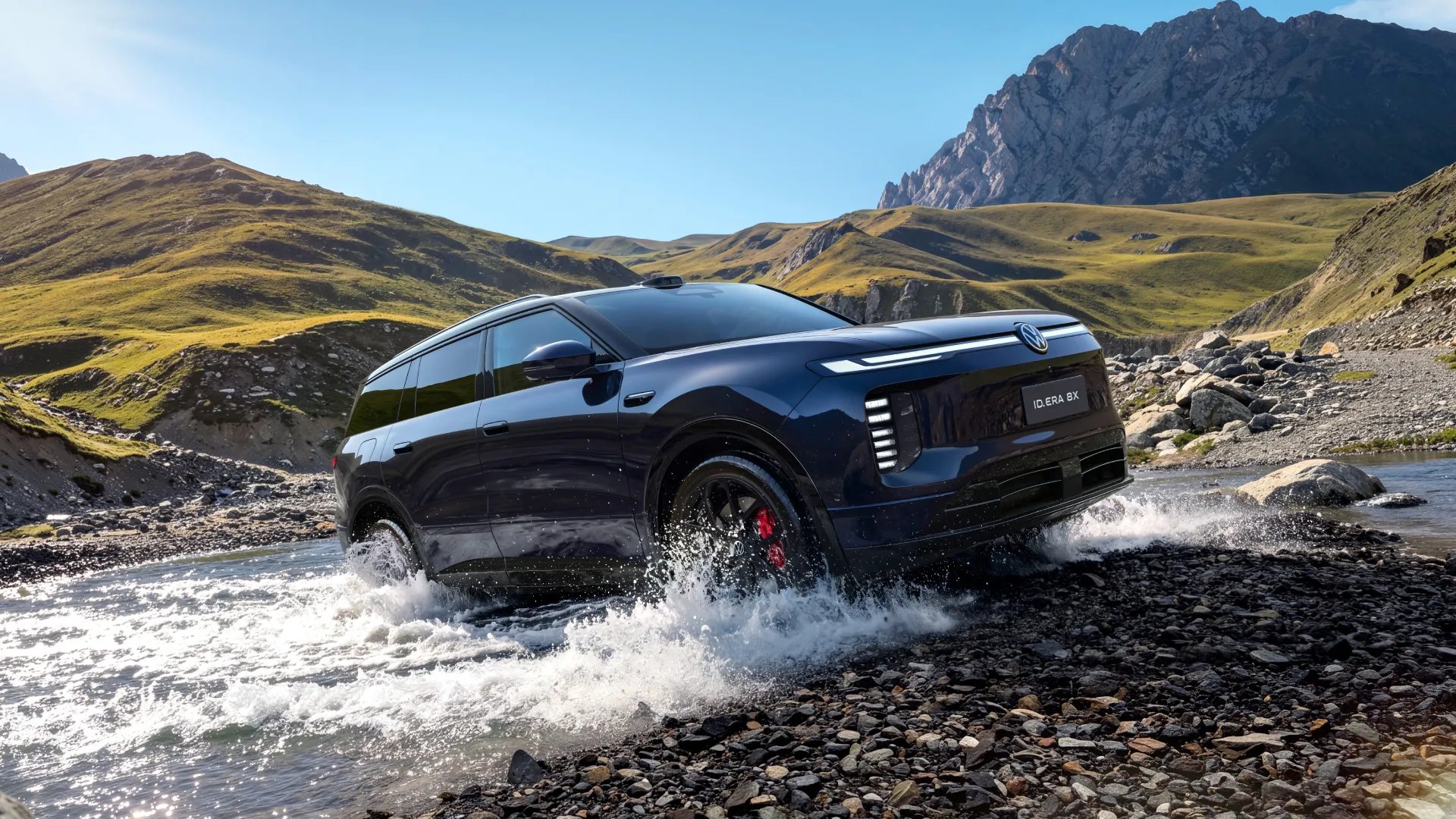
In terms of the chassis, the ID.ERA 8X adopts a front double-wishbone and rear five-link suspension structure. Except for the base trim, all versions are equipped with dual-chamber air suspension + DCC adaptive damping, supporting magic carpet preview, with a maximum ride height adjustment of 150mm. Chassis tuning has always been Volkswagen's forte. It is not the soft, floaty, bottoming-out style—the chassis feels solid and planted, body roll is well controlled during high-speed cornering, fine road bumps are filtered cleanly, and there is no excess bounce over speed bumps. It also features rear-wheel steering, with a very small turning radius—a single maneuver is enough for U-turns in the city. A large car that is easy to drive and easy to park—this is rare.
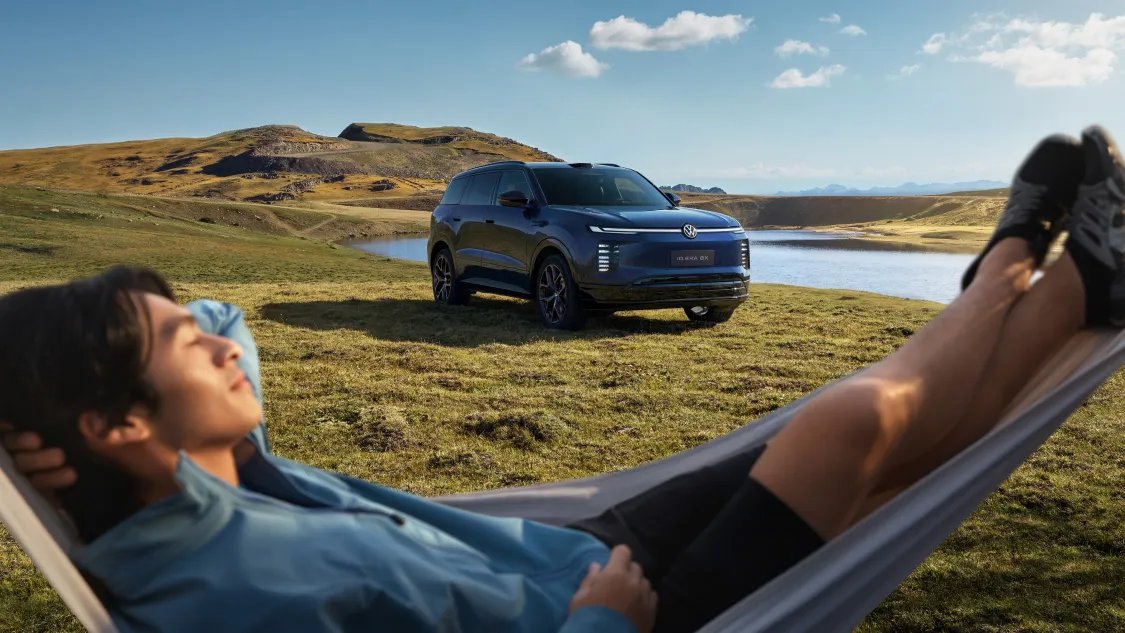
Smart technology is where this car shows the biggest improvement compared to older Volkswagen new energy vehicles—Volkswagen is clearly anxious. It comes standard across the lineup with Momenta R7 world-model intelligent driving, featuring a 192-line LiDAR and 26 perception hardware components. Urban NOA, highway navigation assist, and door-to-door automatic parking are all natively included. Even the entry-level version does not cut high-level smart driving features—this is considerable sincerity for a joint venture model.
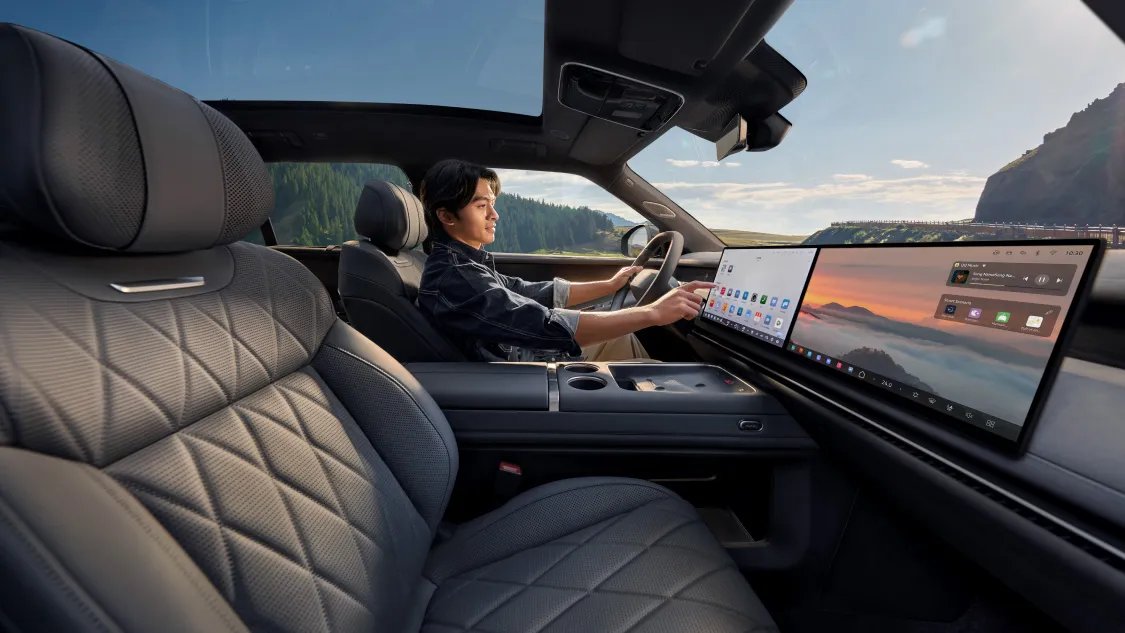
Additionally, the interior has undergone tremendous changes—you would not feel at all that this is a Volkswagen. The center console has done away with all physical buttons, and two 15.6-inch screens—the central control screen and the passenger screen—are merged into one. One has to say, SAIC Volkswagen was a bit impulsive with this interior redesign, because the people who buy this car are die-hard Volkswagen fans. What they pursue is German handling, mechanical quality, and Volkswagen build quality—in plain terms, conservatives. People can accept Volkswagen's changes, but don't make it look like a domestic car. And in terms of exterior and interior design, the exterior still retains the familiar Volkswagen style, while the interior has completely changed character.
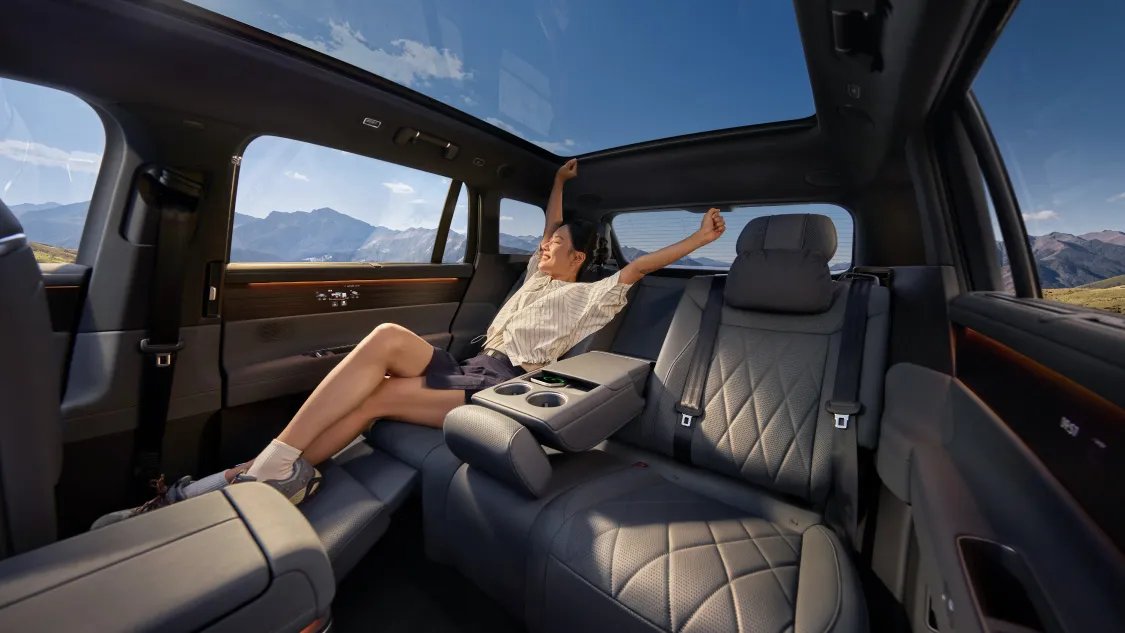
In terms of equipment, SAIC Volkswagen was very generous this time—it gives quite a lot, even more sincere than some domestic cars. Things like seat massage, a refrigerator, soft-close doors, matrix headlights, and so on—this is very rare.
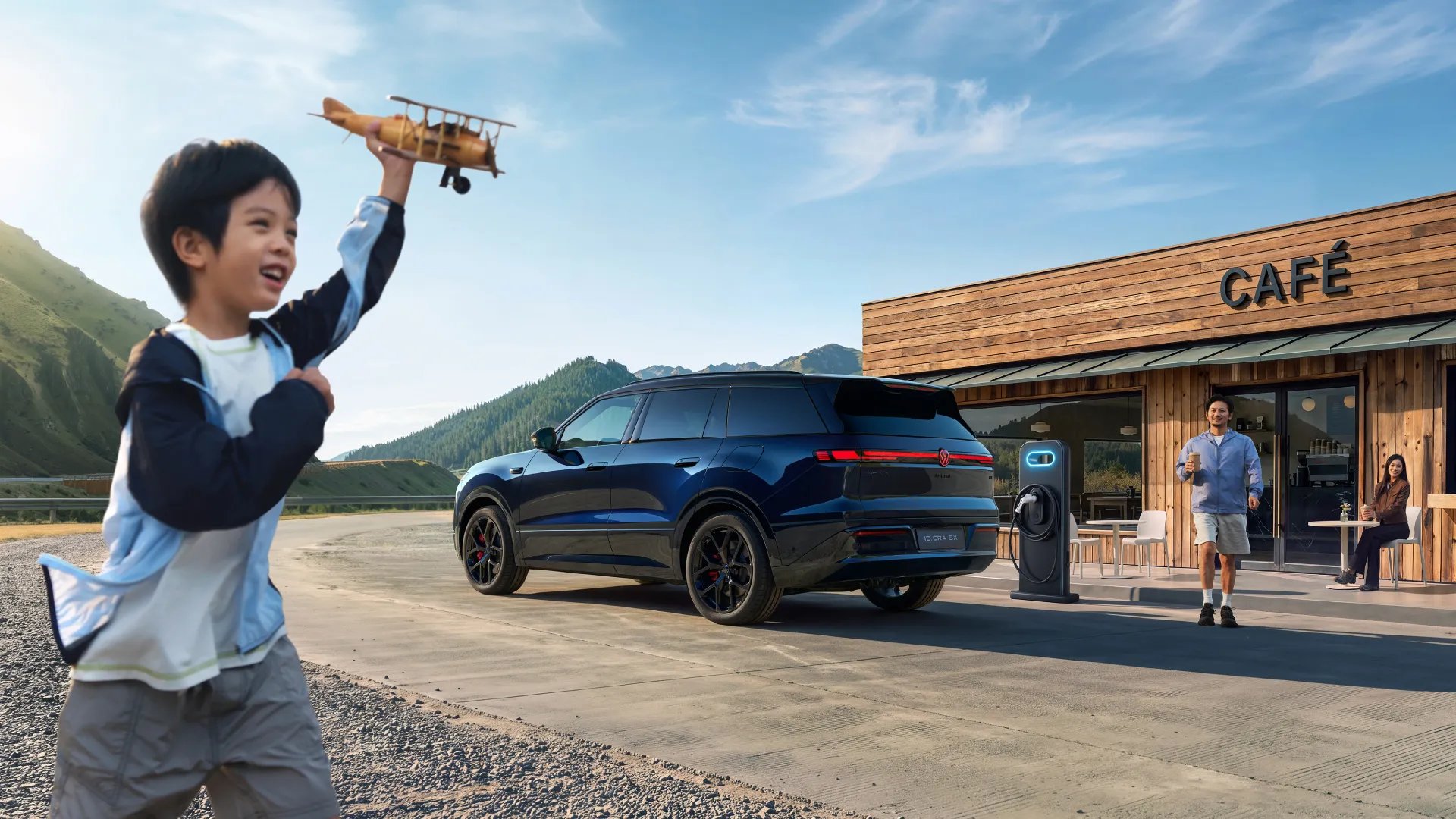
Overall, although the SAIC Volkswagen ID.ERA 8X is a China-exclusive model, its cost-performance ratio is very high. Perhaps SAIC Volkswagen has recognized the situation—the days of easily making money are gone. Facing the strength and fierce competition of domestic new energy vehicles, SAIC Volkswagen has set aside profit concerns this time, competing not only on fundamentals but also on value for money. The ID.ERA 8X is not a perfect all-rounder, but it represents joint venture new energy vehicles offering a different approach to solving the problem.


