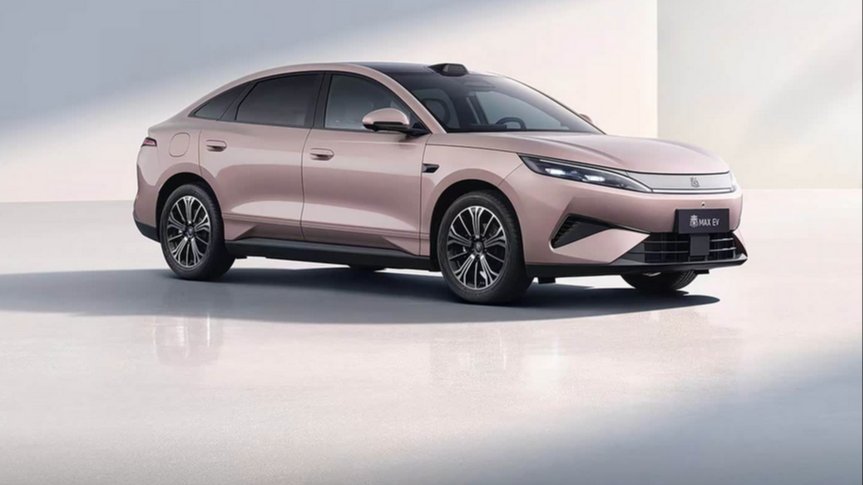
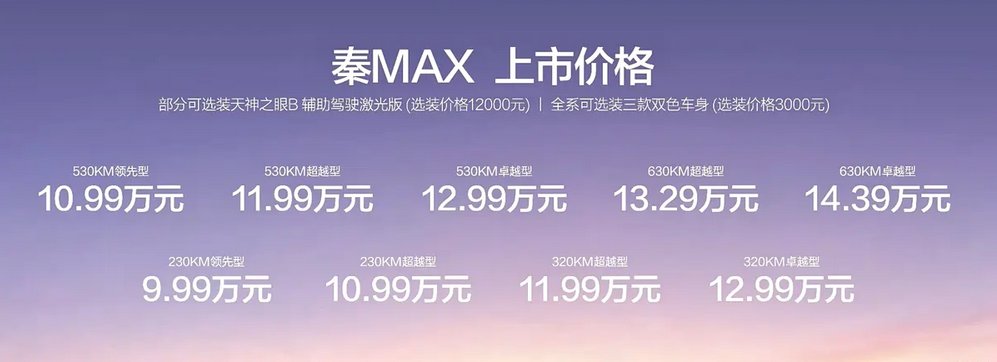
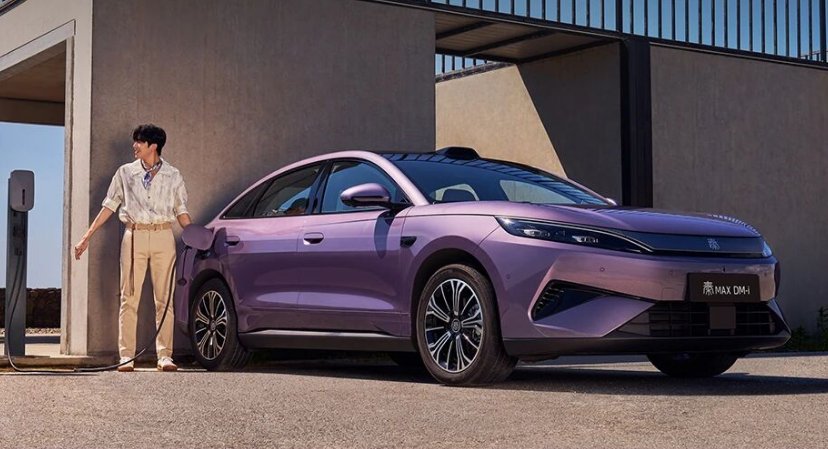
On August 13, the BYD Qin MAX was officially launched, offering both pure electric (EV) and plug-in hybrid (DM-i) powertrain versions, with a total of 9 models. Among them, the EV version has 5 models: 530KM Leading, 530KM Beyond, 530KM Excellence, 630KM Beyond, and 630KM Excellence. The DM-i version has 4 models: 230KM Leading, 230KM Beyond, 320KM Beyond, and 320KM Excellence.
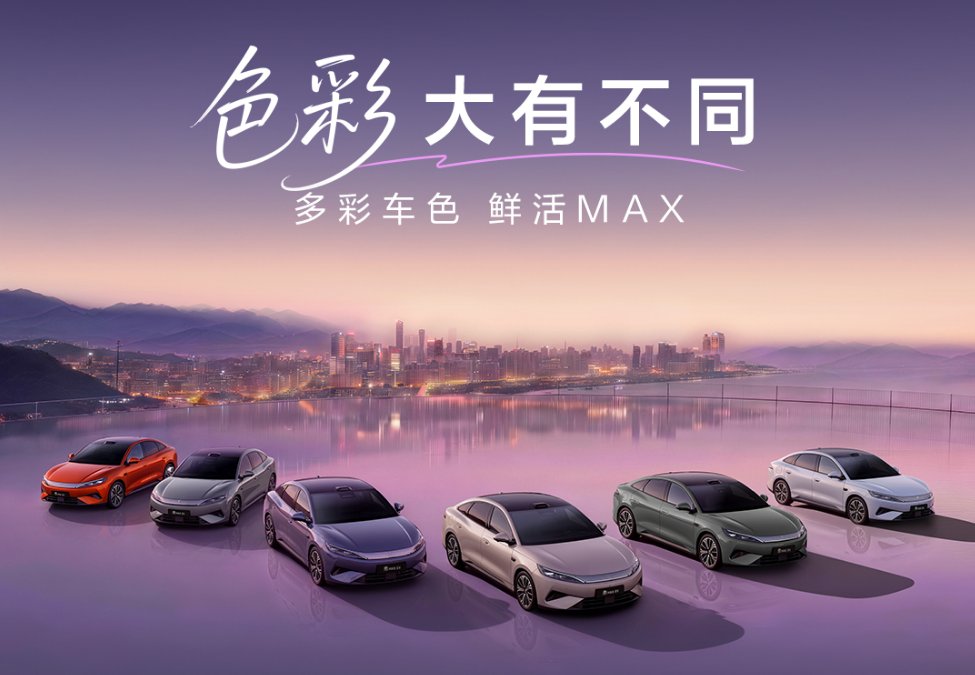
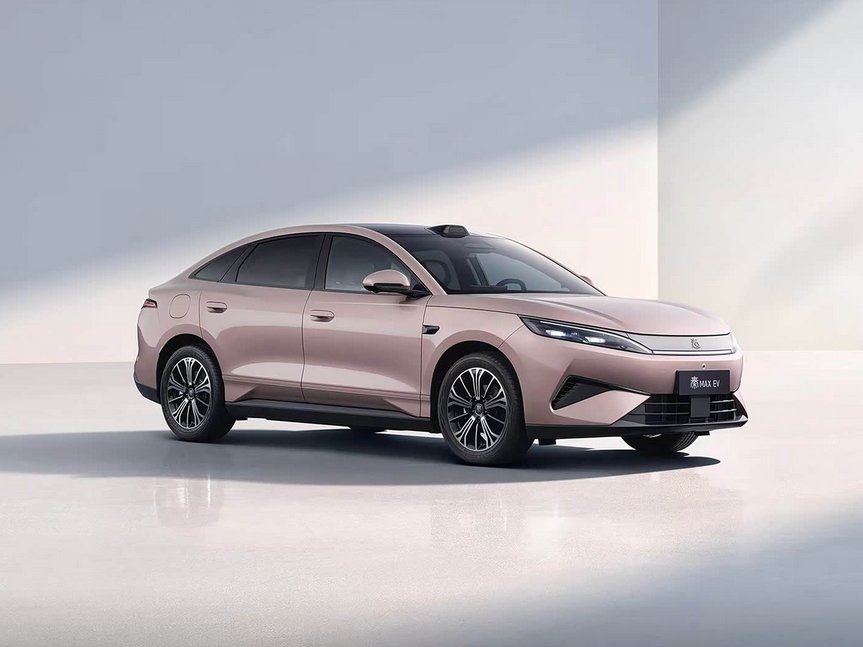
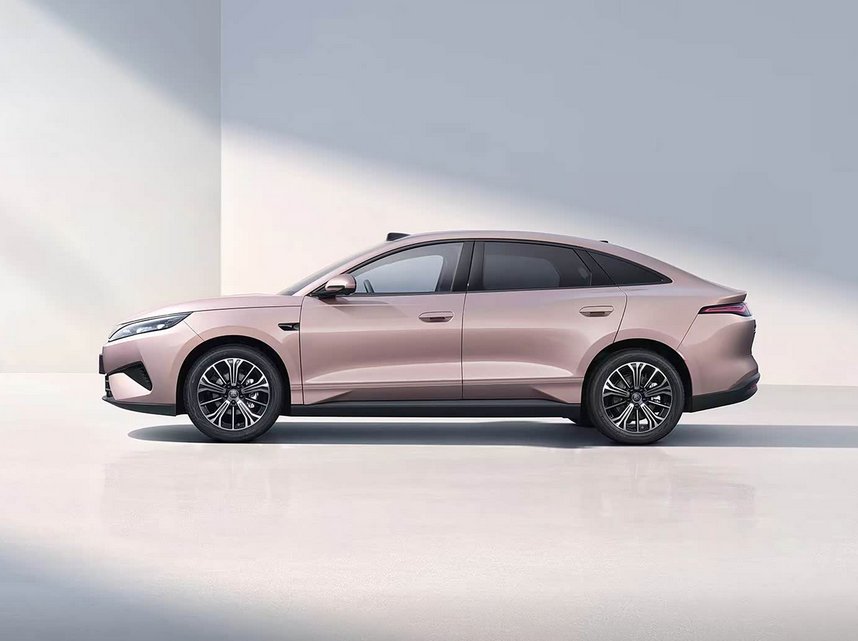
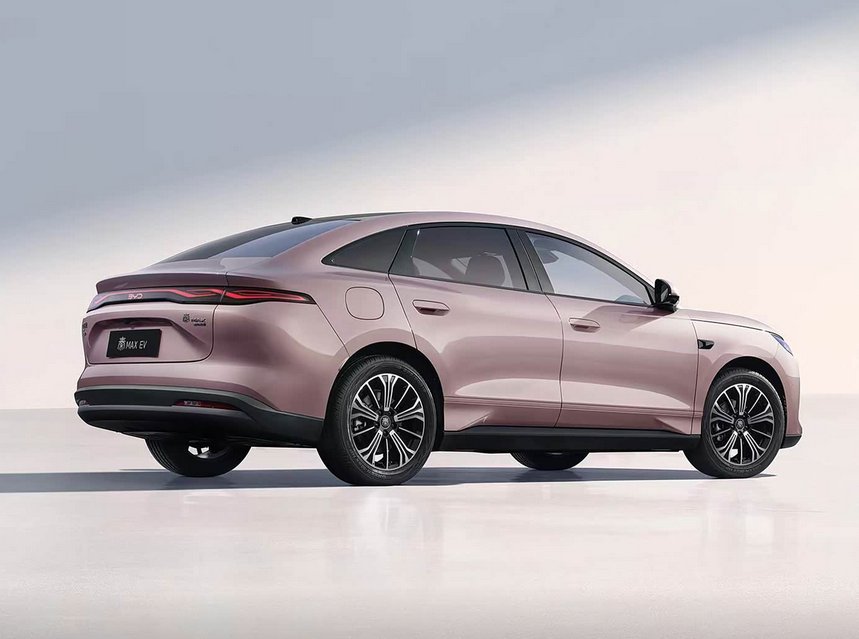
The Qin MAX is positioned as a mid-size car, with length, width, and height of 4,866 mm, 1,880 mm, and 1,495 mm respectively, and a wheelbase of 2,820 mm. It is equipped with semi-hidden door handles and 17-inch wheels (the three Excellence models get 18-inch wheels). The EV version provides 27 storage spaces, a 115-liter front trunk, and a 523-liter rear trunk; the DM-i version has 26 storage spaces and a 557-liter rear trunk.
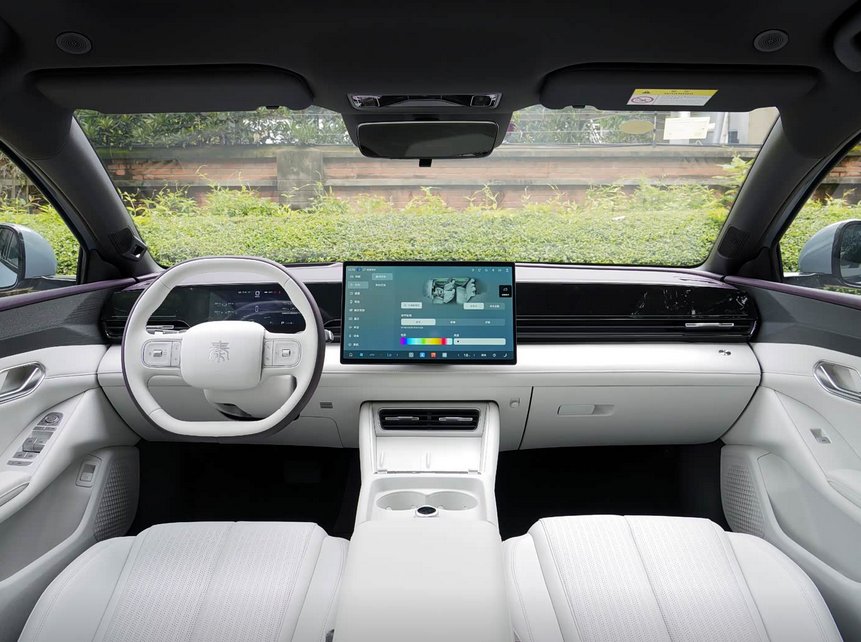
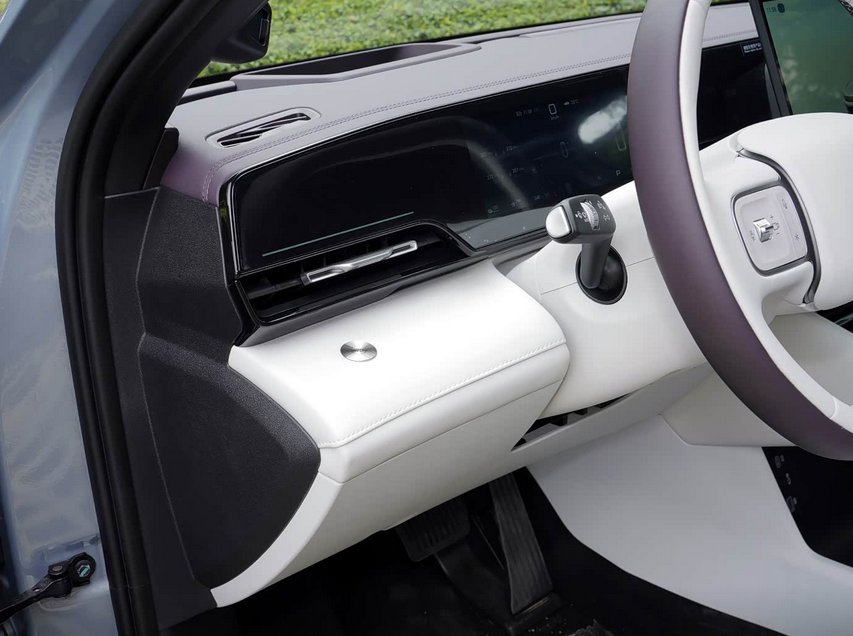
The Qin MAX is equipped with the DiLink 150 intelligent cockpit system, featuring the built-in AI agent "Didi Xia." It comes with a 12.8-inch (15.6-inch for the three Excellence models) floating central control screen and an 8.8-inch full LCD instrument panel. The Excellence models also feature a W-HUD head-up display and 50W front-row wireless phone charging. Except for the two Leading models, the front seats of the other models all have heating and ventilation functions. Among them, the 320KM Excellence and 630KM Excellence additionally add front-seat massage function and an in-car refrigerator.
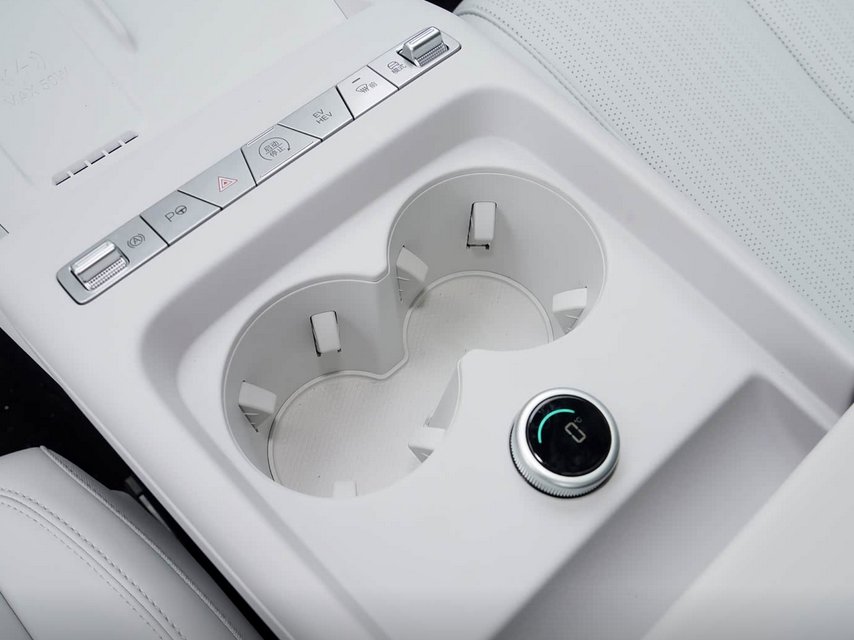
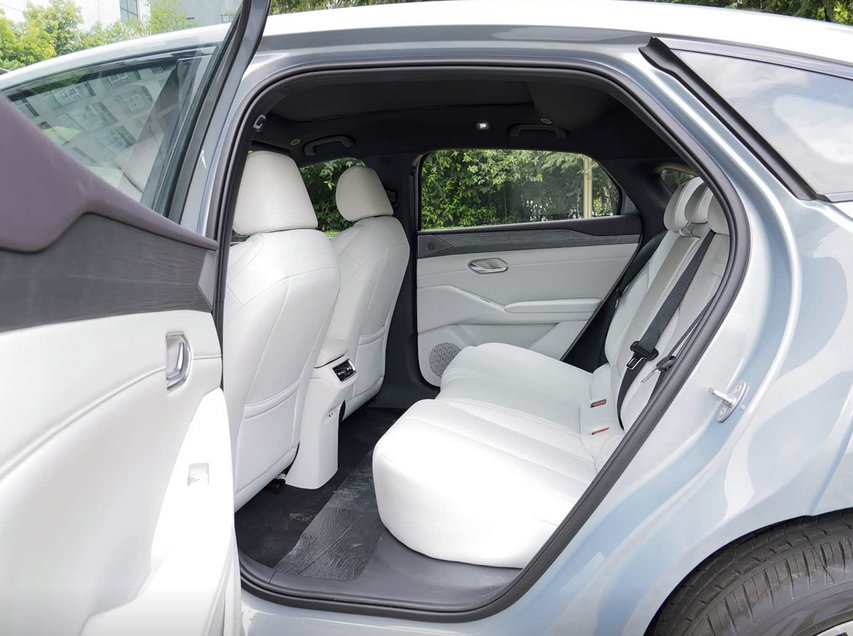
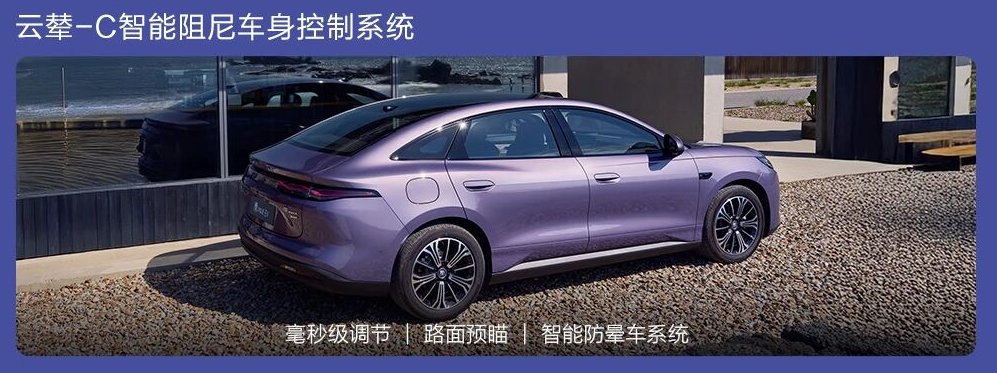
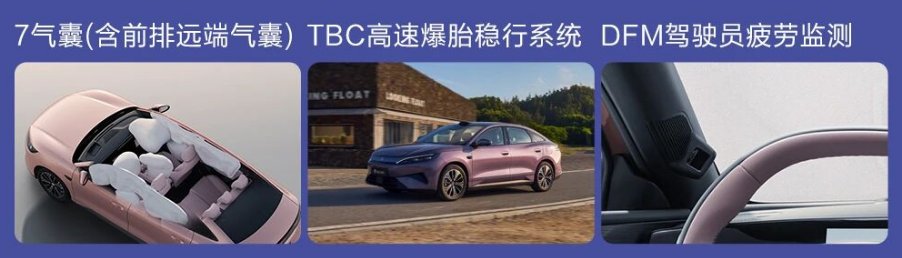
In terms of intelligent driving, except for the Leading models, the other models come standard with God's Eye C, supporting highway navigation assist. The 320KM Beyond and the three Excellence models can optionally be equipped with God's Eye B assisted driving laser version. The three Excellence models are equipped with the DiSus-C intelligent damping body control system and intelligent motion sickness prevention. The entire lineup comes standard with Sentry Mode, 360-degree panoramic camera + transparent chassis, TBC high-speed tire blowout stability system, and 6 kW external discharge.
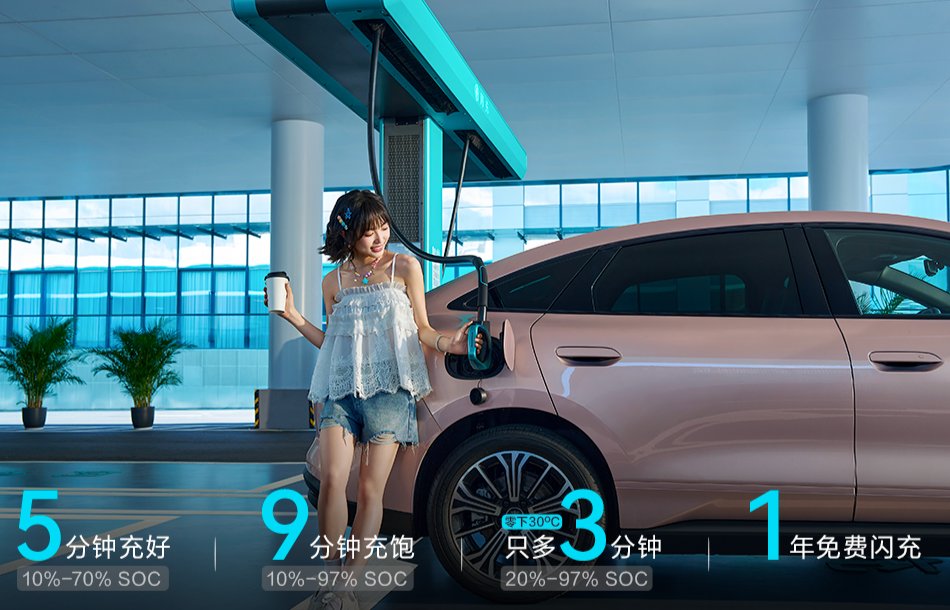
The EV version comes standard across the lineup with the second-generation Blade Battery and flash charging technology. The 530KM version is equipped with a 52.868 kWh battery and a 120 kW motor, accelerating from 0 to 100 km/h in 9.6 seconds; the 630KM version is equipped with a 64.315 kWh battery and a 240 kW motor, accelerating from 0 to 100 km/h in 5.9 seconds. The chassis adopts a front double-ball-joint MacPherson and rear five-link independent suspension.
The DM-i version is equipped with a combination of a 1.5L engine and an electric motor, with the engine producing a maximum power of 74 kW and the motor a maximum power of 175 kW. The 230KM version has a battery capacity of 25.287 kWh and an NEDC fuel consumption of 2.59 L/100km with depleted battery; the 320KM version has a battery capacity of 34.275 kWh and an NEDC fuel consumption of 2.75 L/100km with depleted battery. The fuel tank capacity is 65 L for both. The chassis adopts a front MacPherson and rear multi-link independent suspension.
Xiao Tang's View: The 9 models of the Qin MAX form a clear hierarchy. The Leading models cover basic travel needs at a lower price, the Beyond models add frequently used comfort and intelligent driving functions, and the Excellence models concentrate advanced features such as DiSus-C, a large screen, and massage seats. This strategy allows consumers with different budgets to find relatively matching options. In terms of powertrains, two approaches are offered: the DM-i version focuses on long-distance travel without anxiety, and even without convenient charging conditions, its published fuel consumption figures are relatively friendly; the EV version, meanwhile, attempts to alleviate a major pain point of pure electric models in charging speed through flash charging technology.


