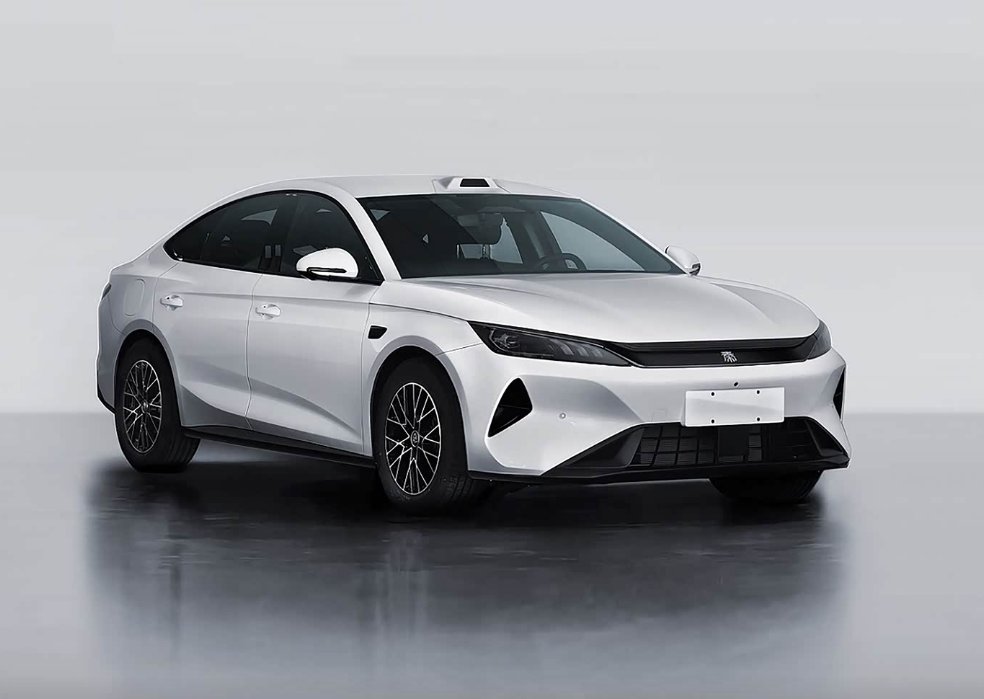
BYD has once again given the Qin PLUS something new.
A few days ago, the official images of the third-generation Qin PLUS were officially released.
From the information released so far, the new car's overall stance is more elongated and elegant, with the body length reaching 4840mm and the wheelbase also reaching 2800mm.
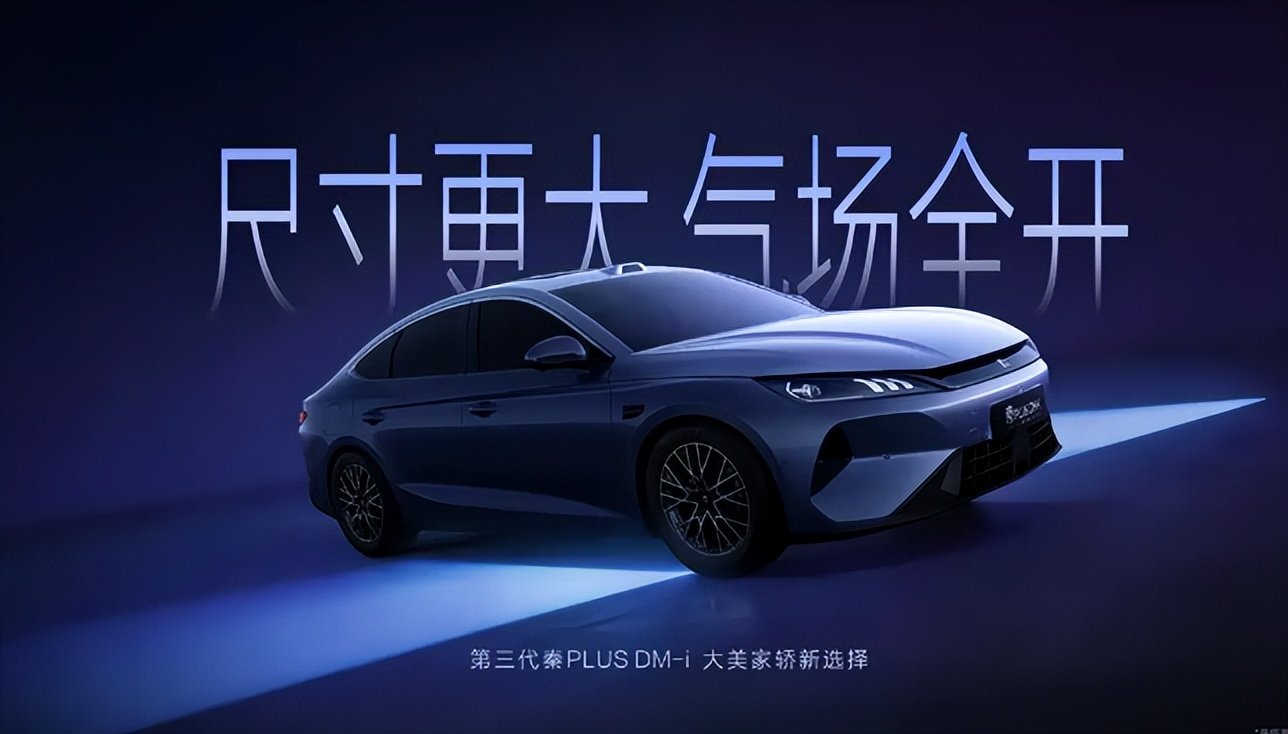
Another noteworthy point is that this time the new car can be optioned with a roof-mounted LiDAR, and it is expected to officially go on sale in late October.
To be honest, looking at this set of body dimensions, I, Xiao Ba, think that what's most worth discussing about the Qin PLUS this time may really not just be that the exterior has become prettier, but that it is preparing to continue making efforts in the two directions of space and intelligent driving assistance.
Let's look at the appearance first.
The all-new Qin PLUS DM-i adopts BYD's latest family design language, and the headlights are made relatively narrow and long, giving a stronger visual impact.
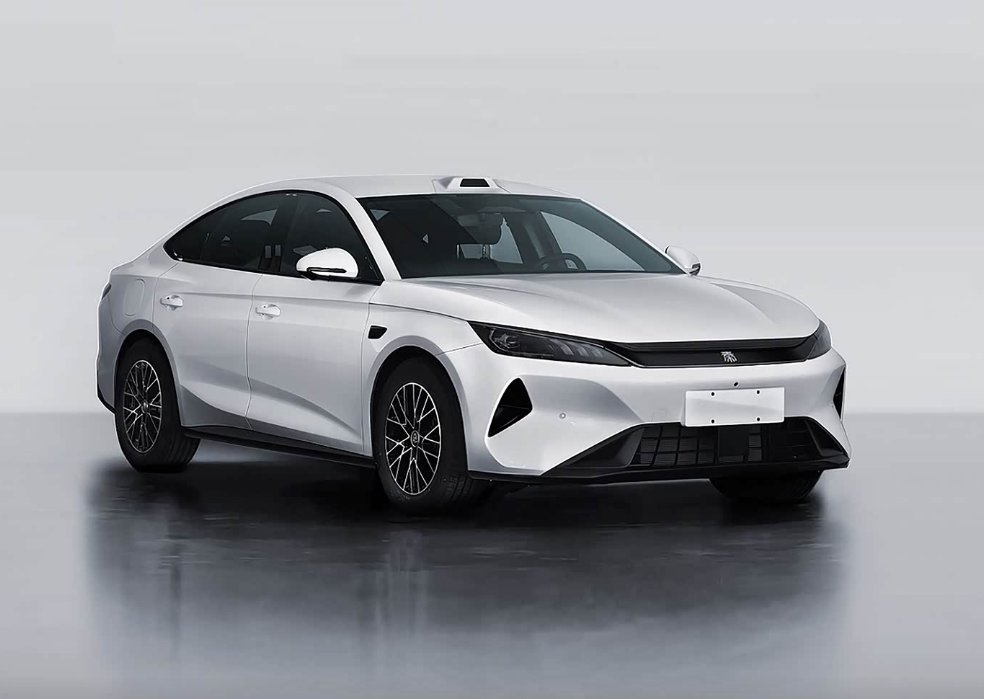
The lower air intake also features shapes similar to air ducts on both sides, carrying a bit of a sporty flavor and not looking too plain.
Of course, appearance is a matter of opinion, and whether you like it or not still depends on seeing the actual car.
But judging from the official images, the new car's overall lines are indeed more stretched out, and at least visually, it does not single-mindedly pursue the steady and conventional feel of a traditional family sedan.
However, what is truly worth a second look is still that LiDAR on the roof.
In the past, when people talked about the Qin PLUS, they focused more on plug-in hybrid, fuel consumption, and daily running costs.
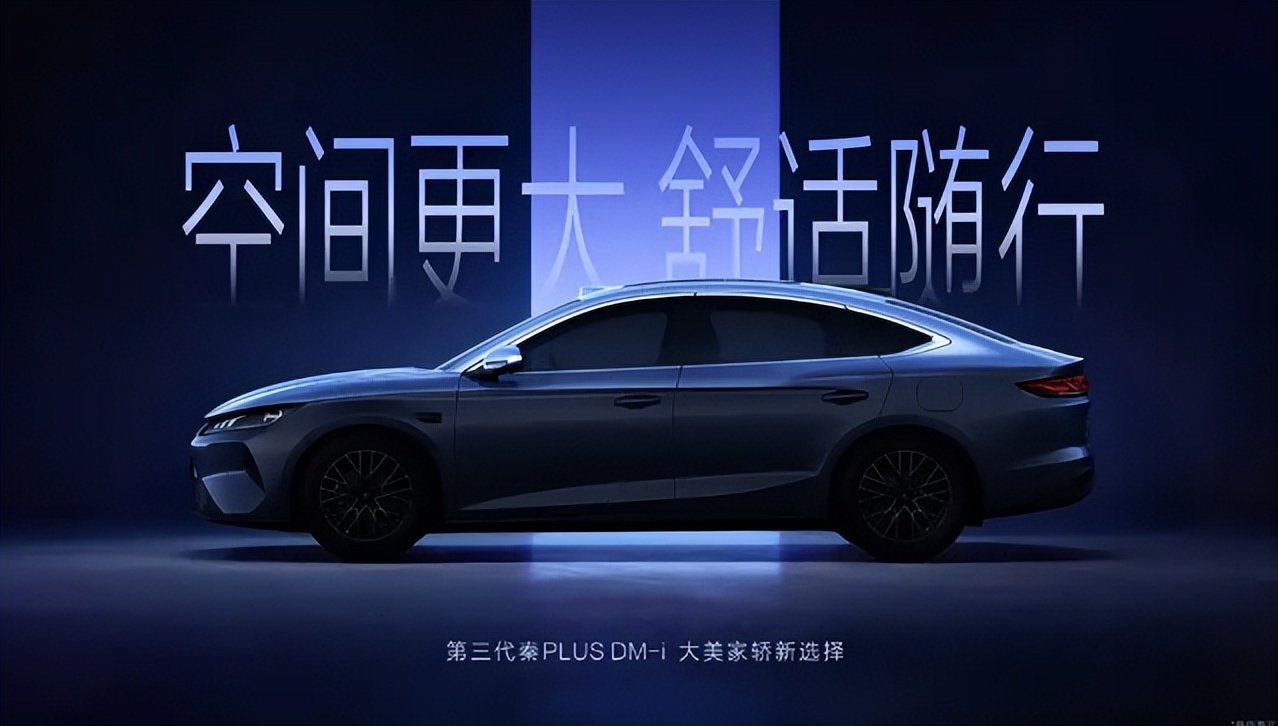
This time, with the roof-mounted LiDAR entering the optional range, it shows that the new car also has new highlights in intelligent driving assistance.
But here I, Xiao Ba, must make it clear that having LiDAR does not mean the actual intelligent driving capability is necessarily strong.
Exactly which assisted driving functions are supported, how the system performs, and what the differences are between different configurations still require further information.
Personally, I think this part is worth looking forward to, but for now there is no need to rush to conclusions.
Looking next at the body dimensions, the changes this time are also quite noteworthy.
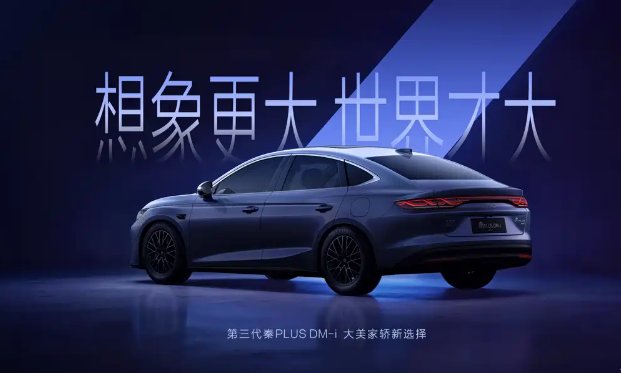
The new car's length, width, and height are 4840mm, 1900mm, and 1498mm respectively, with a wheelbase of 2800mm.
The front and rear track are both 1620mm, the front overhang is 978mm, the rear overhang is 1062mm, the approach angle is 13°, and the departure angle is 14°.
Looking at this set of data alone, the body length and wheelbase already show fairly intuitive numerical results.
However, everyone should not just stare at the dimension sheet. How much the body length increases is one thing, but whether it actually feels spacious inside, how the rear legroom is, and whether the seats are comfortable are another matter.
Especially for family sedans, when picking up family members in daily life or taking the whole family out on weekends, the rear-seat experience is often more substantial than those slight changes in appearance.
As for how the all-new Qin PLUS actually performs in terms of passenger experience, we still have to wait until we experience the real car before discussing it.
In addition, the new car's curb weight is 1520kg, the gross weight is 1915kg, and the top speed is 180km/h.
Tires are offered in two specifications, 215/65 R16 and 215/60 R17, which should correspond to different configuration versions, and the exact pairing still needs further confirmation.
In terms of power, the all-new Qin PLUS continues to use a plug-in hybrid system.
The fuel part is equipped with a 1.5L naturally aspirated engine with the model BYD472QC, produced by BYD Auto Co., Ltd., with an engine power of 74kW.
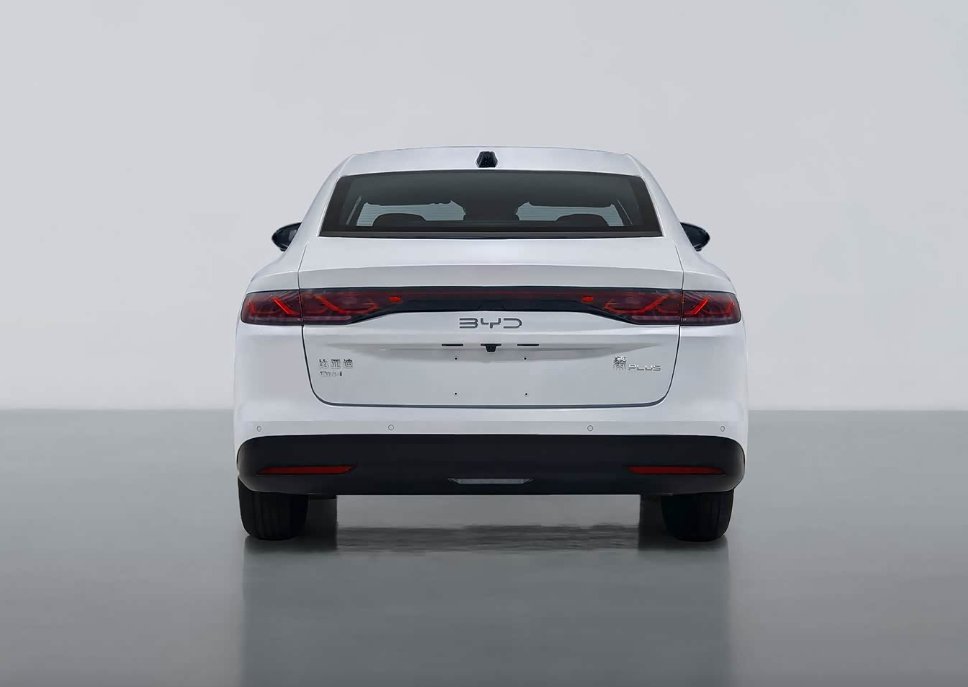
The electric drive part uses a permanent magnet synchronous drive motor with the model TZ210QYA, a peak motor power of 120kW, and a rated power of 55kW.
The battery is offered in two specifications, 16.227kWh and 24.337kWh, both being lithium iron phosphate batteries, with corresponding pure electric ranges of 107km and 160km respectively.
Among this set of data, I think the more noteworthy one is the 160km pure electric range version.
For families whose daily commuting distance is not too long and who have charging conditions, the longer the pure electric range, the more opportunities there are to reduce fuel consumption in daily use.
Of course, how far it can actually run will still be affected by driving habits, road conditions, temperature, and other factors, and the nominal range cannot be directly treated as a number that can be achieved every day.
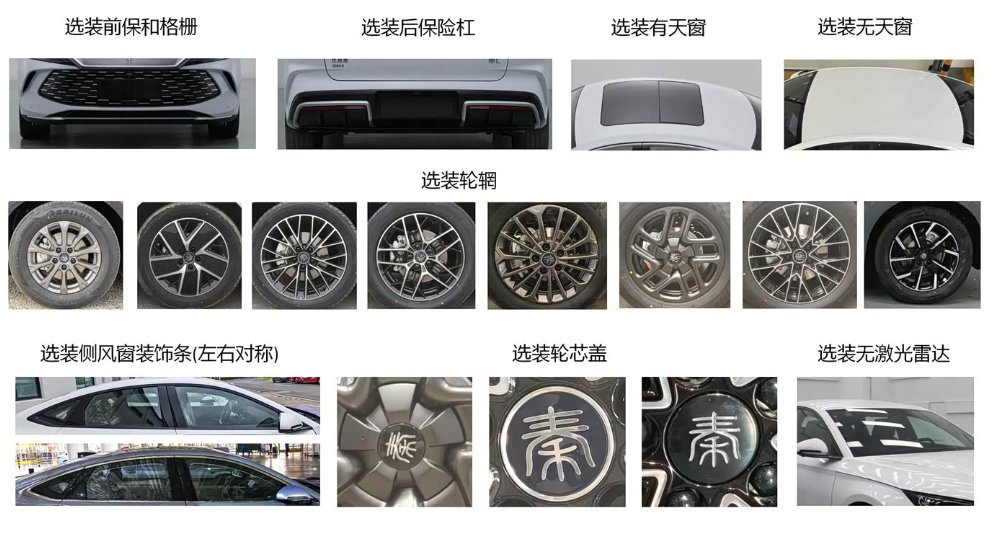
As for the other 107km range version, it also has its own applicable scenarios.
How to choose specifically still depends on daily commuting distance, whether charging is convenient, and the final price difference between the two versions.
That said, the third-generation Qin PLUS has revealed quite a lot of information this time, but the things that truly influence consumers to place orders have not yet all been disclosed.
A body length of 4840mm, a wheelbase of 2800mm, plus the optional roof-mounted LiDAR and two pure electric range versions, at least show that this car has several changes worth continuing to follow.
It's just that how much the new car will ultimately sell for, how the different configurations are divided, and which functions the LiDAR corresponds to are key questions that still await follow-up news.
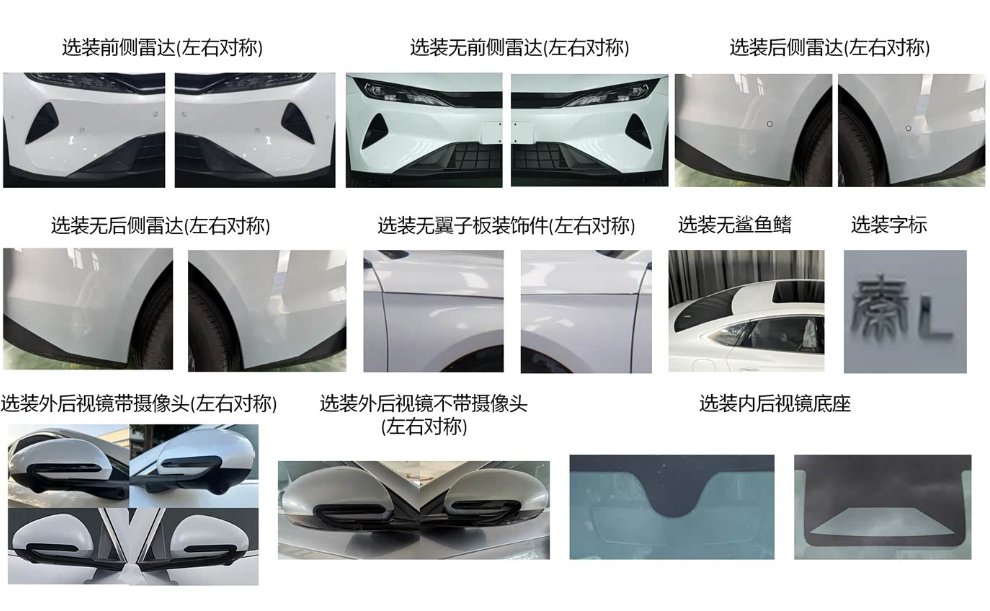
I believe the Qin PLUS itself already has a fairly clear family-oriented positioning, and if this time it can properly handle the relationship among space, daily driving experience, and intelligent driving assistance, it will indeed have the opportunity to offer consumers more choices.
But we cannot speak too absolutely. Added configurations are one thing, and whether the price is appropriate is another.
It is expected to go on sale in late October, and next we will see how BYD announces the specific configurations and prices.
Brothers and sisters, do you think what is most worth paying attention to about the third-generation Qin PLUS this time is the 2800mm wheelbase or the roof-mounted LiDAR?


