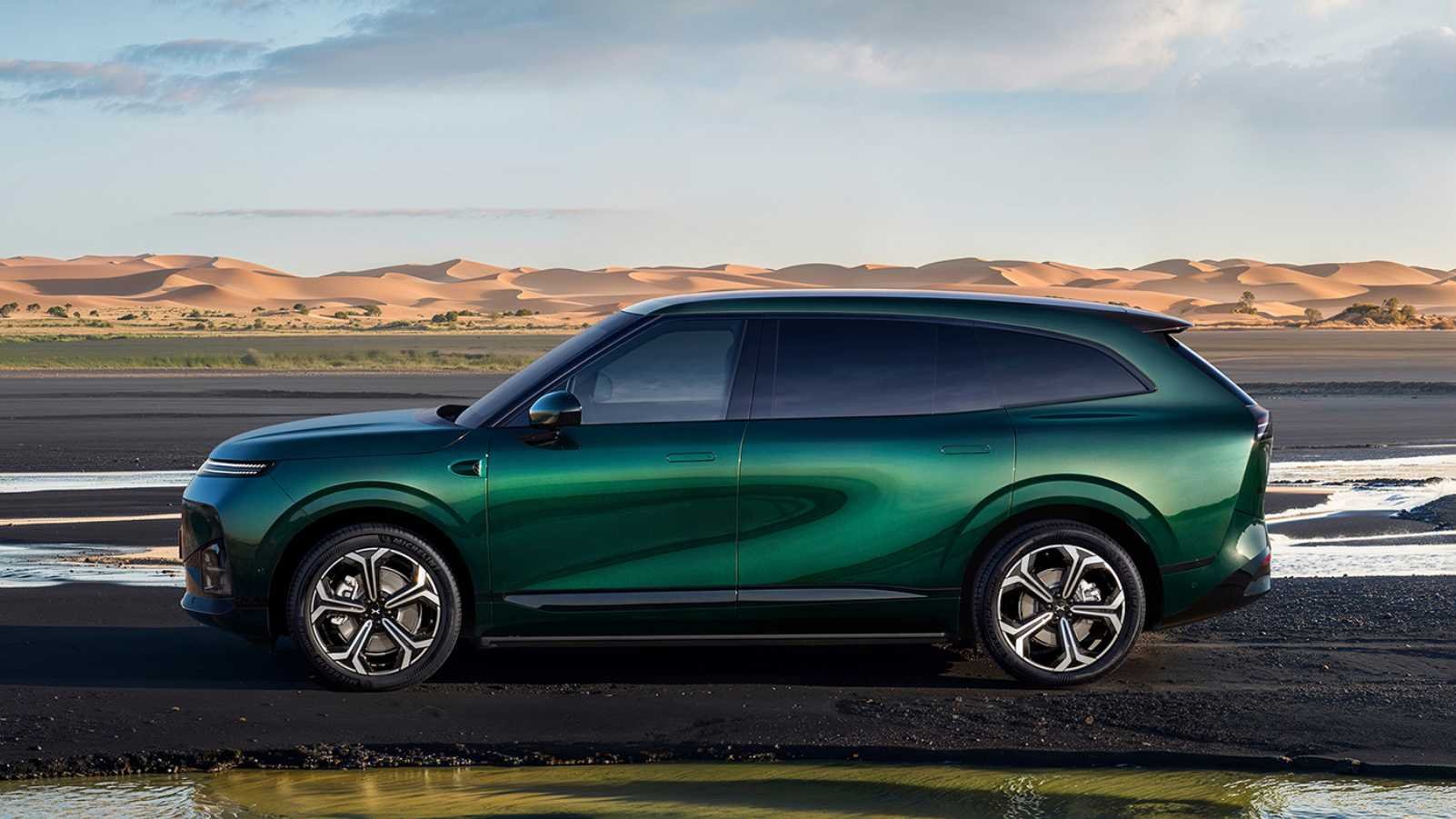
From the perspective of product strength, the G9L's core strategy is very clear: to establish differentiated advantages in the 300,000-yuan-class large five-seat SUV market with class-leading space and flagship configurations. Sharing the same core technology base with the XPeng GX means that it aligns with XPeng's current flagship standards in dimensions such as the three electric systems and safety.
In terms of body dimensions, a vehicle length of 5120mm and a wheelbase of 3100mm bring an axle-length ratio of 0.605, not only leading direct competitors such as the Li L7 (wheelbase 3005mm) and AITO M7 (wheelbase 2820mm) in specifications, but the measured 252mm rear knee room also fulfills the promise of a "large five-seat" layout. Even with five passengers onboard, the trunk can still hold 14 20-inch suitcases, which is a tangible attraction for family users.
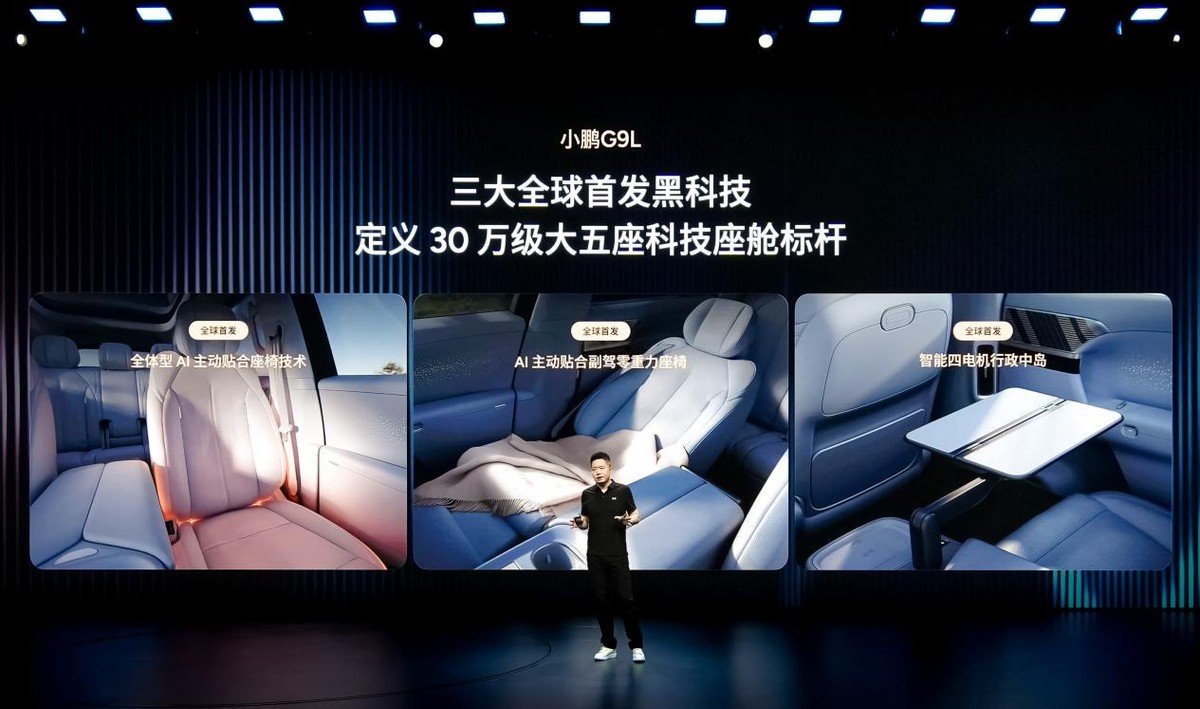
What truly sets the G9L apart from ordinary large five-seat SUVs is its stack of "black technology" features built around family scenarios. The world's first full-body-type AI active fitting seat technology actively adapts to different body types through built-in pressure sensors and airbags, solving the traditional seat adaptation problem of a "one-size-fits-all" approach. The front passenger zero-gravity seat also integrates dual pre-tensioning force-limiting seat belts and an anti-submarining airbag, attempting to strike a balance between comfort and safety. Meanwhile, the intelligent four-motor executive center console, 21.4-inch 3K eye-protection entertainment screen, 33-speaker audio system, and front and rear seats that can be turned into a bed with one touch all point to a clear goal: making this car a "mobile executive cabin" for family travel. These configurations are not a simple pile-up of functions, but precise responses to specific pain points such as poor adaptability of traditional car seats, insufficient rear-seat entertainment, and cluttered storage.
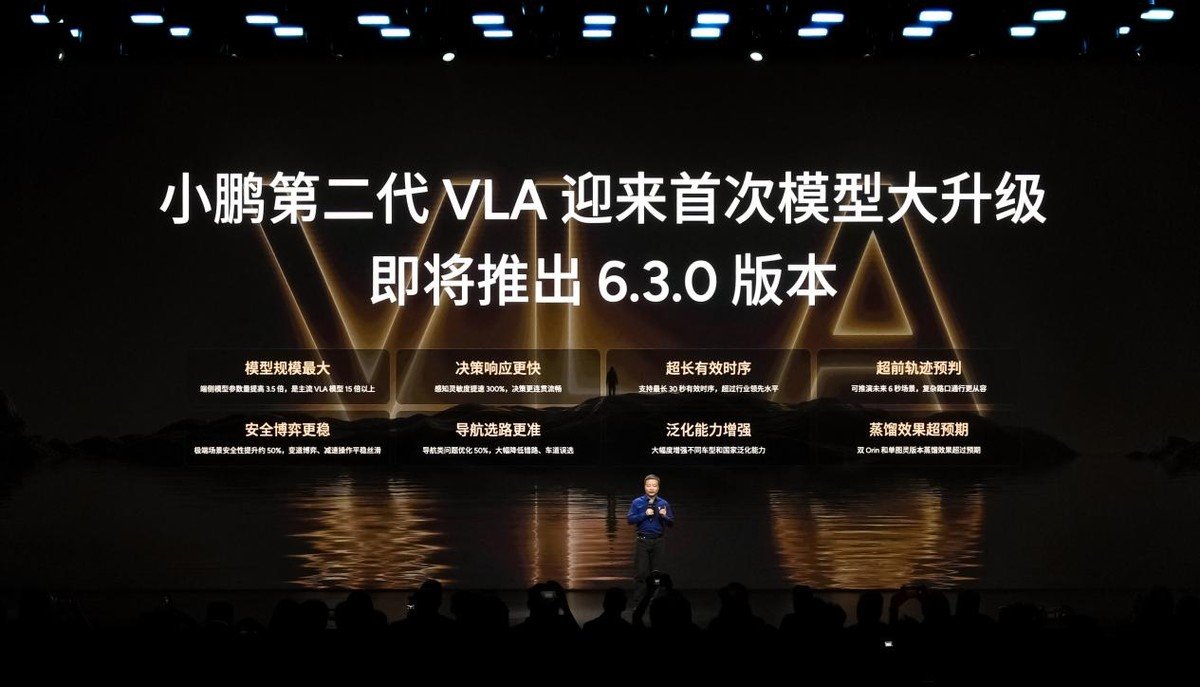
In terms of intelligent technology, which consumers increasingly care about, the G9L announced that the second-generation VLA intelligent driving system will receive its first major version upgrade to 6.3.0, with the number of parameters in the on-device model increasing 3.5 times, and for the first time realizing VLA+VLM cockpit-driving integration, bringing some Robotaxi L4-level experiences down to consumer vehicles, such as roaming in parking lots to find a parking space and voice-activated pull-over parking. This may be its long-term advantage compared with the Li L7 and AITO M7—after all, although the latter two's intelligent driving systems each have their own strengths in current implementation maturity, the G9L's forward-looking hardware pre-embedding (2250TOPS computing power) and model architecture leave greater room for imagination for subsequent OTA updates.
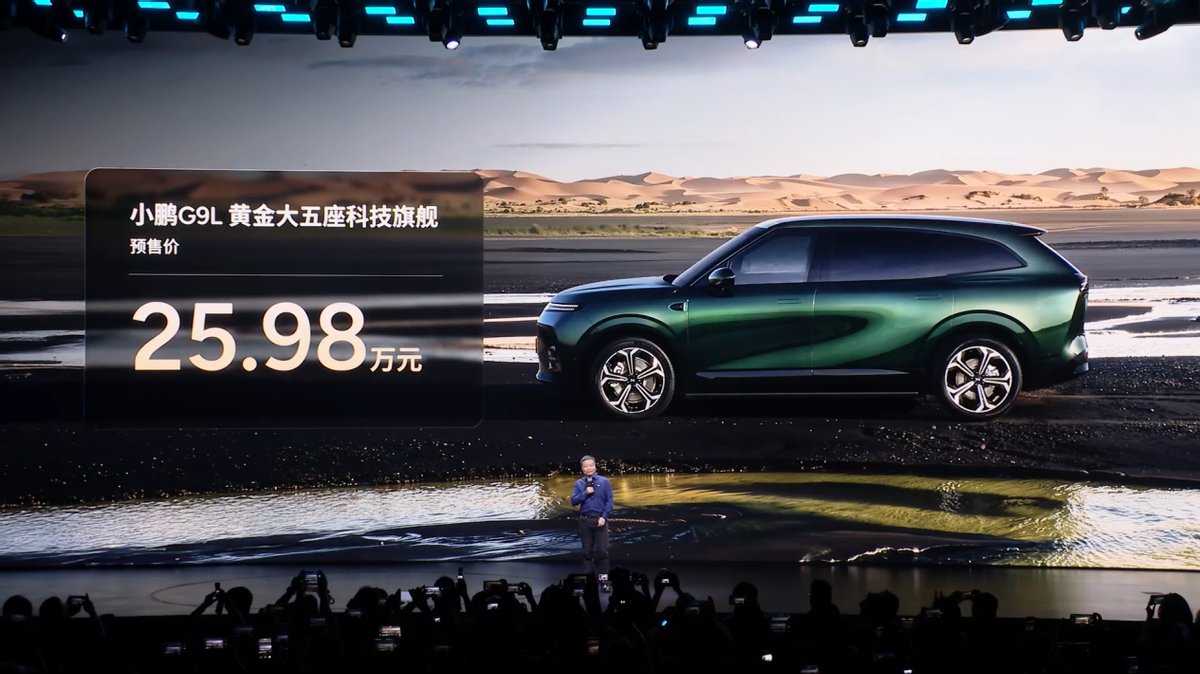
Of course, the challenges facing the G9L are equally realistic. Although the pre-sale price of 259,800 yuan is impactful, consumers will ultimately vote with orders, comparing it with the family reputation already established by the Li L7 and the HarmonyOS ecosystem stickiness of the AITO M7. The G9L needs to prove through actual delivery experience that innovative configurations such as the AI active fitting seats and intelligent center console are not gimmicks, but reliable functions that can truly improve the happiness of daily vehicle use.


