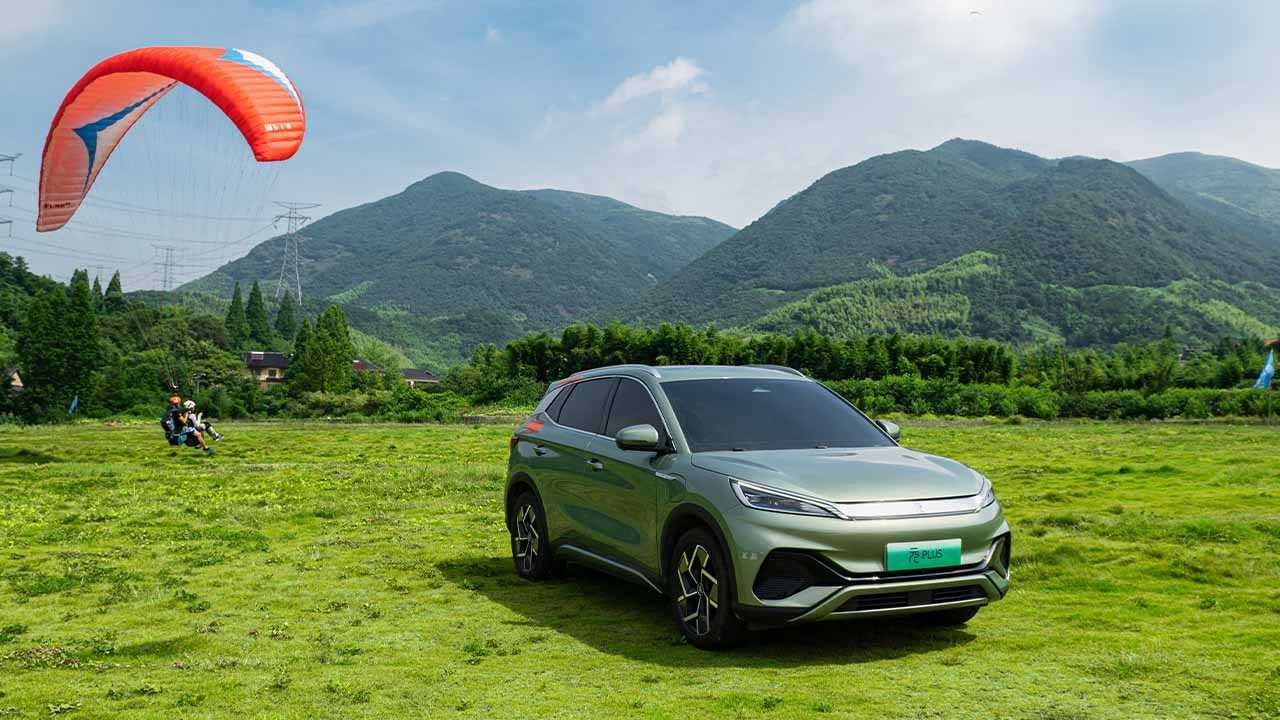
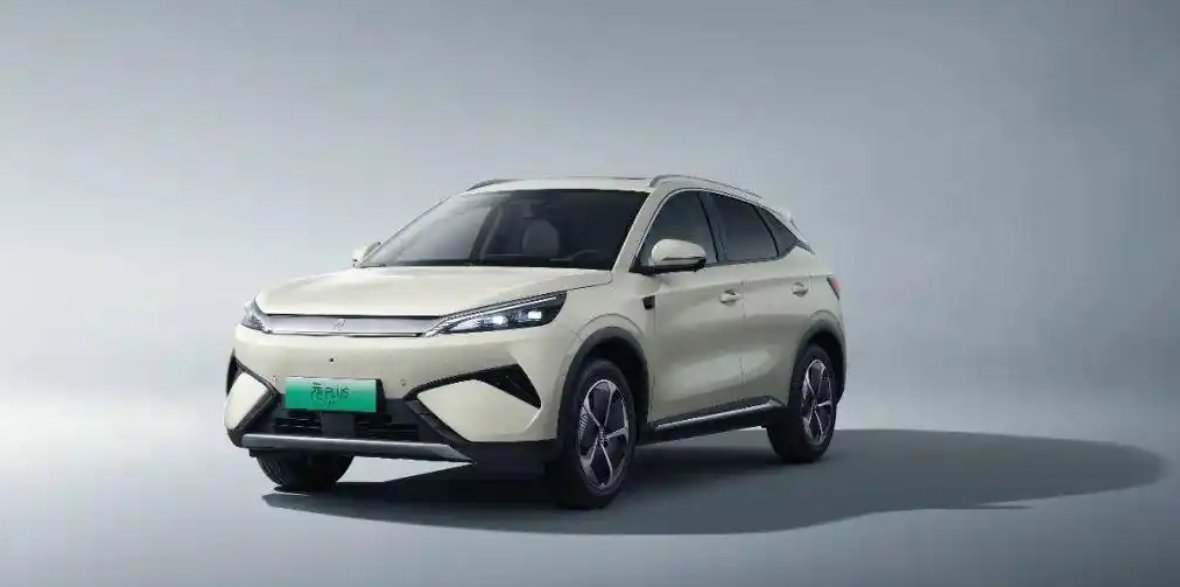
【Auto Media丨Review】When choosing an A-segment small car, the Yuan PLUS seems like a pretty good choice. As the mainstay model of BYD's Dynasty Network, the Yuan PLUS Smart Driving Edition continues the family's "Dragon Face Aesthetics" language in its exterior, but the details appear more youthful and tech-oriented. The front fascia uses a flattened silver trim strip running through the headlight clusters on both sides, paired with a parametric gradient grille design, presenting a digital aesthetic. The through-type taillight at the rear has been upgraded to a "Chinese knot" light source, offering extremely high recognizability when lit at night, and together with the aerodynamically optimized 18-inch wind-breaking wheels, it subtly blends sportiness and technology.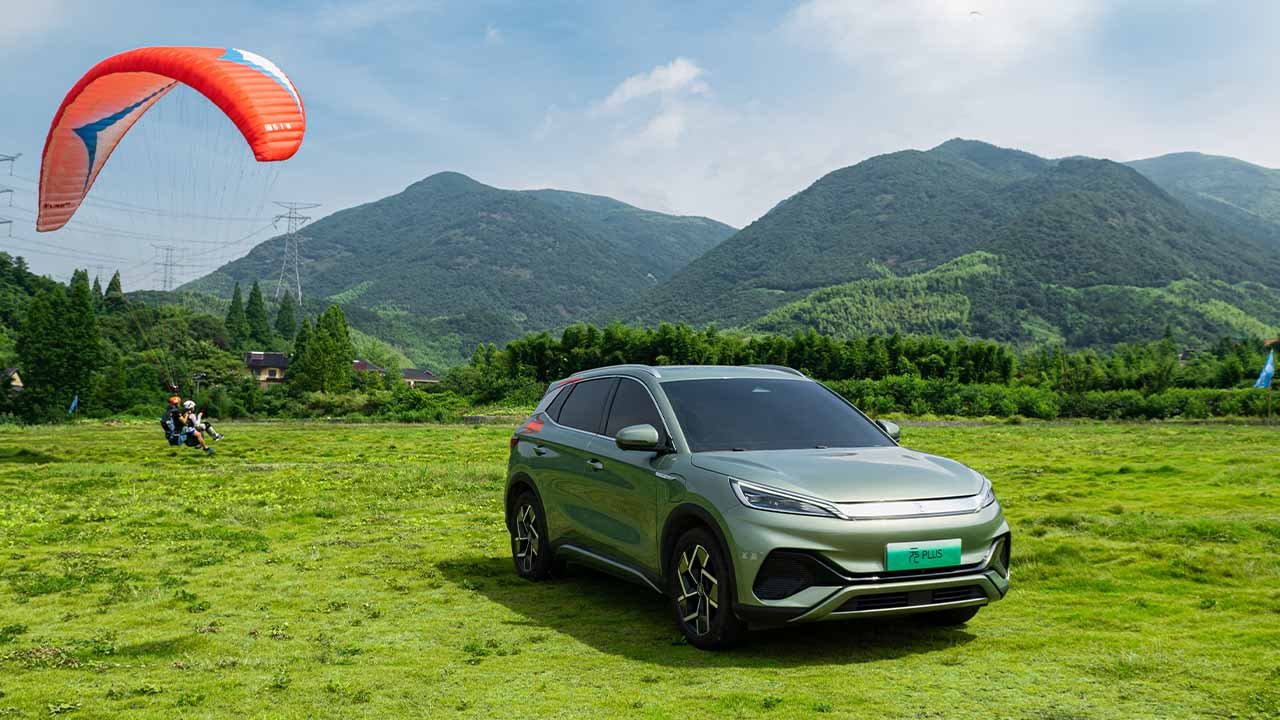
The body dimensions remain 4455×1875×1615mm, with a wheelbase of 2720mm. The side lines are simple and smooth, and the newly added chrome side skirt trim and C-pillar chamfer design further strengthen its fashionable character. It is worth mentioning that the Smart Driving Edition adds multiple cameras and radars around the body, but the overall styling does not look bloated because of the sensor layout, demonstrating BYD's ability to balance engineering and aesthetics.
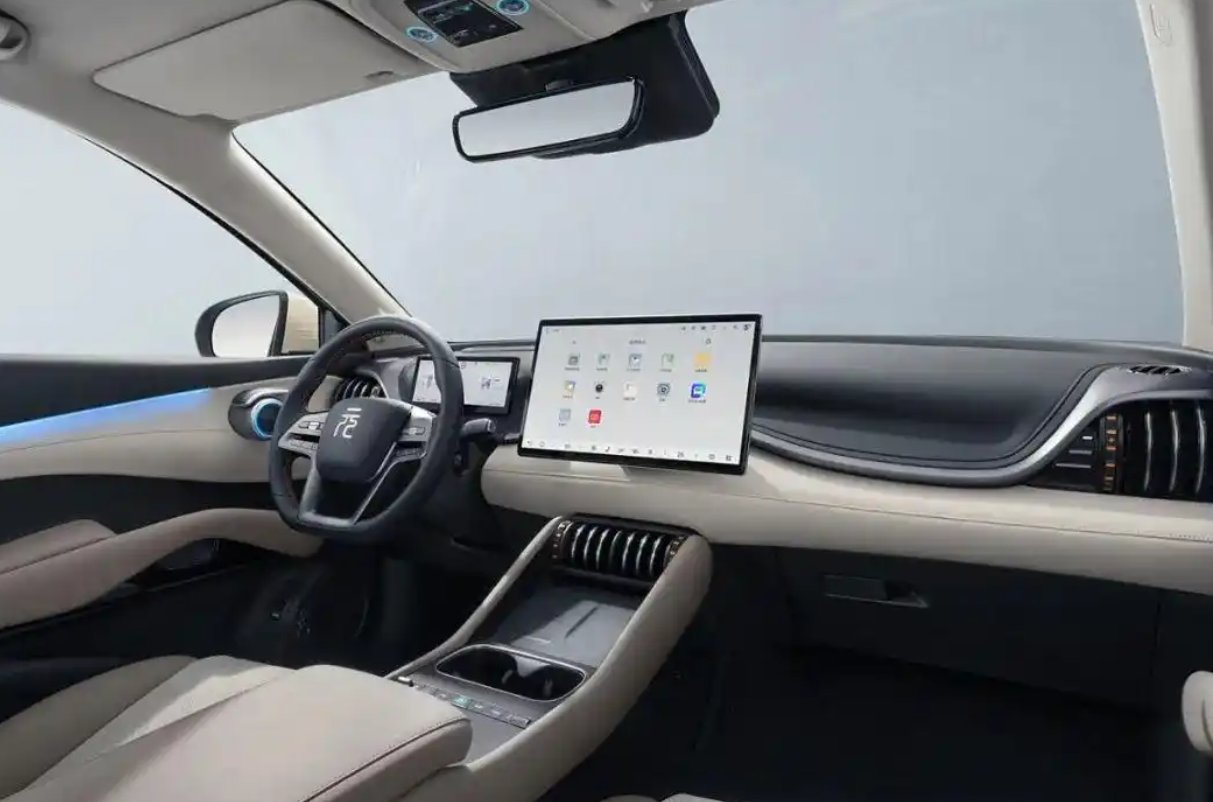
Opening the door, the impact brought by the interior upgrade far exceeds expectations. The two-tone combination of twilight gray and light luxury beige, together with extensive soft-touch wrapping, completely gets rid of the plastic feel commonly found in A-segment cars. The most eye-catching feature is undoubtedly the segment-exclusive smart in-car refrigerator, which supports temperature control from -6℃ to 50℃ and, in actual testing, can hold 6 cans of beverages, maximizing practicality for long trips.
The newly designed D-shaped steering wheel integrates smart driving paddles, and together with the electronic column shifter, frees up space in the center console area. The 15.6-inch floating central control screen (on higher trims) is equipped with the DiLink 100 system. In actual testing, voice wake-up response takes only 400ms, and it supports four-zone recognition and the "visible and speakable" function. During the test drive, a command like "Open the driver's window 25% and play Jay Chou" was executed precisely, showing that its semantic understanding is already close to the level of human interaction.
The "nap mode" designed for urban white-collar workers is a major highlight: after one-touch activation, the seat automatically reclines to 125°, and with the multicolor rhythmic ambient lighting and soft-light makeup mirror, the cabin is instantly transformed into a mobile lounge. This scenario-based design thinking breaks away from the conventional approach of simply piling on features.
The "God's Eye C - Advanced Smart Driving Tri-camera Edition," standard across the entire lineup, is the core of this upgrade. On the hardware level, it includes 3 front-view cameras, 5 millimeter-wave radars, and 12 ultrasonic radars, totaling 29 sensors, building a 360° perception network. In actual experience, the highway and expressway navigation function performs stably on large-curvature bends at highway ramps, and the system's preview time for vehicles cutting in from adjacent lanes is about 0.3 seconds faster than similar products.
The progress in parking scenarios is even more significant. Through the BEV+Occupancy algorithm, the vehicle can automatically identify complex parking spaces. In actual testing in a parallel parking spot only 30cm wider than the car, the system successfully parked after four adjustments, taking about 40% less time than manual operation. The remote parking function shows unique value in narrow spaces, with mobile APP control precision reaching the centimeter level.
On the safety protection level, the DMS driver monitoring system uses infrared imaging technology. It can not only identify fatigue states such as closed eyes and yawning, but also detect dangerous behaviors such as smoking and one hand off the steering wheel. CPD child presence detection achieves a 99.9% detection rate through vital-sign radar. If a living being is detected in the rear seats after locking, it will immediately trigger an audible and visual alarm and send an SMS reminder.
The powertrain continues the current model's 150kW single motor. A 0-100km/h time of 7.3 seconds is not aggressive in the electric era, but its strength lies in linear output. During the test drive, the accelerator response in Standard mode leaned toward comfort tuning, while after switching to Sport mode, the pushback sensation increased noticeably, suiting users with different driving habits. The equipped Blade Battery provides two CLTC range options of 430km/510km. In actual testing under urban conditions (A/C at 24℃, 3 passengers), the range achievement rate was about 92%, and fast charging from 30% to 80% takes only 30 minutes.
The chassis tuning leans toward home-use comfort. It filters out bumps cleanly when facing continuous speed bumps, but body roll is somewhat noticeable during high-speed cornering. This setup matches its positioning as a family car; after all, not every user needs track-level handling.
Editor's comment: With a starting price of 115,800 yuan, it still comes standard with advanced smart driving, an intelligent cockpit, 7 airbags, and other features. Compared horizontally with competitors in the same segment, models with the same level of configuration are generally 20,000-30,000 yuan more expensive. Through vertical supply chain integration, BYD has reduced the BOM cost of the smart driving system by more than 40%. This "technology equalization" strategy not only squeezes the joint-venture fuel vehicle market, but even makes the premium logic of some new-force brands difficult to sustain.


