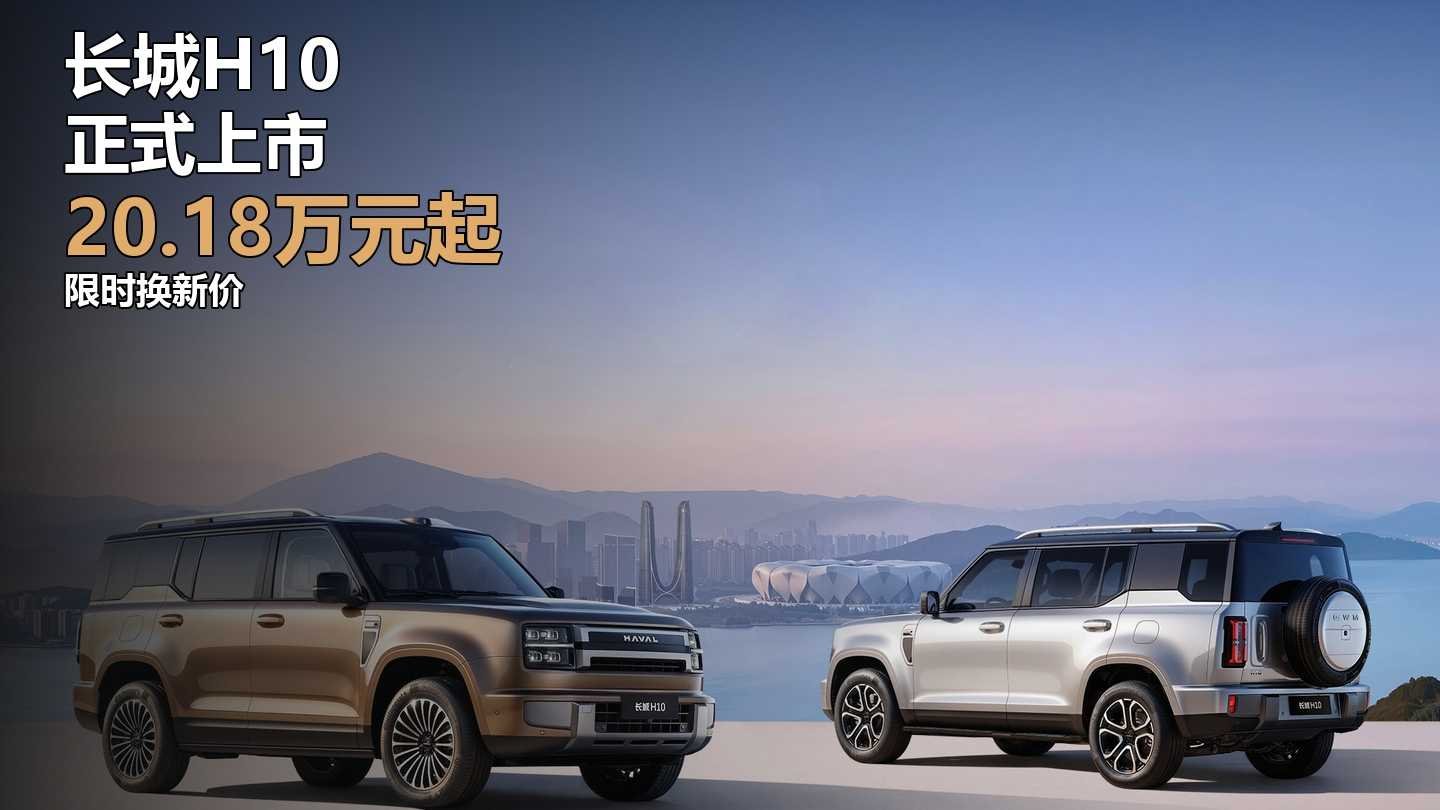
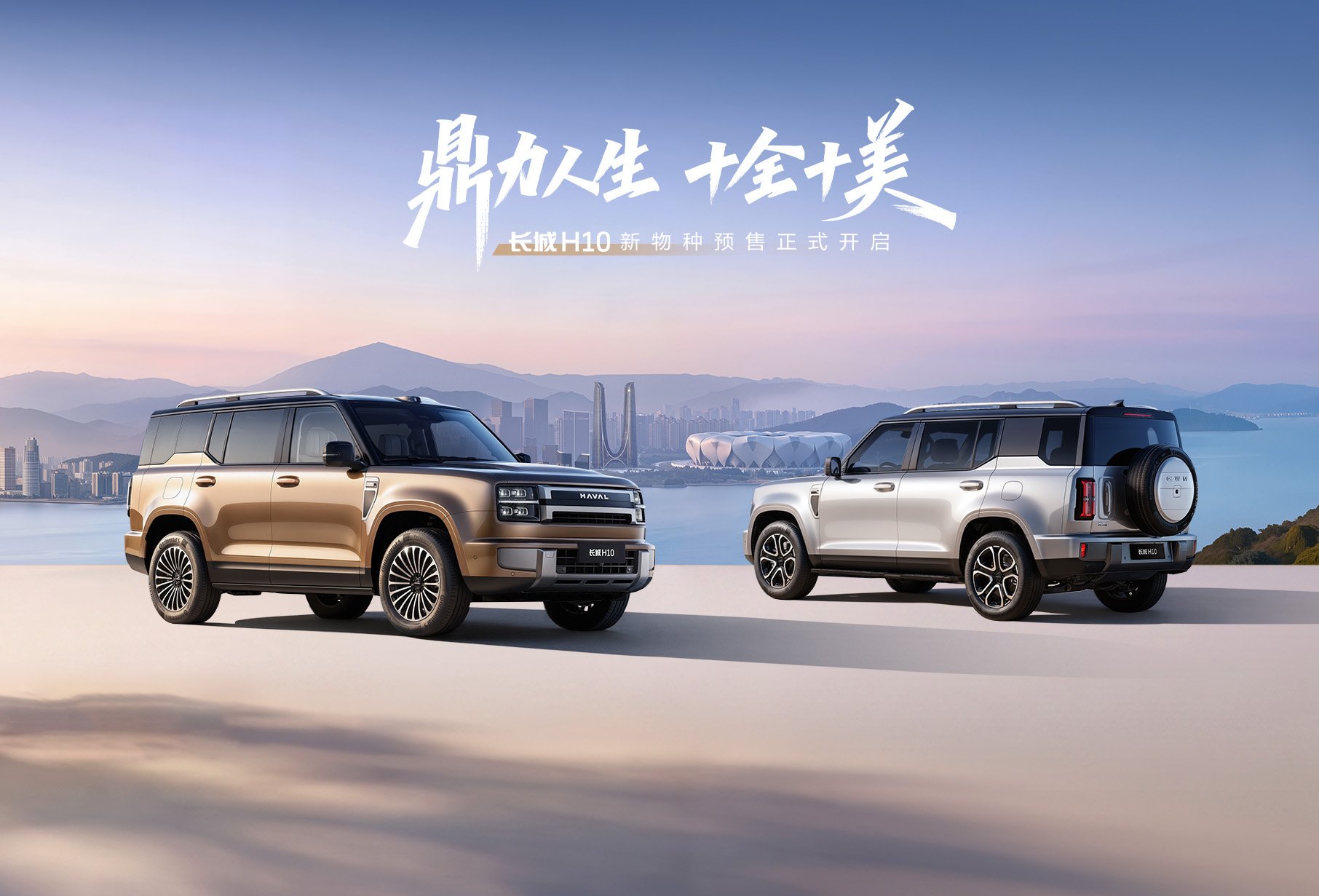
The Great Wall H10 has officially launched, with a limited-time trade-in price starting at 201,800 yuan. For consumers, this price is not simply lowering the pre-sale threshold, but directly placing a large boxy SUV over 5.1 meters long, with a 3000mm wheelbase, offering five-seat and six-seat layouts, and equipped with a plug-in hybrid four-wheel-drive system, into the choice range of mainstream family SUVs in the 200,000-yuan class.
The most noteworthy thing about the Great Wall H10 is not "how far it looks like it can go," but whether it can simultaneously do well in boxy styling, large space, low daily cost, and long-distance adaptability. It adopts a unibody structure, and its product focus remains urban commuting, multi-person travel, and light outdoor use, rather than sacrificing ride comfort and energy consumption with the logic of a traditional hardcore off-road vehicle.
After the price drop, what is the real competitiveness
From the pre-sale stage to launch, the entry trade-in price has reached 201,800 yuan, and the H10's price anchor has shifted from "brand flagship" to "a large car families can afford." This change will directly affect purchase decisions: consumers no longer have to repeatedly choose between a high trim of an ordinary mid-size SUV and a low trim of a large six-seat SUV. The H10 differentiates itself with a larger body, plug-in hybrid four-wheel drive, and relatively complete intelligent hardware.
However, the limited-time trade-in price is usually related to trade-in eligibility, purchase timing, and specific versions. When choosing a car, the actual transaction price, financing costs, insurance, options, and returns from disposing of the old car should be compared on the same list. Looking only at the lowest number in advertising can easily lead to overlooking the final on-road cost.
Behind the boxy styling are two family space solutions
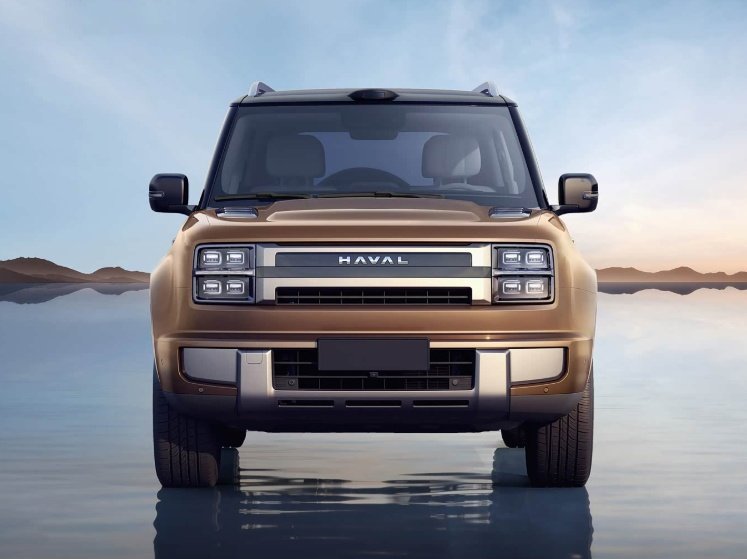
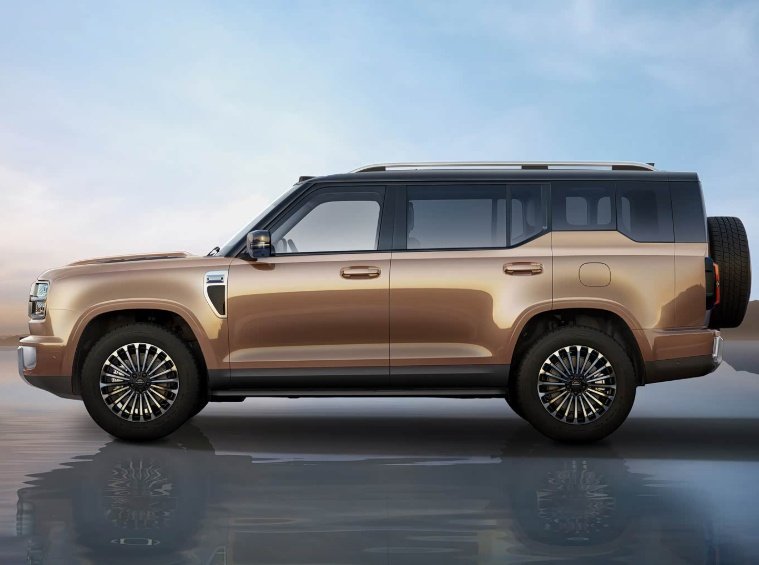
The H10 adopts a "square ding aesthetics" design, with a flat roof, wide and thick D-pillars, and a nearly vertical rear end creating a strong sense of volume. The five-seat version is 5138mm long, the six-seat version is 5299mm long, the width is 2050mm, and the wheelbase is 3000mm for both. The large dimensions give it a more complete rear-seat and storage foundation, but also mean that parking spaces in old residential communities, mechanical parking spaces, and narrow underground garages will become real usage thresholds.
The five-seat version is suitable for families that usually travel with only four to five people. Its advantage is not having two fewer seats, but that there is no third-row folding mechanism interfering between the second row and the trunk, making it easier to combine strollers, camping boxes, pet crates, and large luggage. The six-seat version adopts a 2+2+2 layout, and the central aisle in the second row makes it convenient for elderly people and children to enter the third row, suitable for three-generation households or two-child families with frequent full occupancy.
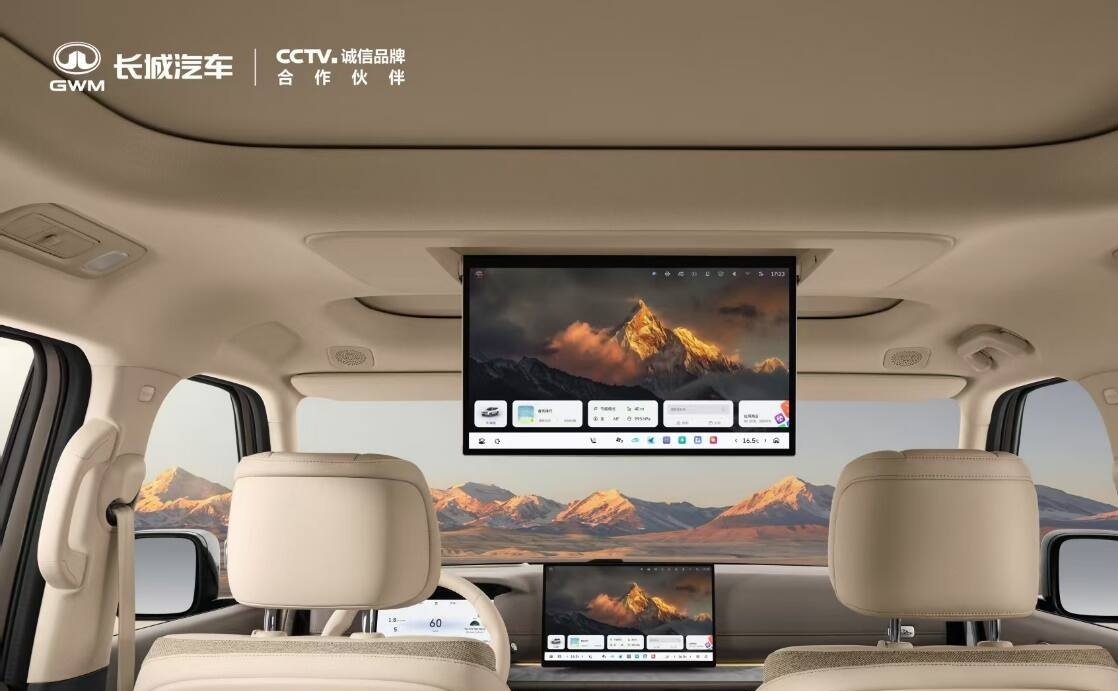
The way to judge is simple: if the third row is used every week, only the six-seat version has long-term value; if the third row is used only a few times a year, the five-seat version is usually more comfortable and easier to load. Do not carry the longer body and more complex space folding over the long term just for "two more seats."
The significance of Hi4 is not just a 4.9-second acceleration
The Great Wall H10 is equipped with a Hi4 plug-in hybrid system composed of a 1.5T engine and front and rear dual motors, with a combined system power of 440kW and a zero-to-100 acceleration of up to 4.9 seconds. For this type of large family SUV, what matters more is not how fast it starts at traffic lights, but whether it is从容 in high-speed re-acceleration with a full load, mountain climbing, and power distribution on slippery roads. Both the front and rear axles have electric drive capability, which also means four-wheel drive does not have to be a configuration enabled only during low-speed off-roading.
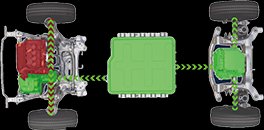
The 42.8kWh battery corresponds to a CLTC pure electric range of 232km for the five-seat version and 227km for the six-seat version, with fast charging from 30% to 80% taking about 15 minutes. When fixed charging conditions are available, daily commuting can rely more on pure electric power; for long trips, the engine and fuel tank serve as a fallback. Users without home charging need to focus on estimating the actual charging frequency, because large size, four-wheel drive, and high power do not naturally equal low energy consumption.
Chassis configuration should be purchased according to road scenarios
The H10 adopts front double wishbones and a rear five-link independent suspension, and the basic structure places more emphasis on lateral support and full-load stability for a large vehicle. Higher trims further provide EDC continuously variable damping shock absorbers, preview function, a rear axle electronically controlled mechanical dog-clutch differential lock, and electric side steps. The value of these configurations is clear: if you often drive on damaged roads, unpaved roads, or slippery winter roads, the upgrade will be more meaningful; if 90 percent of mileage is on urban expressways and highways, the Max version is usually already sufficient.
Do not test drive only on smooth roads. Focus on whether low-speed following is smooth, whether braking easily causes nose dive, whether the body settles cleanly after continuous undulations, and whether it is easy to complete a U-turn in an underground garage when the steering wheel is turned to full lock.
Cabin and driver assistance, family experience depends on the rear row
The Great Wall H10 is equipped with a 10.25-inch LCD instrument panel, a 15.6-inch 2.5K central control screen, and a 29-inch AR-HUD. Higher trims also provide a 17.3-inch rear entertainment screen, more speakers, and second-row ventilation, heating, massage, and leg rests. For six-seat users, what truly affects the long-distance experience is the second-row seat adjustment range, third-row cushion height, air-conditioning coverage, and luggage space with full occupancy, not the number of screens itself.
The Coffee Pilot 3 driver assistance system, combined with lidar, covers highways, urban navigation, and parking scenarios. It is especially valuable for a large SUV with a width of 2050mm: the high-frequency daily benefits often come from parking in narrow spaces, panoramic imaging, and reducing the burden of long-distance cruising. When using it, the driver must still maintain continuous observation; driver assistance cannot replace driving responsibility.
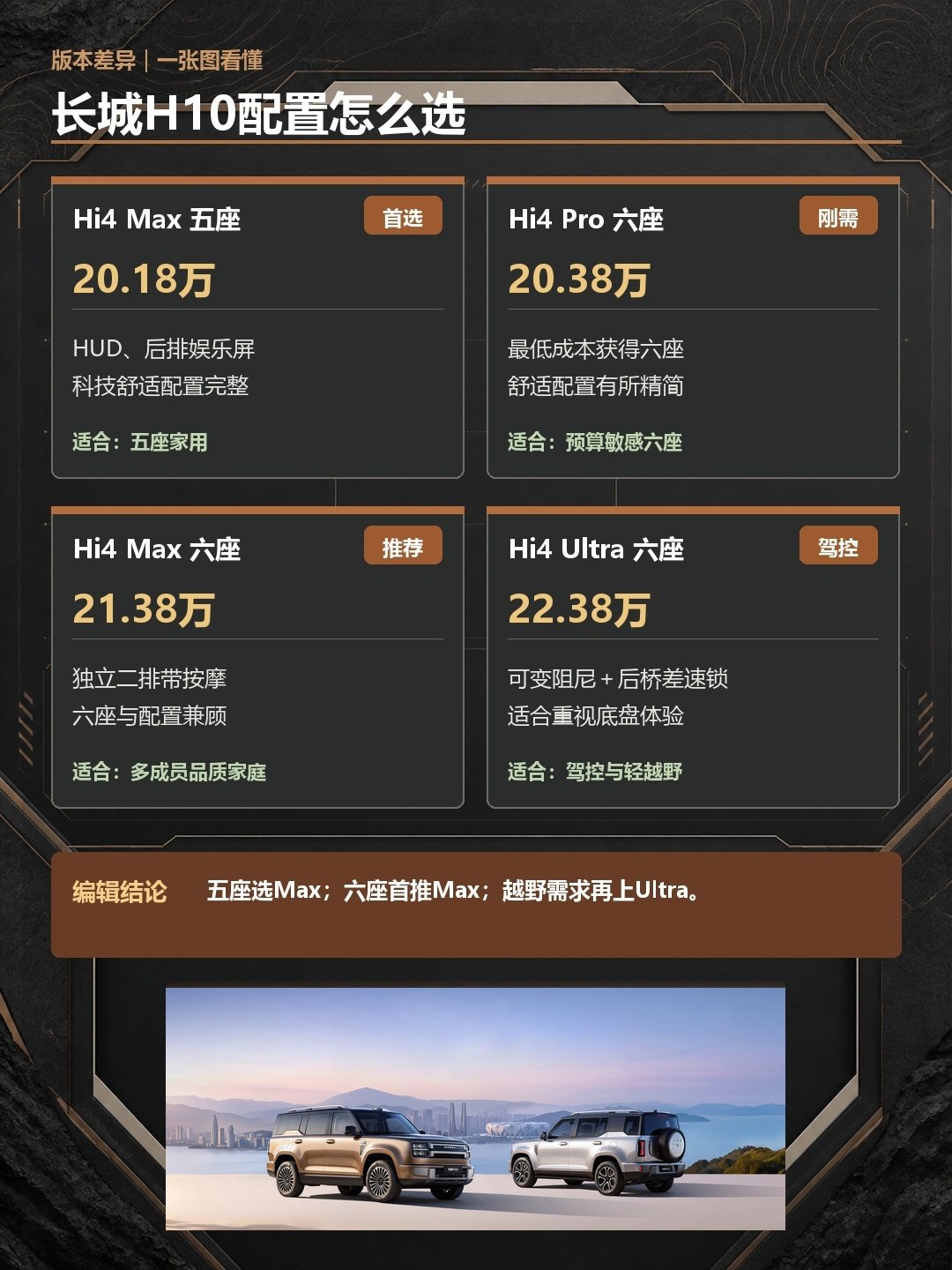
How to choose among the four versions
The Hi4 Max five-seat version has a limited-time trade-in price of 201,800 yuan and is the comprehensive first choice for most families. It is suitable for users who do not urgently need a third row and value loading capacity and configuration completeness.
The Hi4 Pro six-seat version is 203,800 yuan, obtaining a 2+2+2 layout for a relatively low premium, suitable for families with a tight budget but a firm need for six seats. Its trade-off is that rear-seat comfort and entertainment configurations are relatively basic.
The Hi4 Max six-seat version is 213,800 yuan and is the version six-seat users should prioritize. The added second-row comfort, rear entertainment, and convenience configurations are more likely to be felt every day in three-generation households and long-distance travel than pure performance parameters.
The Hi4 Ultra six-seat version is 223,800 yuan, with its main value in equipment such as active suspension, rear axle differential lock, brand tires, and electric side steps. It is suitable for users with more complex road conditions who value chassis texture and light off-road capability, and is not the default answer for urban families.
Among competitors in the same class, how should the H10 be compared
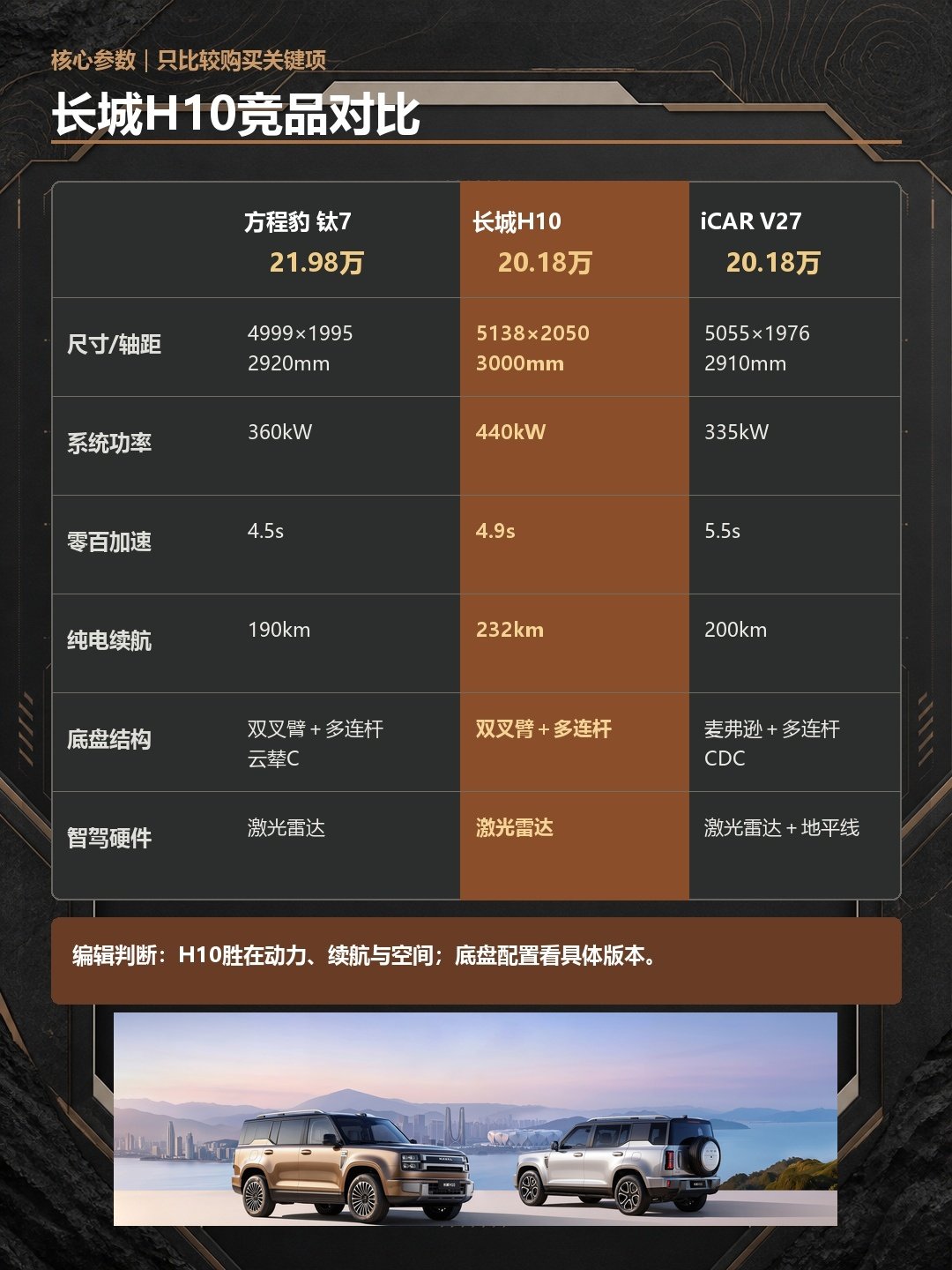
Compared with new energy boxy SUVs such as the Fangchengbao Tai 7 and iCAR V27, the H10's advantages are a 3000mm wheelbase, dual five-seat and six-seat layouts, 440kW system power, and mature family comfort configurations; its shortcomings are the parking pressure brought by a 2050mm width, and the fact that as a new model it still needs long-term verification by real owners regarding energy consumption and software experience.
If a third row is not needed, competitors' five-seat space, infotainment ecosystem, and price may be more attractive; if six seats are a firm need, the H10's choice logic is clearer. For most families, determining seating needs first, then comparing driver assistance, charging conditions, and chassis configuration, is more effective than looking first at brand or acceleration results.
Final recommendation
For a family of four, with lots of camping gear or frequent pet travel, prioritize the Hi4 Max five-seat version; for a three-generation household using the third row every week, prioritize the Hi4 Max six-seat version; if the budget is strict and six seats are an absolute must, then consider the Hi4 Pro six-seat version; only if you often drive on unpaved roads and value active suspension is it recommended to go for the Ultra.
The greatest significance of the Great Wall H10 is turning the boxy SUV from an appearance preference into a space solution that families can seriously compare. The limited-time trade-in price starting at 201,800 yuan is attractive enough, but whether it is ultimately worth buying still depends on whether you truly need its body size, six-seat capability, and four-wheel-drive system.


