I don't know why, but after the auto industry entered the new energy era, it seems to have become a kind of "political correctness" for everyone to turn up their noses at joint-venture new energy vehicles. However, as long as one has a bit of driving experience and has gotten behind the wheel of several new energy vehicles, I believe few people would deny the driving and handling performance of joint-venture new energy vehicles. In fact, as models whose basic attribute is "transportation," many joint-venture new energy vehicles, although lacking fancy features or ultra-low prices, have very strong overall strength. To put it modestly, among models at the same price and level, they can at least be defined as "remarkable"; to put it more normally, defining them as "above the average level of models at the same price and level" is not an exaggeration at all. Moreover, some joint-venture models may also have overseas market prices that would make many people's jaws drop. For example, the Mazda EZ-6 is a very good example. Its price in the European market is as high as 330,000, while in the domestic market its price is surprisingly as low as 139,800 yuan起. Do you believe such a huge contrast?
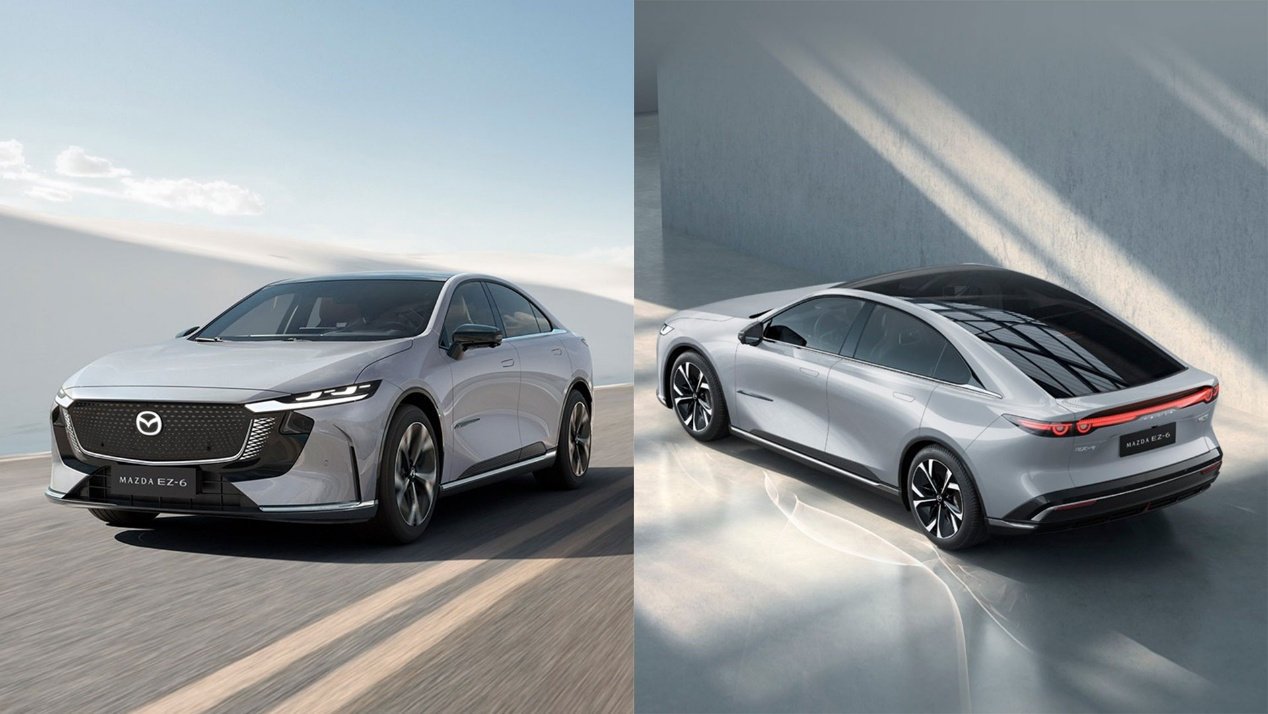
Yes, it's already 2025, and through the Mazda EZ-6, let's once again talk about the topic of "how to choose a new energy vehicle now." The direct result of such intense competition in the domestic auto market is that many consumers benefit. As a consumer, how should you make decisions when choosing a car to gain more benefits? Broaden your horizons, and you may also discover a broader universe.

Not long ago, an automotive media outlet visited Changan Mazda's Nanjing factory. Let's follow his perspective to look at the production and manufacturing process of joint-venture new energy vehicles. Centering on dimensions of public concern such as styling design, vehicle safety, powertrain, chassis materials, and precision manufacturing craftsmanship, using the Mazda EZ-6 as the blueprint, let's chat about joint-venture new energy vehicles. If you want to choose a satisfactory, reliable, and safe new energy vehicle, I believe after reading this article you will have a clearer idea, because these two elements are the eternal themes of automobile consumption.
[Styling Design Section]
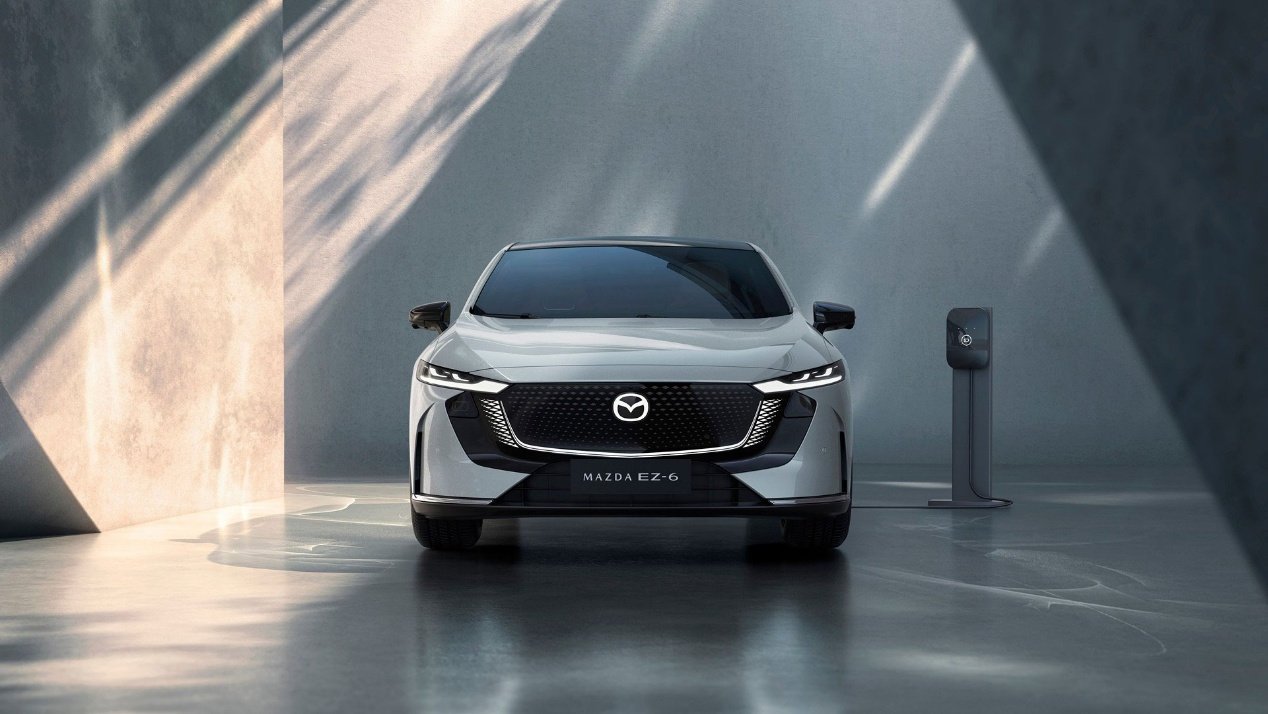
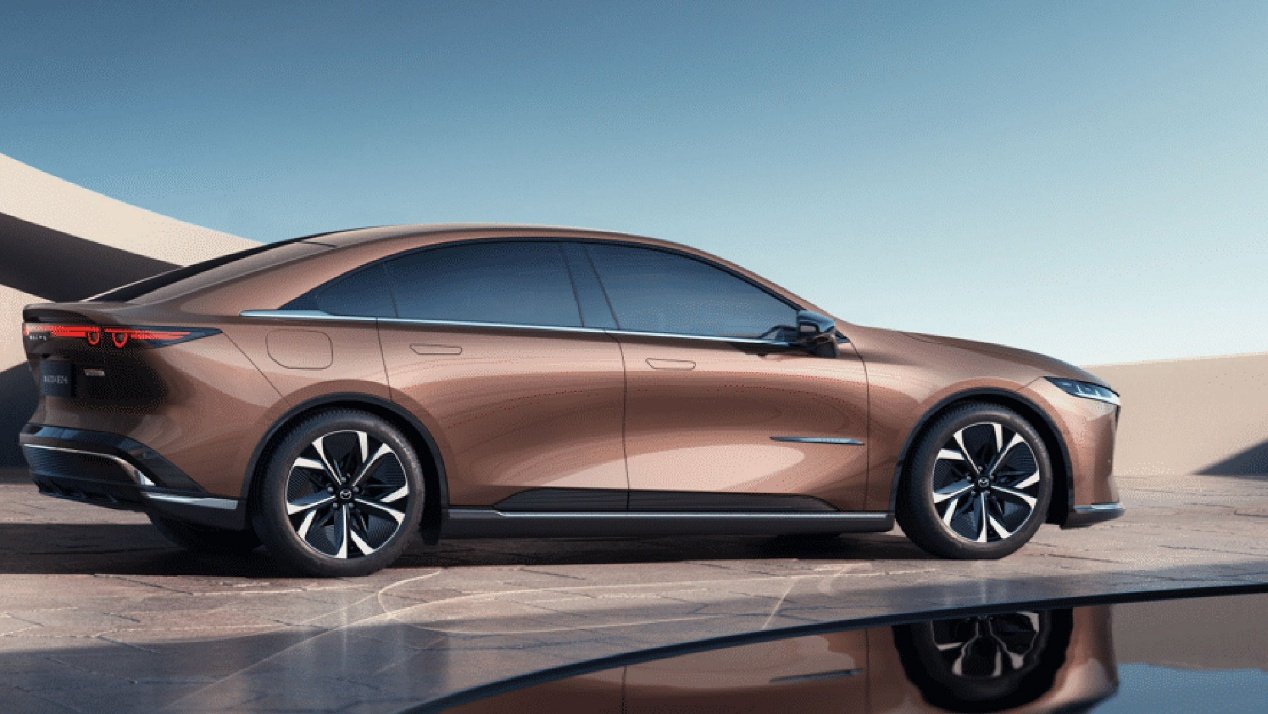
Let's first follow the host to the paint workshop, where we find that the body-in-white styling of the Mazda EZ-6 is already very beautiful. As everyone knows, "Kodo" design is Mazda's specialty in product creation. I believe most consumers with normal aesthetics would agree that Mazda models have a relatively high level of visual appeal, and the Mazda EZ-6 is certainly no exception. Even in the era of new energy electric drive, Kodo design can still inject more fashionable and trendy elements into new energy vehicles, making more consumers fall in love at first sight.
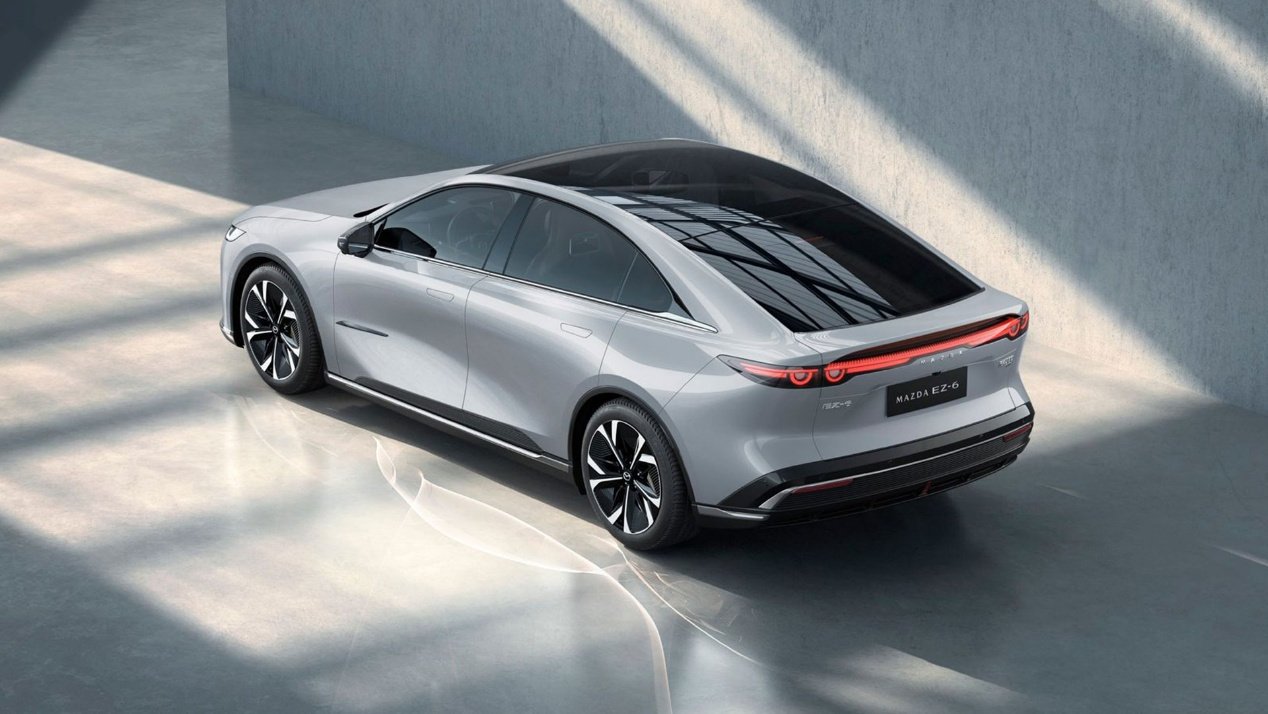
Although there is no absolute standard for a car's visual appeal, since "one man's meat is another man's poison," automotive products with a high level of design can still impress most people. The light-wing front face lamp group and the star-ring four-circle through-type LED taillight group adopted by the Mazda EZ-6 both inherit typical Mazda family characteristics and conform to the current mainstream design trend of new energy vehicles. Paired with popular elements such as frameless doors and an adaptive floating electric rear spoiler, I believe that in terms of styling design, the Mazda EZ-6 can move today's mainstream automotive consumer group. What do you think?
[Vehicle Safety Section]
In addition to discovering excellent styling design in the body-in-white, we can also see how its body safety performs. After all, the basic safety guarantee of a car is of course the "safe body," which includes a scientific and reasonable structural design, supplemented by an appropriate material mix. However, there is no need to say much about this, because those who know the Mazda brand will know that when all brands were unprepared back then, C-IASI conducted an offset crash test, and the Mazda 3 Axela performed well in the crash test. This fully demonstrates that Mazda has deep expertise in safe body design and material matching.
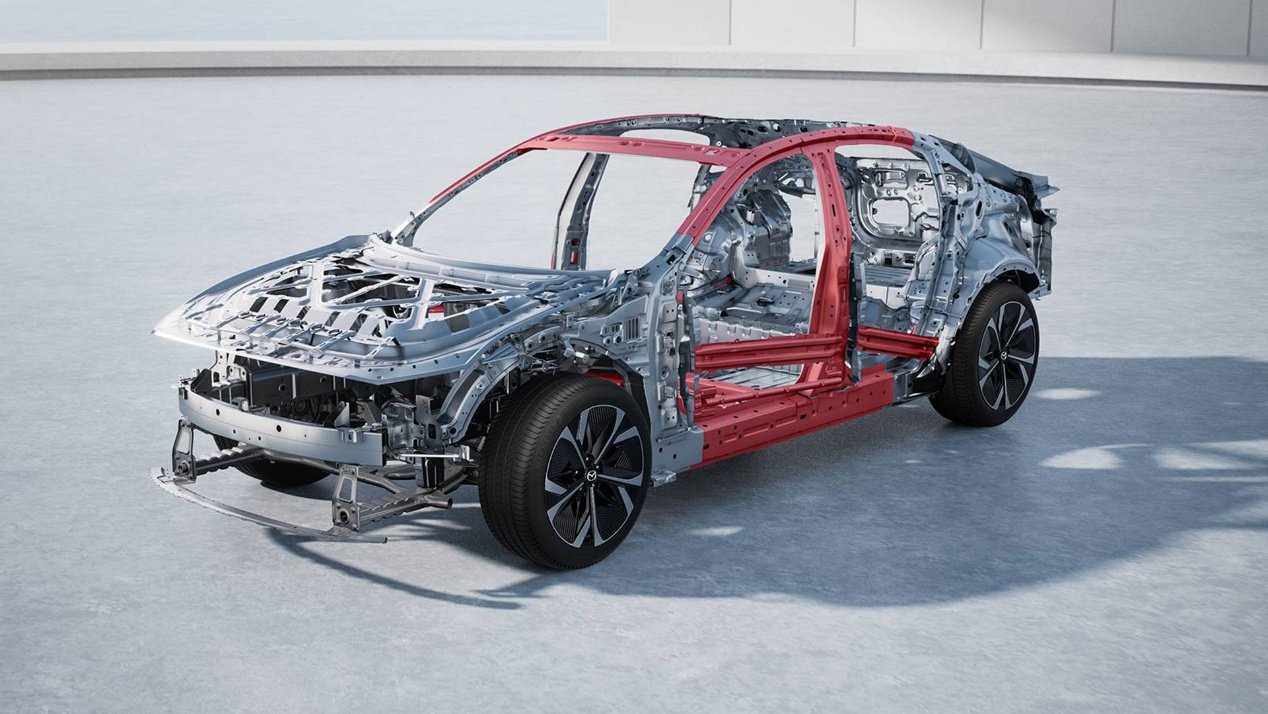
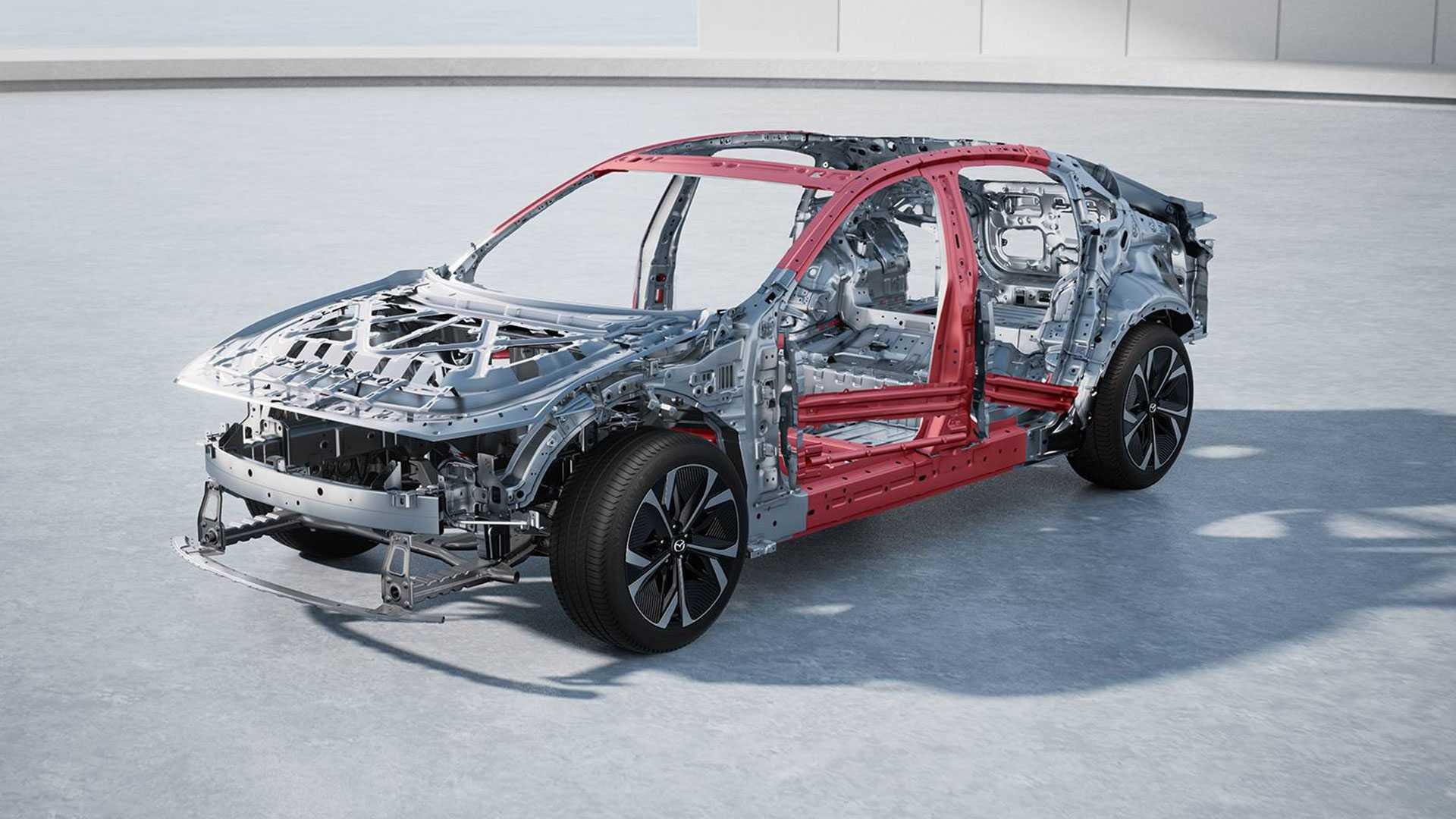
Here, using the Mazda EZ-6 body-in-white in the factory and the official website's body cutaway diagram, let's briefly analyze and comment on the visible front protection structure and side protection structure.
We can clearly see that the front protection structure includes a pedestrian anti-entrapment structure, and on the left and right sides there are longitudinal beams extending backward to form a lower force transmission path. Enlarging this cutaway diagram, the Mazda EZ-6 front subframe should be a frame structure. This design not only helps improve frontal collision protection but also helps improve front compartment stiffness and torsional rigidity, and also has a positive effect on improving vehicle driving and handling performance.
The main protection structure includes the front crash beam, energy-absorbing box, body front longitudinal beams, etc. The main protection structures of most properly designed safe bodies are basically similar.
It is particularly worth pointing out that we can see the longitudinal beam inside the Mazda EZ-6 fender extends forward and downward to connect as one with the front end of the body's front longitudinal beam. This structural design can also effectively disperse collision energy that has not been fully absorbed upward when encountering a frontal collision, thus forming an "upper force transmission path."
This upper-middle-lower three-way force transmission path can absorb more collision energy in a frontal impact, reducing the load and deformation of the passenger compartment and preserving more survival space for occupants.
The areas marked in red in the figure above generally indicate the use of high-strength steel. Let's look at the roof side rail, B-pillar, front and rear door protection bars, rocker beam, and the front floor of the passenger compartment. If the materials used in these areas are consistent, and even the front door protection structure not only has the double-hat protection bar commonly seen in European and American models but also has the tube beam commonly seen in Japanese and Korean models, this dual-protection door protection structure is rather rare. Many models use a combination of one protection bar plus one reinforcement rib. From this perspective, the Mazda EZ-6's protection design is very solid.
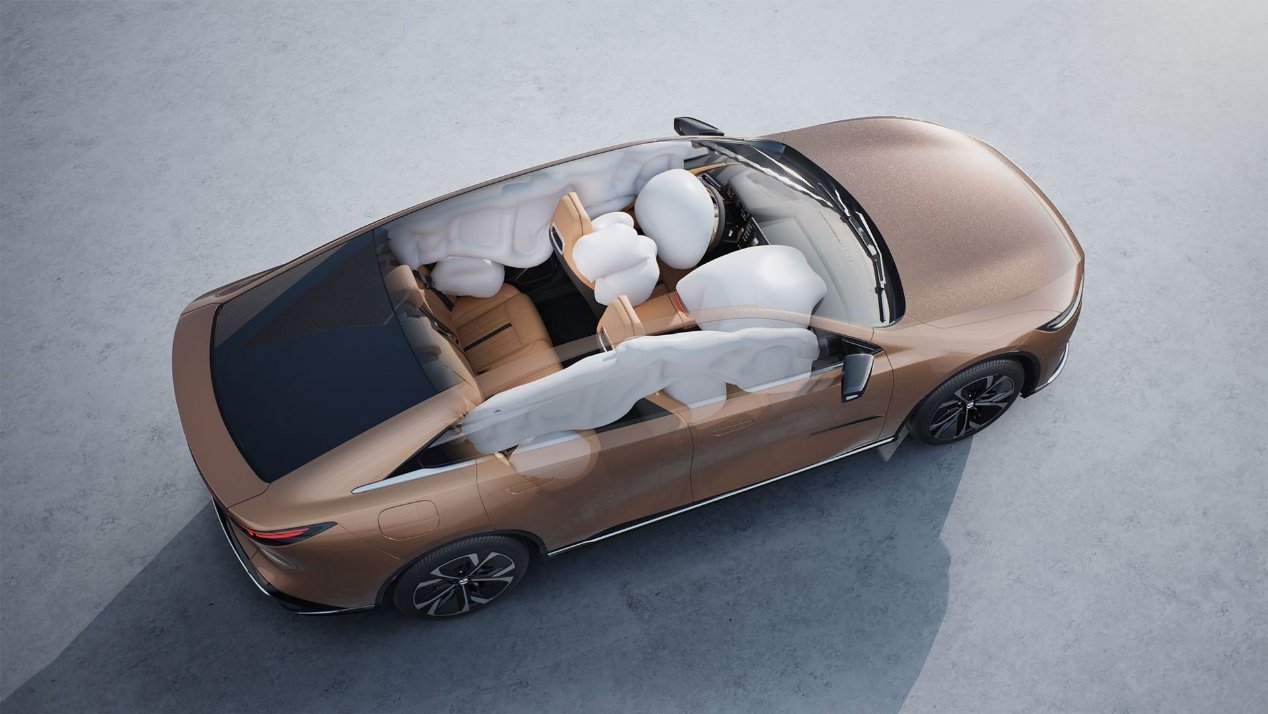
Having discussed the body-in-white, when it comes to passive safety, one must mention another protective equipment—airbags. The author checked the official configuration table of the Mazda EZ-6. If I read correctly, it comes standard across the range with 9 airbags: front dual airbags, front side airbags, rear side airbags, side curtains, and front center airbag. In terms of price, this airbag configuration is quite thoughtful.
In addition, the author particularly points out here that the vehicle restraint system is very important for driving safety. The Mazda EZ-6 comes standard across the range with a seatbelt unfastened reminder function for all seats. Reminding every occupant to use seatbelts correctly is very important, and as a driver one also has this responsibility. Only when seatbelts work together with airbags can they provide better protection for occupants in a collision. There have already been many cases of unnecessary deaths and injuries caused by not wearing seatbelts, and we should all take warning from them.
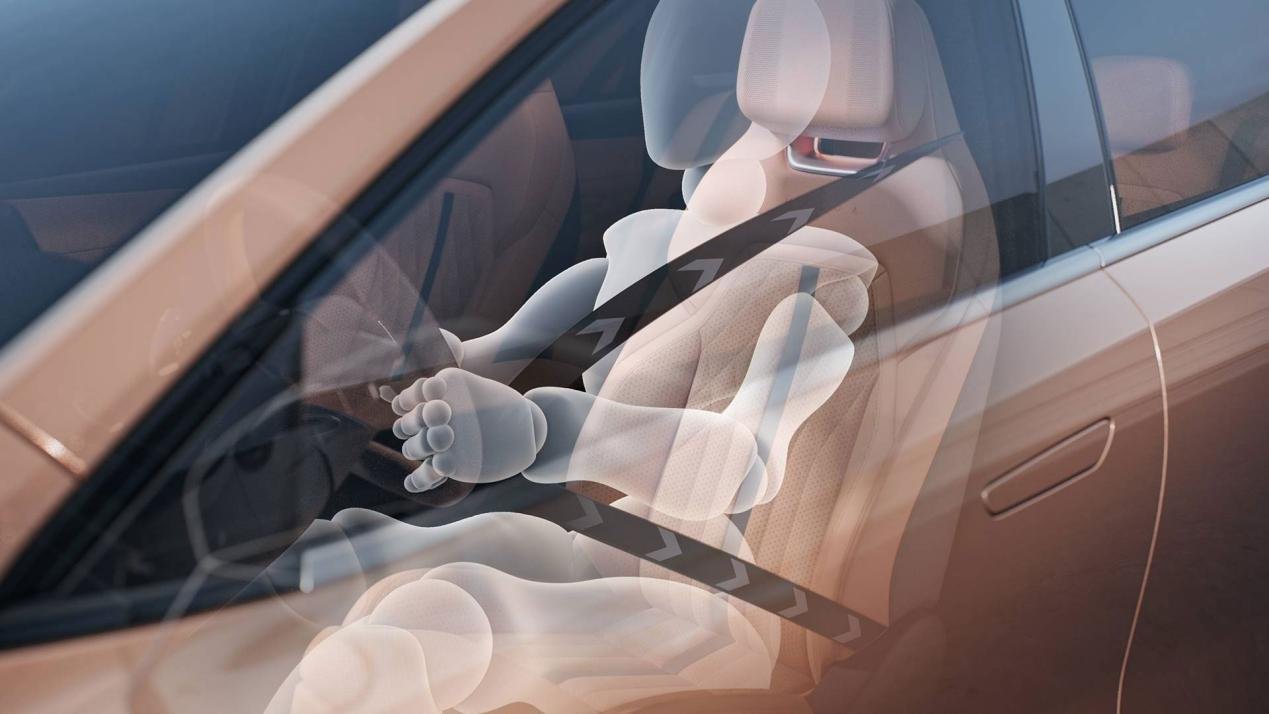
What is strange is that the official introduction of the Mazda EZ-6 mentions "dual pre-tensioning force-limiting seatbelts," but the safety configuration column in the configuration table does not seem to mention it. If such an important feature is equipped, why not tell the public? After all, "good wine fears a deep alley." Industry experts are welcome to verify. If the Mazda EZ-6 is equipped with dual pre-tensioning force-limiting seatbelts and still does not mention it, that only shows Mazda is too understated and should change.
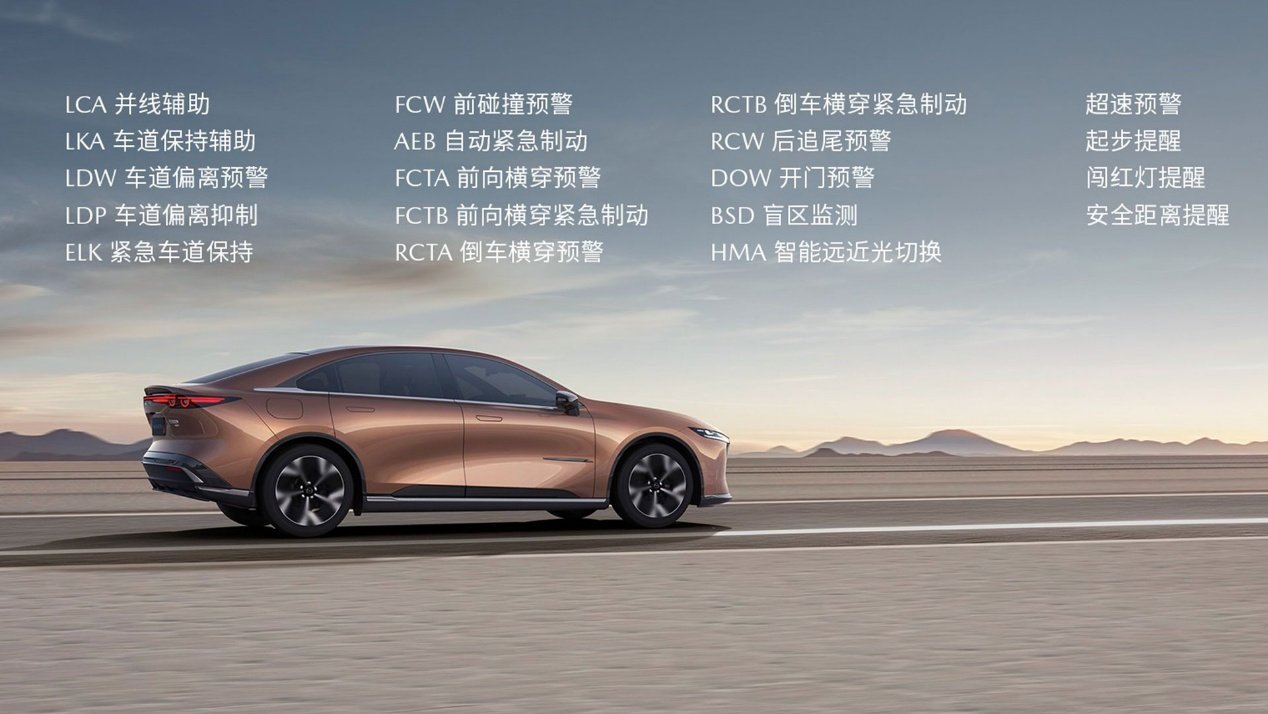
Regarding some active safety equipment now integrated into intelligent driving functions, as shown in the figure above, the author habitually prefers not to say much about this, because many brands' promotion of intelligent driving has already gone too far, and many honest people among car consumers really believe it, with plenty of cases of "hands-off use of intelligent driving." In order to make the traffic environment around us more civilized, more harmonious, and safer, the author has always emphasized that "intelligent driving can be used wisely, but must not be relied upon; driving must be focused." So I will not say more here.
[Powertrain/Chassis Section]
Arriving at the chassis installation station in the factory, regarding the Mazda EZ-6's powertrain and chassis materials, I will directly introduce them together, which is also for your easier understanding.
The Mazda EZ-6 currently offers two power forms: range-extender version and pure electric version. The range-extender version has one 130 km pure electric range variant with a power battery capacity of 18.9 kWh, and three 200 km pure electric range variants with a power battery capacity of 28.4 kWh. All four configurations use lithium iron phosphate batteries, and the 30%-80% high-efficiency charging interval takes 20 minutes for all. The four configurations have the same electric drive system, with a maximum output power of 160 kW and maximum output torque of 320 N·m.
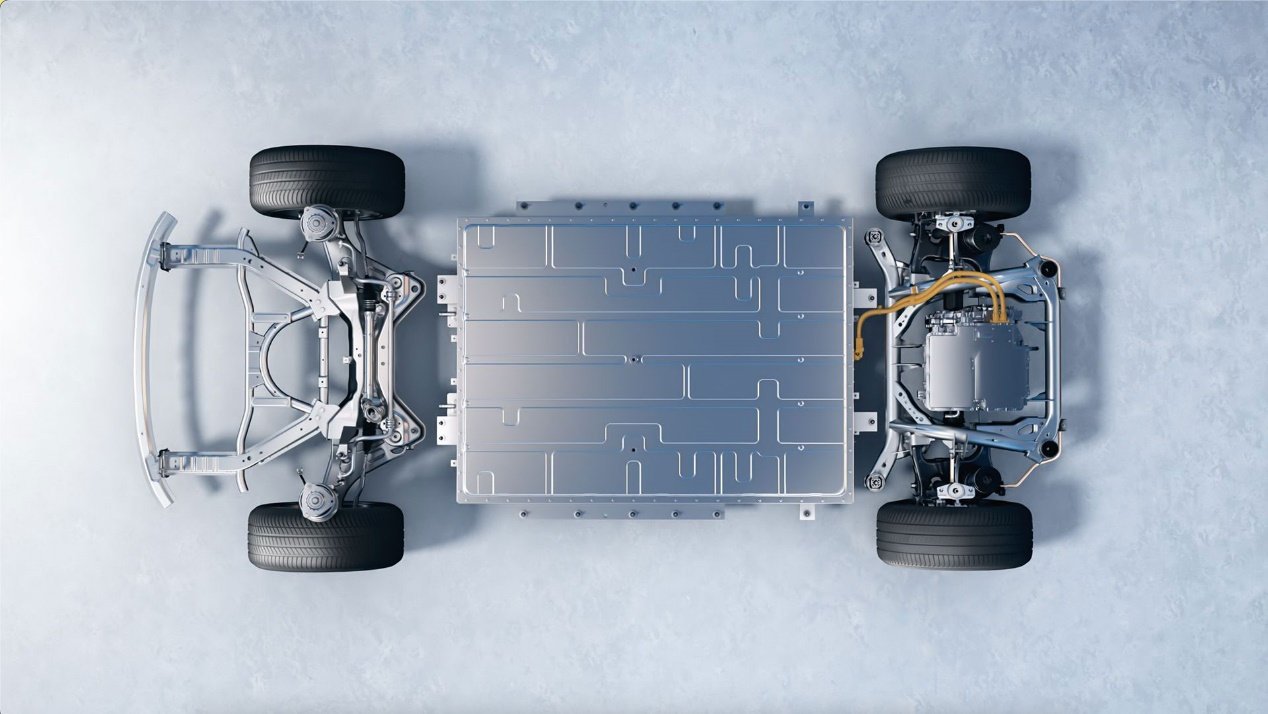
The pure electric version has three configurations: one 480 km range variant with a power battery capacity of 56.1 kWh, and two 600 km range variants with a power battery capacity of 68.8 kWh. All three configurations also use lithium iron phosphate batteries, and the 30%-80% high-efficiency charging interval takes only 15 minutes. The three configurations have the same electric drive system, with a maximum output power of 190 kW and maximum output torque of 320 N·m.
In terms of suspension system, the Mazda EZ-6 adopts a MacPherson independent front suspension and an aluminum alloy H-arm multi-link rear suspension. Those who know Mazda should not worry about the vehicle's dynamic performance.
As shown in the figure above, the Mazda EZ-6 front subframe is confirmed to be a frame structure, and the rear subframe is also a closed frame structure. The front and rear subframes respectively improve the stiffness and torsional rigidity of the vehicle's front and rear compartments. At the same time, when encountering front or rear impacts, they also help disperse collision energy downward along the force transmission path, effectively reducing passenger compartment deformation.
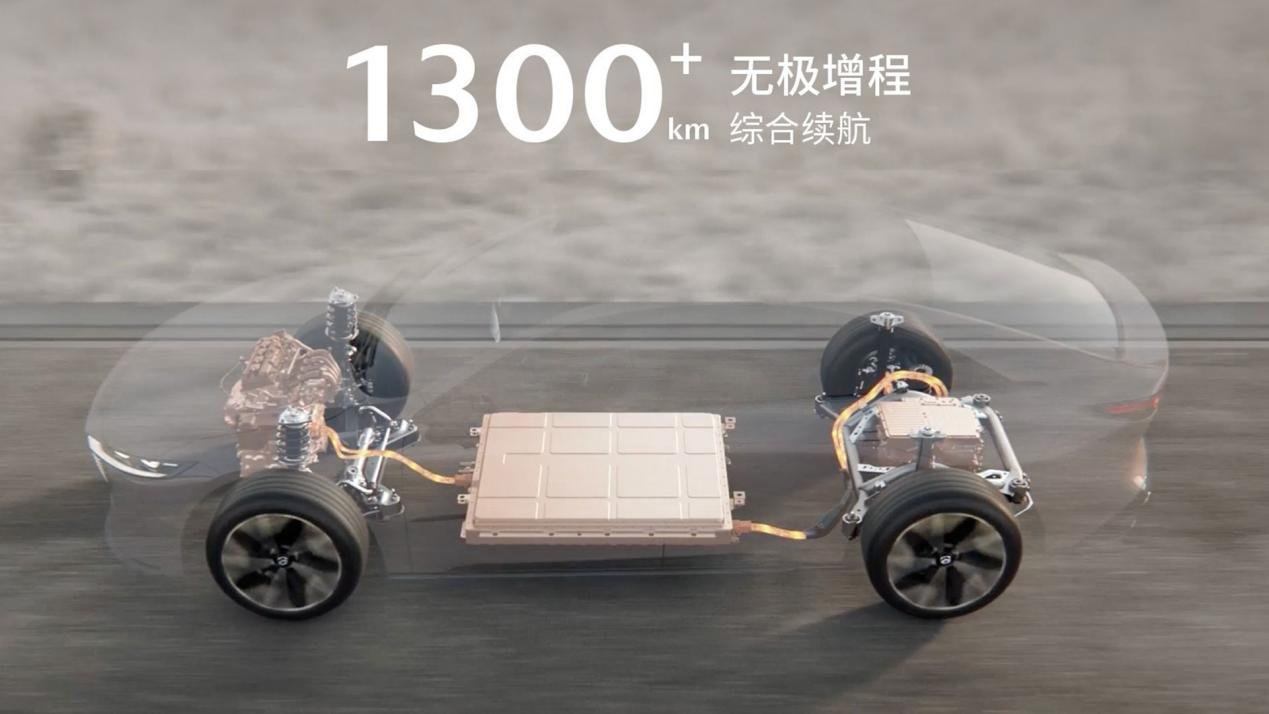
Seeing this, some eager car enthusiasts may raise the "range-extender vs. plug-in hybrid debate." However, competition among technical routes is ultimately empty talk. For consumers, "experience" is more important. On the one hand is the level of powertrain tuning, that is, whether acceleration is smooth; on the other hand is energy consumption performance, namely electricity consumption and depleted-battery energy consumption. Currently, for models at the same level using plug-in hybrid/range-extender technologies, first of all, their energy consumption performance is basically close. In terms of smoothness, because range-extender models are purely electrically driven, their smoothness equals that of pure electric models, giving them a theoretical inherent advantage. However, many plug-in hybrid models are now tuned quite maturely, and under normal driving their acceleration smoothness can also be defined as silky smooth. So if you are really choosing a car, there is no need to fuss over "plug-in hybrid or range-extender." The author believes these discussions are just idle chatter and of little reference value for consumers choosing a car.
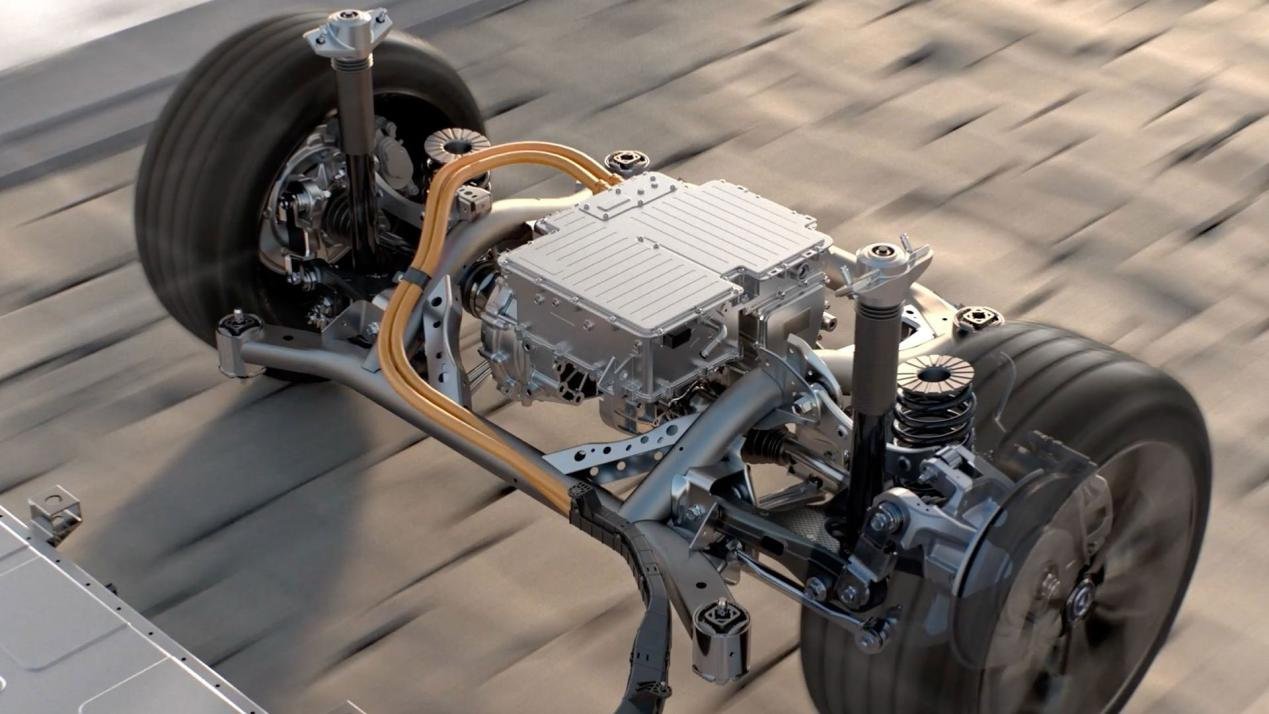
After cars entered the new energy era, the dynamic performance of most vehicles has actually improved. First, placing the power battery under the passenger compartment further lowers the vehicle's center of gravity and also helps tune a better front-to-rear axle load ratio. Second, the power battery pack itself can also become a "reinforcing structure" for the passenger compartment area. The improvement in passenger compartment stiffness and torsional rigidity also has a positive effect on improving the vehicle's overall driving and handling performance.
However, vehicle dynamic performance is a matter of personal preference. The author believes that although the Mazda EZ-6's dynamic performance is indeed good, if you are interested in it, you should still test drive it yourself. As long as you have a little driving experience, you should be able to feel the driving charm of "Jinba Ittai," which Mazda upholds. If you are a novice and think you cannot tell from a test drive, then for now just believe without hesitation in "Mazda, the old driver."
[Features and Configuration Section]
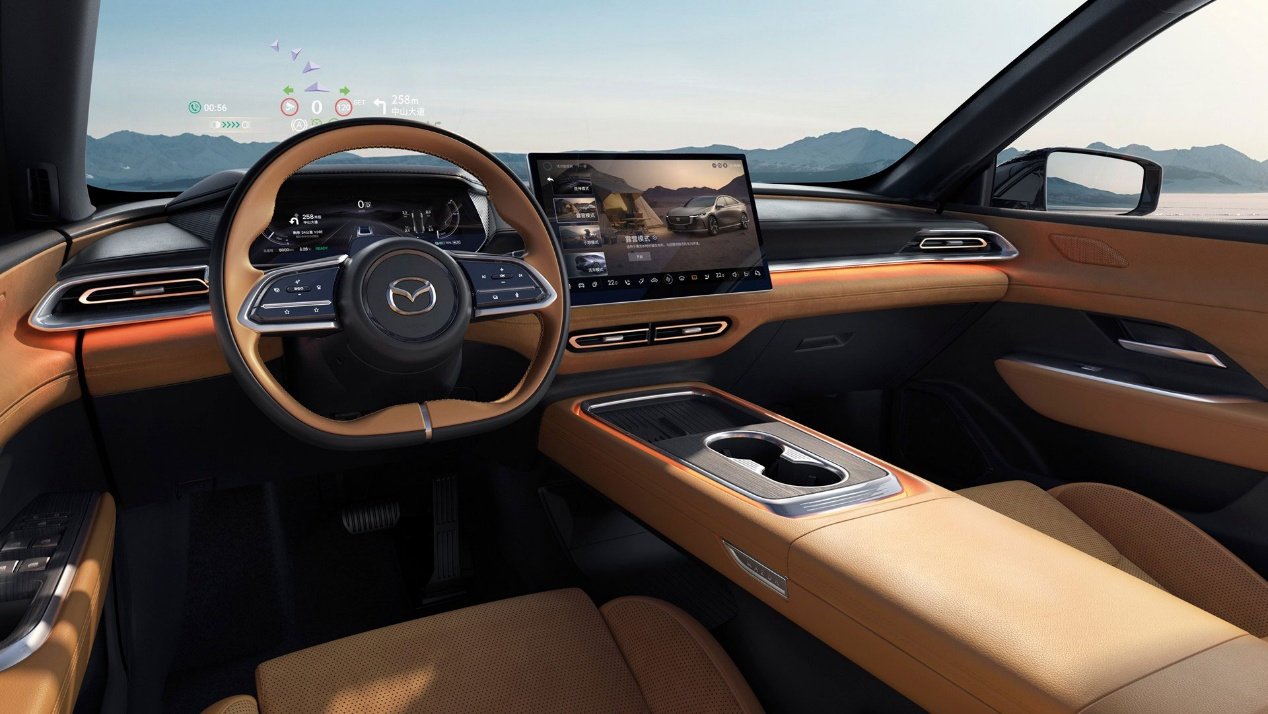
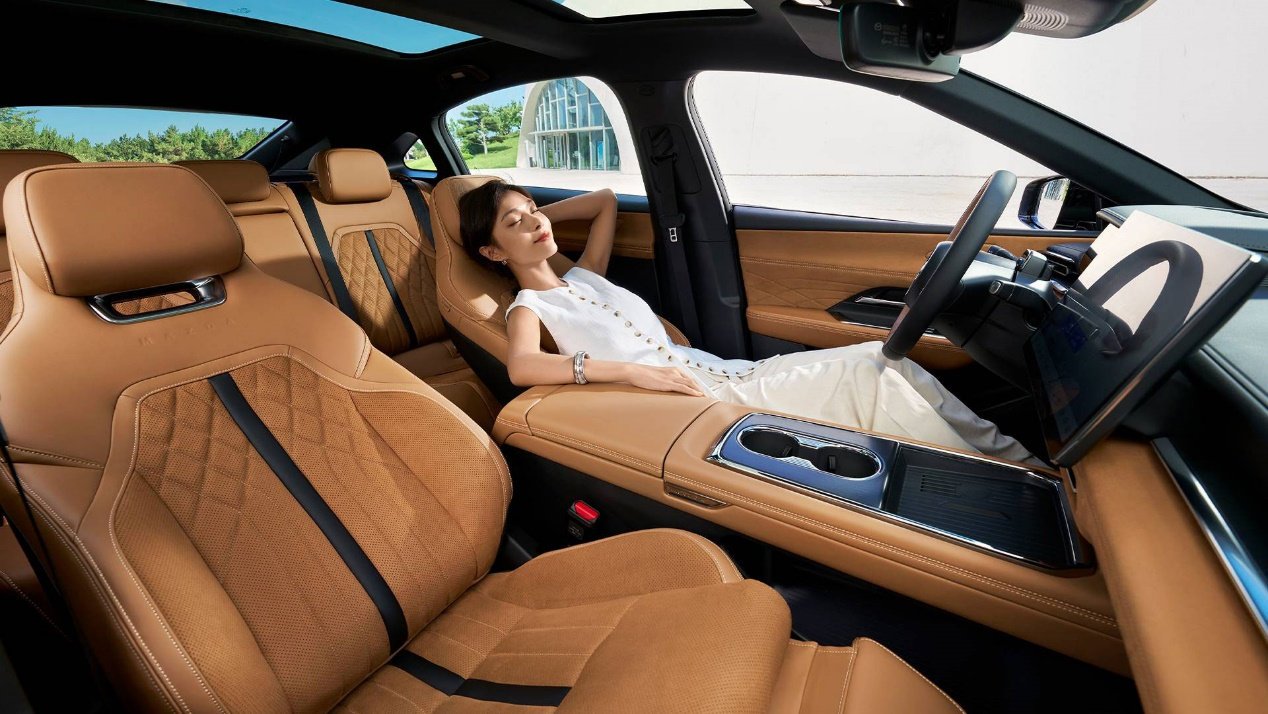
I believe many people care more about vehicle features and configurations than power, space, and so on. On the interior final assembly line, we saw the interior design of the Mazda EZ-6. According to the staff introduction, its functional configuration has caught up with domestic new force automakers. Whether it is the intelligent cockpit or the intelligent driving system, if you have time, experience it and you will understand.
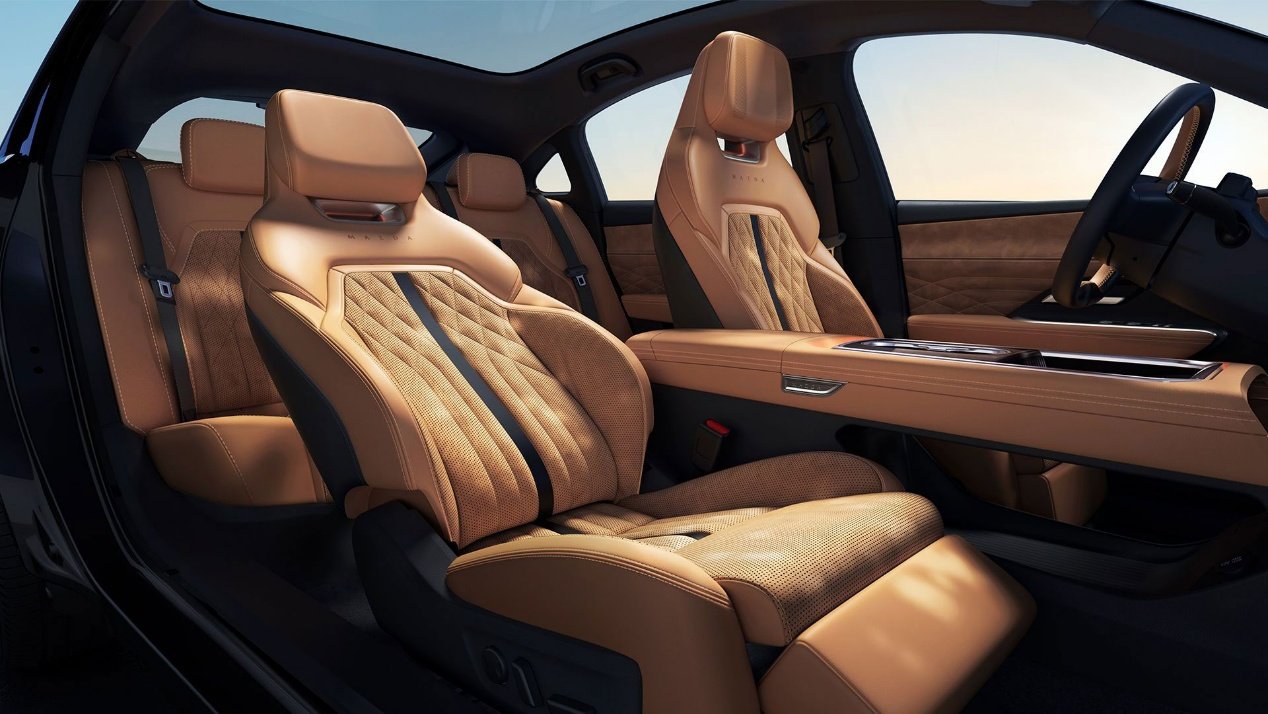

Regarding the vehicle's spatial performance and Mazda's changes, the two figures above are enough to explain the issue. The Mazda EZ-6 has body dimensions of 4921 mm × 1890 mm × 1485 mm and a wheelbase of 2895 mm. Combined with the model display and queen passenger seat in the figures above, I believe you can imagine that its spatial performance is quite spacious and comfortable.
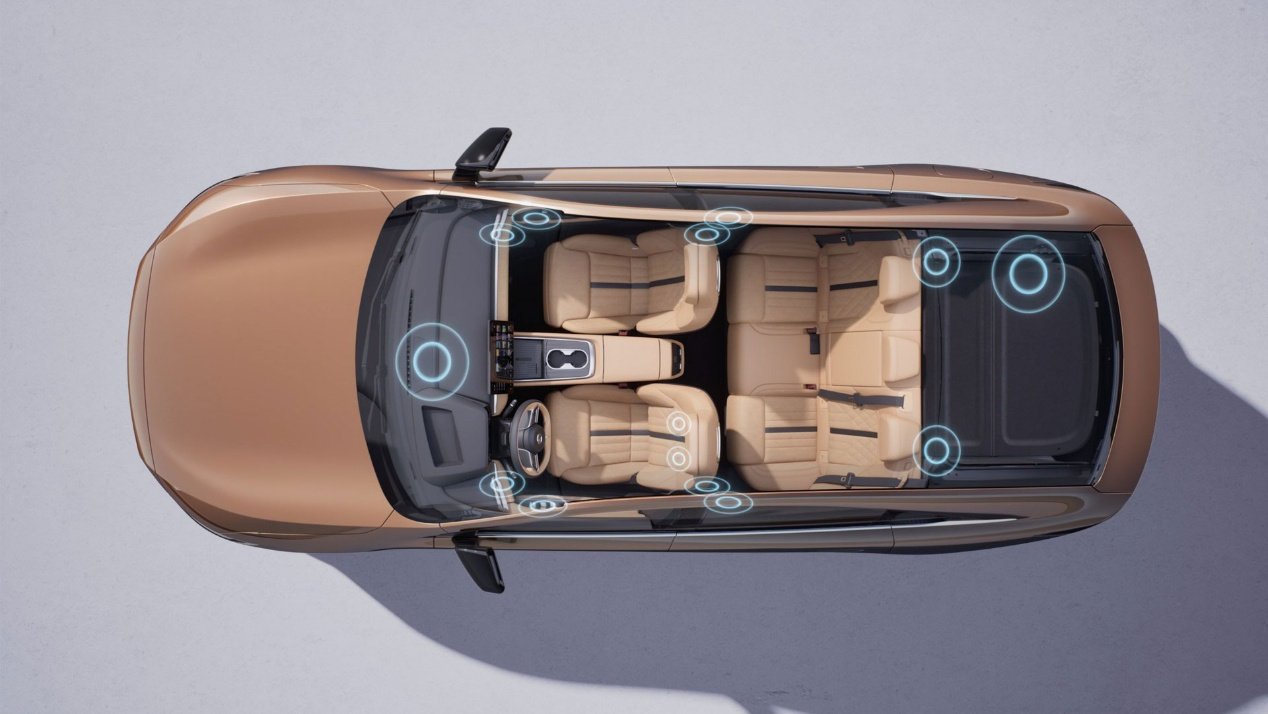
In terms of infotainment and audio, the Mazda EZ-6 uses the Qualcomm Snapdragon 8155 chip, with a 10.1-inch instrument panel plus a 14.6-inch central control screen. Measured by price, this is a quite mainstream combination.
The entire range comes standard with 6 speakers and audio, while the top trim is equipped with a Sony 14-speaker luxury audio system. The entire range comes standard with Hi MAZDA four-zone intelligent voice recognition. Its performance in human-vehicle interaction and phone-car connectivity can also be considered remarkable.
In addition, the Mazda EZ-6 is also equipped with a 3.3 kW external discharge function, which can meet the vehicle needs of camping enthusiasts for occasional camping and outdoor cooking.
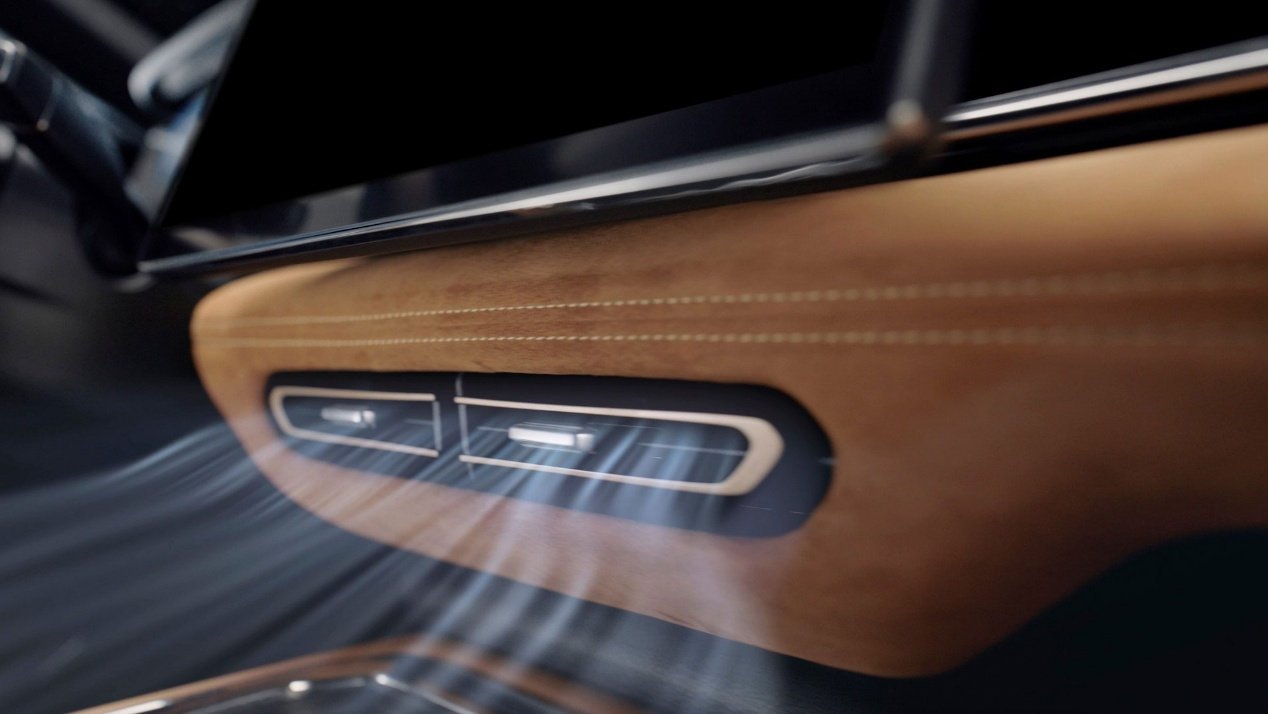
For the respiratory health of occupants, the Mazda EZ-6 comes standard across the range with dual-zone automatic constant-temperature air conditioning, rear air vents/temperature and fan speed adjustment, and a PM2.5 air conditioning filter. Higher trims are also equipped with PM2.5 monitoring and a negative ion air purifier, bringing a healthier and fresher riding environment for occupants.
Conclusion:
The Mazda EZ-6 is a global model, and it is built at Changan Mazda's Nanjing factory, which has introduced Mazda's advanced production and manufacturing technology and craftsmanship. So if you want to choose a new energy vehicle now, it's already 2025. Put down past prejudices and take the time to experience joint-venture new energy vehicles with an open mind. At the very least, the dynamic performance and overall strength of the Mazda EZ-6 may exceed your expectations.
As a new energy vehicle, the Mazda EZ-6 can be defined as "performing quite excellently," and now the price is so suitable. The range-extender version is priced from 139,800 to 169,800 yuan, and the pure electric version is priced from 159,800 to 179,800 yuan. There is now also a national subsidy of 20,000 for scrapping and replacing, a factory subsidy of 15,000, a 5,000 cash insurance subsidy, and for designated models an additional separate subsidy of 5,000 offsetting 10,000. There is also a maximum 100,000 6-year 0-interest policy, and it also comes with a "0 combustion rights and interests" package worth nearly 8,000. Moreover, the 0 combustion rights and interests are not limited to the owner and not limited by mileage, so when you sell it in the future it will also hold value better than those models that "only provide warranty to the first owner." Don't you agree?
Note: The images in the text are from the internet and will be deleted if infringing! Written impromptu without review; please forgive any errors or omissions!


